Everything You Need To Know About Window Tinting In Apache Junction – A Comprehensive Guide
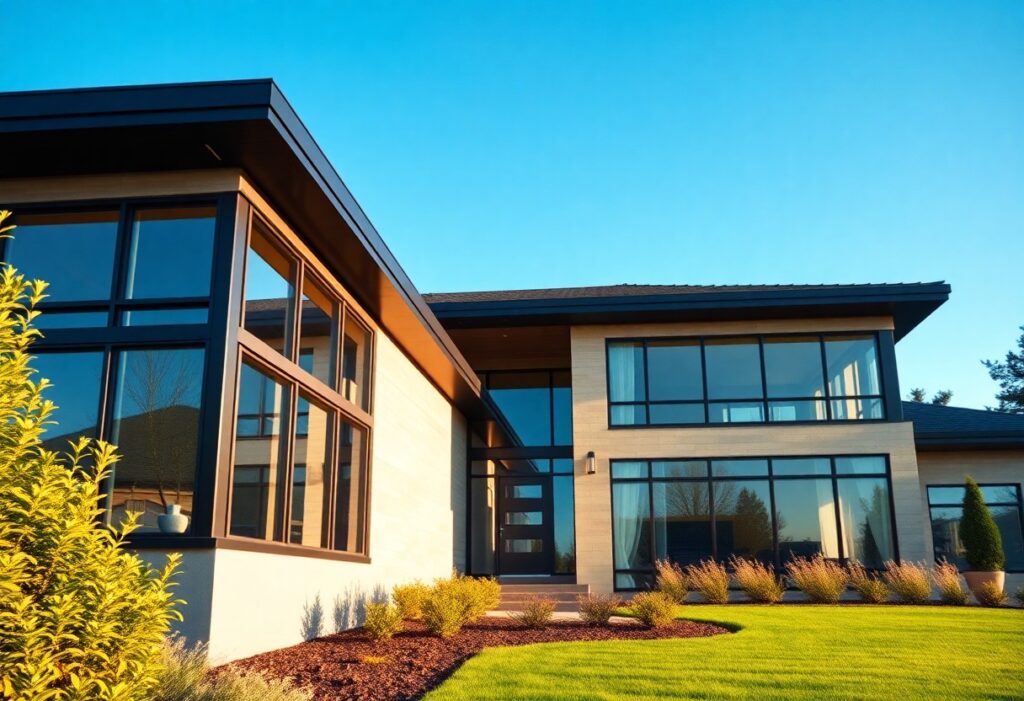
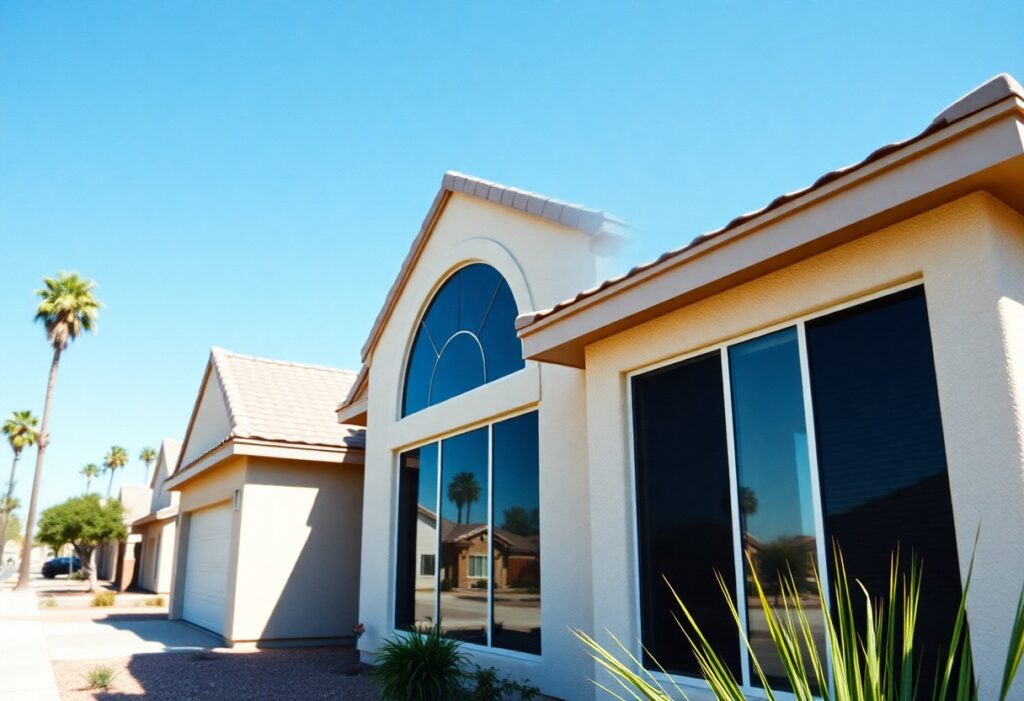
There’s a lot to consider when it comes to window tinting in Apache Junction, and this comprehensive guide will provide you with all the vital information you need. From understanding the benefits of window tinting for your vehicle or home to navigating local regulations and choosing the right materials, we’ve got you covered. Whether you’re looking to enhance privacy, improve energy efficiency, or protect your interiors from harmful UV rays, this guide will help you make informed decisions that suit your needs. The Art and Science of Window Tinting Window tinting blends artistry with scientific principles to create functional and visually appealing solutions for your home or vehicle. The variety of tint films available allows you to customize your space while reaping benefits like energy savings, privacy, and UV protection. Each tint serves a unique purpose, catering to personal preferences and specific climate conditions, ensuring you get optimal performance and style. The Physics of Light and Heat Control Understanding how light and heat interact with your windows unveils the science behind effective window tinting. Tints can filter out harmful UV rays and control the amount of infrared heat that enters your space, reducing reliance on air conditioning systems. By blocking up to 99% of harmful rays, window films maintain the integrity of your furnishings and dramatically improve indoor comfort. The Aesthetics of Tinting: Enhancing Curb Appeal Enhancing curb appeal through window tinting adds a sophisticated touch to your property while setting it apart in your neighborhood. Various tint shades work harmoniously with your exterior design, complementing architectural styles and personal tastes. Investing in quality tint not only elevates the visual appeal but can also increase your property’s value, making it an attractive choice for homeowners. Tinting is not merely about reducing glare or keeping your space cool; it’s also an expression of your style. For example, a sleek dark tint can give your home an elegant, modern look, while lighter shades can maintain an airy feel while still providing privacy. With options like mirrored and decorative films, you create a unique aesthetic tailored to your vision. Your choice in window tinting can transform your home’s exterior, reflecting your personality while enhancing its overall appeal. Navigating Local Regulations and Compliance Understanding local regulations is vital to ensuring your window tinting project adheres to legal standards. Apache Junction has specific laws governing tint darkness, reflectivity, and other aspects. Being well-versed in these rules not only guarantees compliance but can also prevent costly fines and the need for removal or adjustment of your tint. Understanding Apache Junction’s Tinting Laws Apache Junction’s window tinting laws dictate how dark your tints can be on different types of windows. For example, the front windshield must allow more than 33% of light in, while side and rear windows have more lenient limitations. Familiarizing yourself with these laws before installation ensures that your vehicle remains legal on the road. Applying for Permits: What You Need to Know Before proceeding with window tinting in Apache Junction, you may need to apply for the necessary permits. This requirement can vary based on the extent of your tinting project, particularly if you plan to cover a substantial area or if you’re using specialized materials. Collect the appropriate documentation, and check with local authorities to ensure a smooth application process. To apply for permits, gather imperative information such as proof of ownership, details of the window tinting materials you plan to use, and possibly even samples. The Apache Junction city website can provide guidance on any specific forms required and the office to submit your application. Processing time might vary, so plan your project timelines accordingly to avoid unexpected delays. By being prepared, you ensure compliance and ease the installation process. Choosing the Right Tint: Factors to Consider Selecting the appropriate window tint for your vehicle involves several considerations. Factors such as legal regulations, tinting percentage, and your personal preferences will impact your choice. Evaluate what’s most important for you—whether it’s aesthetics, privacy, or heat rejection—taking your vehicle’s usage into account. Additionally, checking local laws regarding tint darkness and reflectivity can help you avoid any legal complications. Any decision should balance your needs with these vital aspects. Legal restrictions based on state regulations Tint percentage and its effect on light visibility Desired heat rejection and UV protection levels Personal aesthetics and vehicle compatibility Your budget and installation service options Evaluating Performance: UV Protection vs. Visibility Understanding how UV protection influences visibility is key to making an informed choice. Tints that block a high percentage of UV rays often come in varying shades, affecting how much light gets through. You’ll want to balance these features; a darker tint provides better UV protection but may limit visibility. Look for options that provide excellent UV resistance while still allowing enough light for safe driving. Material Matters: Film Types and Durability The type of tint film you choose can significantly impact both performance and longevity. There are several options available, such as dyed, metalized, ceramic, and hybrid films. Each type offers varying levels of heat rejection, UV protection, and durability. Consider how long you plan to keep your vehicle when selecting a film, as costlier ceramic films, for example, tend to last longer than dyed ones. This choice will ultimately affect how well the tint holds up in harsh weather conditions. Film Type Durability Dyed Film 3-5 years Metalized Film 5-10 years Ceramic Film 10-15 years Hybrid Film 5-12 years Carbon Film 5-10 years A higher quality film enhances performance Choose between different heat rejection properties Evaluate long-term cost vs. initial investment Understanding warranty options available Check for manufacturer reviews and testimonials When considering material matters, each film type has unique properties that cater to diverse consumer needs. Dyed films tend to be the most affordable but have shorter lifespans and limited heat rejection. Metalized films offer excellent durability and heat rejection, making them a popular choice. Ceramic films provide the best performance overall, particularly for heat reduction, but come with a higher price tag.