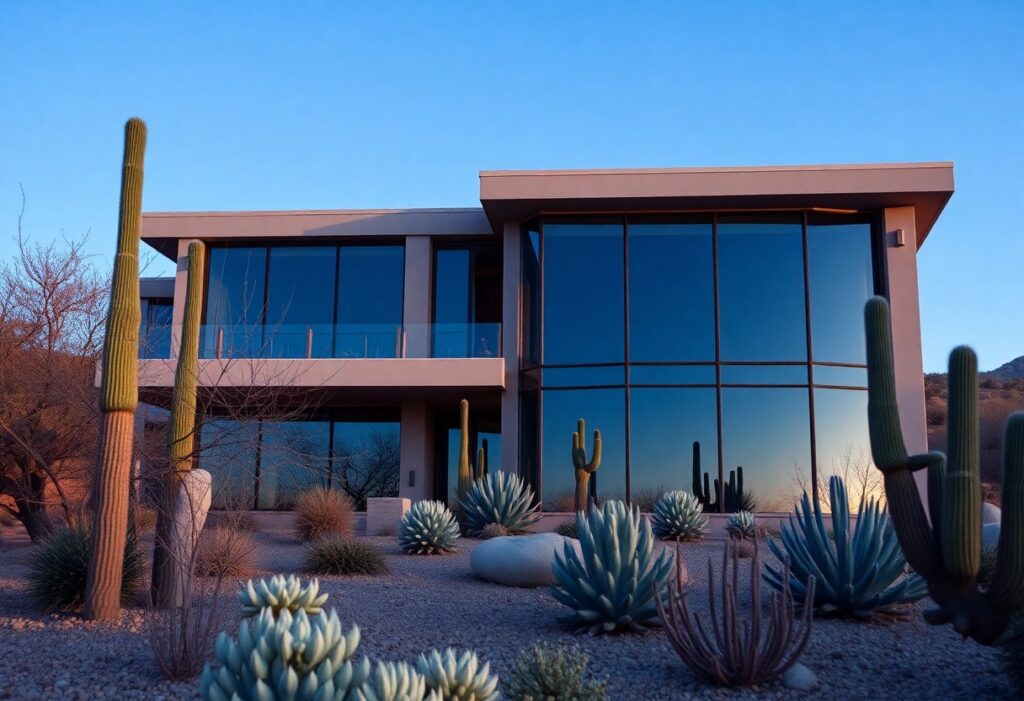

A Guide To Commercial Window Tinting In Arlington – Boosting Energy Efficiency And Comfort
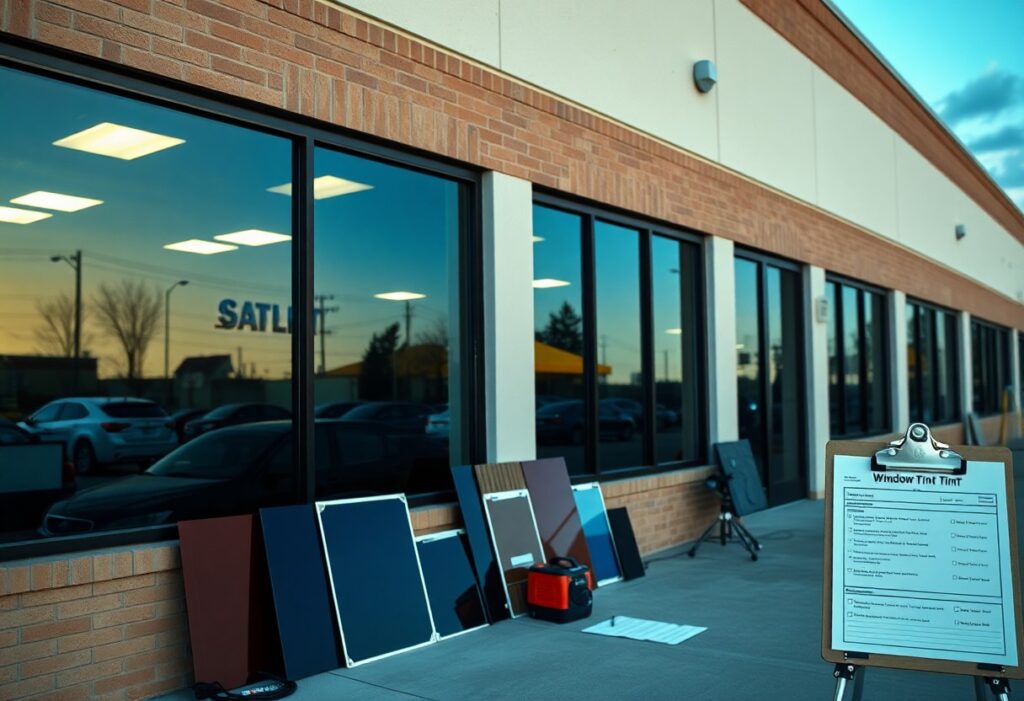
This guide will provide you with valuable insights into commercial window tinting in Arlington, emphasizing how it can enhance energy efficiency and comfort in your workspace. By understanding the benefits of window tinting, you can make informed decisions that lead to reduced energy costs and a more pleasant indoor environment. Explore the various options available, learn about installation processes, and discover how tinted windows can transform your commercial space for the better. Types of Commercial Window Tinting For your commercial space, selecting the appropriate window tinting type is necessary for enhancing energy efficiency and comfort. Various tinting options cater to different needs and aesthetic preferences: Dyed Film Metalized Film Ceramic Film Low-E Film Security Film The right choice can profoundly impact your energy savings and interior comfort. Tint Type Features Dyed Film Cost-effective, offers privacy Metalized Film Durable, enhances glare reduction Ceramic Film UV protection, low reflectivity Low-E Film Energy-efficient, minimizes heat transfer Security Film Increases shatter resistance, protects against break-ins Different Tinting Options Options for window tinting vary, providing you with flexibility to select the best fit for your commercial space. Depending on your specific goals, choosing between dyed, metalized, ceramic, low-E, or security films will help in achieving desired energy savings and comfort levels. Specialty and Reflective Films One option to consider is specialty and reflective films, which not only enhance the aesthetic appeal of your building but also contribute to energy efficiency. They come in a variety of styles, including mirrored finishes that reflect heat away from your premises. Types of specialty and reflective films cater to different functionalities—such as heat reduction or glare control—allowing you to create an optimal indoor environment. By choosing the right film, you can significantly reduce your energy costs while improving the overall comfort of your workspace. Benefits of Window Tinting If you’re considering commercial window tinting, you’ll discover several benefits that can significantly enhance your workspace. By investing in window film, you can improve energy efficiency, reduce glare, and create a more comfortable environment for both employees and clients. This simple upgrade offers not only immediate comfort but also long-term financial savings and aesthetic appeal to your property. Energy Efficiency There’s no doubt that window tinting plays a vital role in improving energy efficiency for your commercial space. By reducing the amount of solar heat that enters through your windows, tinted film helps regulate indoor temperatures. This means your heating and cooling systems won’t have to work as hard, leading to lower utility bills and a smaller carbon footprint. Enhanced Comfort While window tinting helps control energy costs, it also significantly enhances comfort in your workspace. With reduced glare and a more consistent indoor temperature, you and your employees can focus better without the distractions of harsh sunlight or fluctuating temperatures. Understanding how window tinting fosters enhanced comfort is vital in creating a productive workspace. By minimizing glare on computer screens and bright overhead lights, you reduce eye strain and improve overall concentration. Additionally, the ability to maintain a stable indoor temperature ensures that employees stay comfortable throughout the day, which can lead to increased productivity and satisfaction in their work environment. Tips for Choosing the Right Tint While selecting the right window tint for your commercial space, consider the following tips: Evaluate the level of sunlight your building receives. Determine the privacy needs of your tenants and employees. Choose a film that complements your building’s aesthetic. Look into films that offer UV protection and glare reduction. The right choice can enhance both comfort and energy efficiency in your workspace. Understanding Local Regulations Little attention to local tinting regulations can lead to compliance issues later. Each state or city may have specific laws regarding the allowable tint percentage or reflectiveness that can affect the aesthetic of your building as well as your energy efficiency initiatives. It’s best to consult with local authorities or a professional before proceeding. Assessing Your Building’s Needs Local climate, building orientation, and the type of activities carried out in your space play a significant role in determining what type of window tinting is best for you. Take time to evaluate how these factors impact temperature control, glare, and overall comfort for occupants in your building. A thorough assessment will help you identify areas of improvement, ensuring that your chosen window tinting solution effectively addresses your specific needs. Understanding how sunlight affects different areas of your property allows you to opt for the right shading and thermal performance, enhancing energy efficiency while providing a comfortable working environment for everyone. Consider conducting an energy audit or consulting with an expert to clarify your building’s unique requirements. Step-by-Step Installation Process Keep the installation of commercial window tinting straightforward by following a structured approach. The process includes preparation, application, and finishing touches, ensuring a smooth experience and enhancing your building’s energy efficiency. Installation Workflow Step 1: Preparation and Cleaning Thoroughly clean windows to ensure proper adhesion. Step 2: Measuring and Cutting Accurately measure window dimensions and cut the film accordingly. Step 3: Application Apply the film using proper techniques for a seamless finish. Step 4: Final Touches Trim excess film and check for bubbles or imperfections. Preparation and Cleaning One of the first steps is to ensure your windows are clean and free from any debris. You should use a non-ammonia-based cleaner for optimal results, thoroughly washing and drying the surface to achieve the best adhesion for the tinting film. Application Techniques The application process involves several techniques to ensure a durable and effective installation. You should spray a solution on the window surface to facilitate smoother application and minimize bubbles. For instance, start from one side of the window, gently applying the film and using a squeegee to push out air bubbles. This technique helps to achieve a tight seal, ensuring longevity and effectiveness. Taking your time during this step is important to avoid wrinkles or imperfections that could affect the aesthetic and performance of the window tint. Factors to Consider Before Tinting Not every tint solution suits all