
There’s a clear choice between window tinting and full replacement for Phoenix homes, and you should weigh heat reduction, cost, longevity, and energy savings to decide which best fits your needs.
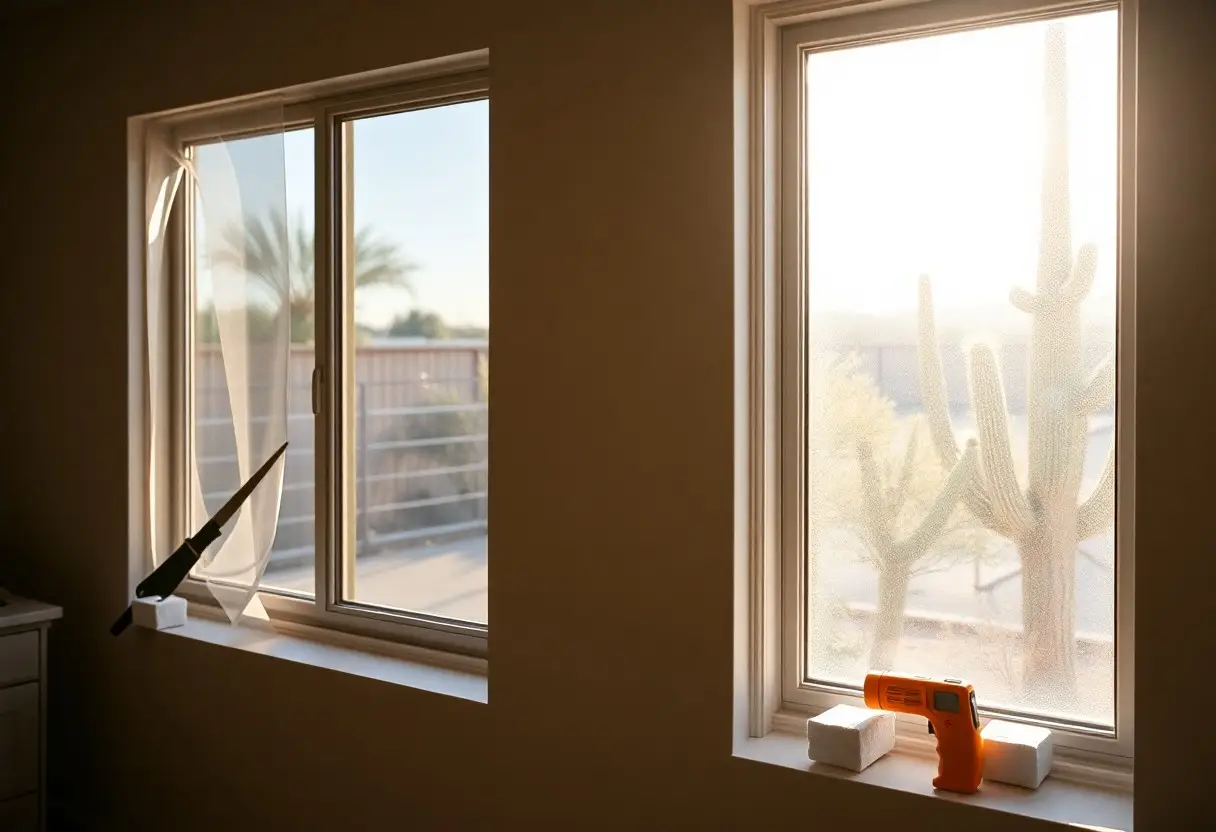
The Impact of the Phoenix Climate on Residential Windows
Phoenix summers accelerate glass wear and drive high heat transfer through windows, so you must weigh tinting versus replacement based on durability, long-term energy savings, and UV control.
Mitigating Extreme Solar Heat Gain and UV Exposure
Tinting reduces solar heat and UV infiltration, helping you keep interiors cooler and protect furnishings, but you should compare film performance, installation quality, and warranty against new glass advantages.
How Intense Sunlight Affects Interior Cooling Costs
Direct sunlight raises your cooling load and spikes energy bills during summer, making window performance a primary factor in HVAC runtime and monthly costs.
When you choose low-e or spectrally selective coatings, or opt for full window replacement with insulated frames, you can lower solar heat gain 30-50%, reducing AC runtime; tinting offers faster payback but replacement improves airtightness, comfort, and resale value-factor your local utility rates and installation quality when deciding.
Advantages of Professional Window Tinting
Professional window tinting gives you long-term energy savings, strong UV protection, and added privacy without the higher cost of full window replacement.
Immediate Heat Rejection and Glare Reduction
Tinting rejects solar heat so you feel cooler and glare drops, improving comfort and screen visibility during harsh Phoenix afternoons and reducing HVAC strain.
Protecting Interior Furnishings from Sun Damage
Your furnishings stay vibrant longer because tint blocks harmful UV, preventing fading to upholstery, carpets, and artwork so you delay costly replacements.
Blocking up to 99% of UV, high-quality films slow photochemical degradation, helping wood floors, fabrics, and finishes retain color and finish so you save on refinishing and replacement.
Evaluating High-Performance Window Replacement
High-performance windows give you measurable energy savings and superior UV blocking, cutting cooling bills in Phoenix while preserving interior finishes and improving daylighting without costly maintenance.
Enhancing Thermal Insulation and Structural Integrity
Upgrading to insulated frames and low-E glass lets you reduce heat transfer, lower HVAC runtime, and strengthen window assemblies so you feel fewer drafts and better indoor comfort year-round.
Long-term Impact on Residential Property Value
Investing in modern replacement windows raises your home’s energy score and curb appeal, often yielding higher offers and faster sales from buyers concerned about Phoenix cooling costs.
You can recoup a sizable portion of replacement costs over time through lower utility bills, improved appraisals, and stronger buyer interest; factor in warranties, energy rebates, and expected lifespan when comparing ROI against tinting or other upgrades.
Direct Comparison: Performance and ROI
Compare how tinting cuts solar heat and lowers energy bills quickly while replacement windows deliver larger, longer-lasting efficiency gains; your ROI depends on current window condition, orientation, and how long you plan to stay.
| Window Tinting | Window Replacement |
|---|---|
| Lower upfront cost for you; faster payback in many Phoenix homes; reduces heat and glare; typical life 5-15 years. | Higher initial investment for you; deeper long-term savings; improves insulation and resale; typical life 20-30+ years. |
Upfront Investment vs. Energy Savings Payback Period
You can expect lower upfront costs with tinting and faster payback in many Phoenix homes, while replacements require higher capital but may save more over decades if you keep the house long-term.
Lifespan and Maintenance Requirements of Each Option
Expect tint films to last 5-15 years with occasional cleaning and possible spot repairs, while replacement windows typically last 20-30 years with minimal upkeep; you trade shorter lifespan for lower cost.
Tinting needs only gentle cleaning with non-abrasive solutions and often carries a 5-10 year warranty, but you may see bubbling or edge wear under intense sun and will replace the film at lower cost; replacement windows provide sealed units, updated low‑E coatings, and renewed frames that cut drafts and service calls, so you pay more now yet get longer life, fewer repairs, and stronger resale appeal if your existing seals or frames are failing.
Key Decision Factors for Phoenix Homeowners
Factors such as heat reduction, UV protection, cost, lifespan, aesthetics, and frame condition determine whether you should tint or replace your windows.
- Heat control
- UV blocking
- Cost vs lifespan
- Frame integrity
Perceiving these trade-offs helps you prioritize the right solution for your home.
Assessing the Condition of Existing Window Frames
Inspect frame material, seals, and sills for rot, warping, condensation, or gaps; if frames are compromised, tinting will only delay replacement and may not resolve leakage or structural issues.
Identifying Specific Energy Efficiency Goals
Define whether you want lower cooling bills, UV protection, glare reduction, or increased R-value; clear goals steer you toward film options or full window replacement based on measurable benefits.
Consider measuring your current energy use and peak cooling hours, then compare U-factor, SHGC, and visible transmittance to align performance with those priorities; films cut immediate solar load while new low-e or double-pane units raise long-term R-value and can qualify for rebates.
To wrap up
You should choose tinting for immediate heat reduction and lower cost, while replacement fits damaged or inefficient windows that need better insulation and resale value; weigh upfront cost, energy savings, UV protection, and warranties with a trusted Phoenix installer.