
homeowner

Window Tinting

Why Every Homeowner In Maricopa Should Consider Residential Window Tinting

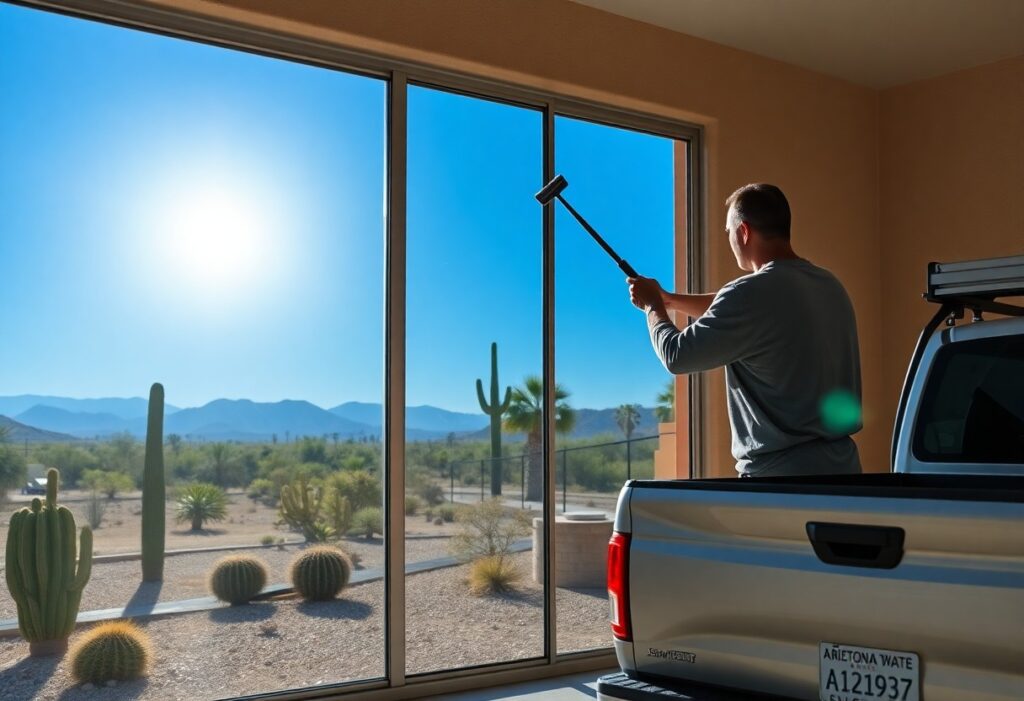
Tinting your windows in Maricopa reduces solar heat gain, lowers your cooling bills, and protects your furnishings from UV damage while improving privacy and daytime glare control. With local intense sun and seasonal temperature swings, you gain consistent interior comfort, extended HVAC life, and potential insurance or resale benefits. Choose professional residential films rated for heat rejection and optical clarity to maximize performance and maintain curb appeal. Benefits of Residential Window Tinting You’ll notice lower energy bills, reduced glare, enhanced privacy, and longer-lasting interiors after tinting; high-performance films can reduce solar heat gain by up to 70-80% and cut cooling costs roughly 10-30% in hot climates. Many homeowners report a marked improvement in room comfort and a measurable decline in HVAC runtime during summer peaks. Professional installations also preserve window clarity and add resale appeal without changing your home’s exterior appearance. Energy Efficiency In Maricopa’s intense summers, window film lowers indoor temperatures by 5-10°F in sun-exposed rooms, which translates to AC runtime reductions of 10-30% and a typical payback period of 3-5 years. Low-emissivity and spectrally selective films improve window performance by reflecting infrared while admitting visible light, so you keep daylight without the heat load that drives up your monthly electric bill. UV Protection You get laboratory-grade UV defense-many films block up to 99% of UVA and UVB rays-so carpets, artwork, wood floors, and upholstery fade far more slowly. That level of filtering reduces photodegradation that otherwise breaks down dyes and finishes, and it lowers your household UV exposure during prolonged sunlight through windows. Manufacturers and conservation studies show UV wavelengths under ~400 nm are the primary drivers of photodegradation; museums rely on similar UV-filtering glazing to protect exhibits. Applying residential film effectively replicates that protection at a fraction of retrofit glazing cost, extending the visual life of textiles and finishes by years and reducing replacement and restoration expenses over time. Enhancing Privacy and Security Beyond energy and glare control, window tinting provides measurable privacy and a first line of defense for your home. You can choose films with visible light transmission (VLT) as low as 5% for daytime screening, and many films block up to 99% of UV, protecting interiors while obscuring sightlines. In practice, thoughtful film selection for street-facing windows reduces opportunistic observation and adds a deterrent to casual break-ins. Reduced Visibility from Outside By opting for low-VLT (5-20%) or reflective films on ground-floor and street-facing windows, you significantly limit what passersby can see into your rooms during daylight. For example, a 5% VLT film creates a near-mirror exterior that makes activity inside unreadable from 10-20 feet, while still allowing you adequate daylight. Combine films with landscaping or privacy glass for 24-hour control. Shatter Resistance Security and safety films, typically 4-8 mil thick (with heavier options available), bond to the glass and hold fragments together when struck, reducing the risk of injurious shards and slowing forced entry. You’ll find these films used in commercial settings and increasingly in homes; a thicker film increases dwell time-measured in minutes-making smash-and-grab attempts less likely to succeed. Installation details matter: anchoring the film at the frame edge, choosing polyester laminates of 7-8 mil, and having a professional apply the adhesive layer all improve performance. You should still pair film with reinforced locks or sensors for layered security, and consider thicker, multi-layer films if you want certified impact ratings or to qualify for potential insurance benefits. Cost Savings and Return on Investment Lower Energy Bills You can cut cooling costs substantially with quality window film-most solar-control tints reduce solar heat gain by 50-79% and block up to 99% of UV, typically lowering summer energy bills 10-30%. In Maricopa’s climate that often translates to $200-$600 saved per year on AC for an average single-story home. Installation pays back fast: many homeowners recoup the cost in 2-5 years, while reduced HVAC runtime also extends equipment life. Increased Property Value You’ll find buyers value lower operating costs and protected interiors; energy-efficient upgrades like window tinting improve marketability and can shorten time on market. A conservative example: $300 yearly utility savings equals $3,000 over 10 years, which buyers factor into offers. Plus film preserves flooring, blinds and furnishings by blocking UV, effectively delaying replacement costs and making your listing more attractive to comparison-based pricing. Consider costs: whole-house professional tinting in Maricopa typically runs $600-$2,500 depending on window area and film grade; with annual savings of $200-$600 your upfront cost often pays back within 2-5 years. Appraisers and buyers increasingly note energy upgrades-combined savings plus preserved interiors often translate to stronger offers and less negotiation on price, especially when you can show utility bills and manufacturer warranties at listing. Aesthetic Improvements You can transform the look of your home without replacing glass by choosing window films that create a uniform, contemporary façade while blocking up to 99% of UV rays and rejecting as much as 70% of solar heat. Options range from nearly invisible low-profile films to reflective or frosted finishes, so you’ll protect furnishings, reduce glare, and tailor the exterior mood-modern, warm, or privacy-focused-at a fraction of the cost of new windows. Style and Design Options You’ll find visible light transmission (VLT) choices roughly from 5% to 70%, letting you balance daylight versus privacy; gray and bronze tints preserve natural color, mirrored films add a sleek reflective look, and decorative frosted or patterned films replicate etched glass for much less expense. For example, a 20% VLT neutral-gray film keeps daylight while cutting glare substantially, and decorative films achieve an upscale entry appearance without full glass replacement. Improved Curb Appeal You’ll boost curb appeal by creating consistent window tones across your façade-mirrored or gray films lend a modern, high-end look while frosted films enhance entry privacy. Tinting typically costs 50-80% less than wholesale glass replacement, so you can update appearance and energy performance affordably, making the home look updated to buyers and passersby without a major renovation. For more impact, pair tint choices with exterior finishes common in Maricopa: bronze or warm-tone films complement adobe and
Window Tinting

A Homeowner’s Guide To Home Window Tinting In Sacaton – What You Need To Know

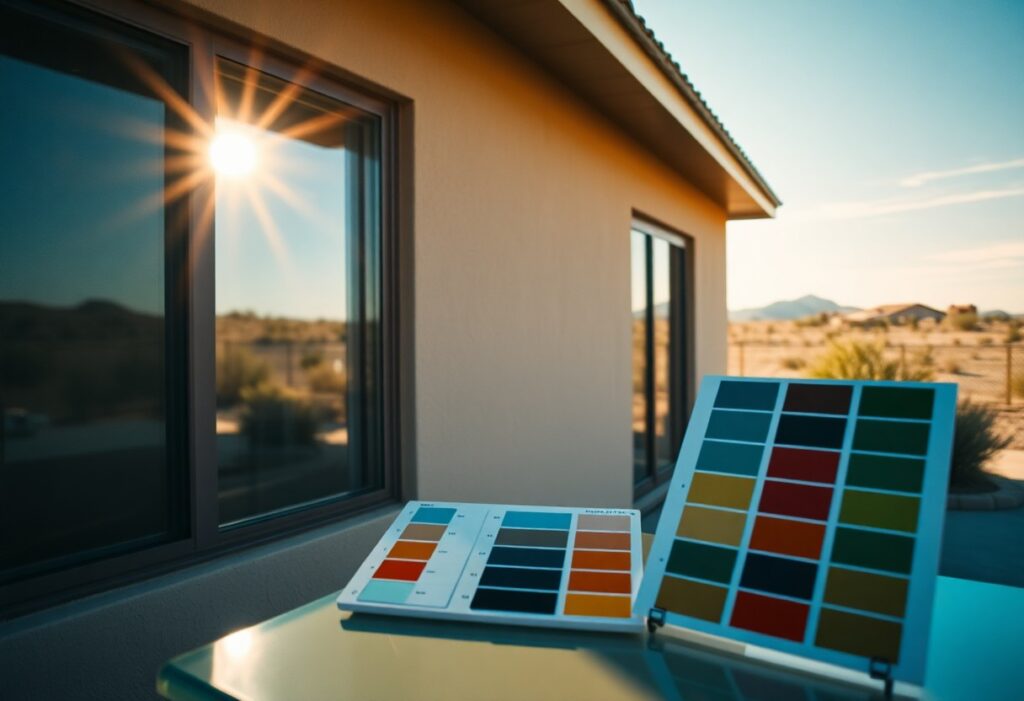
You can enhance your living space and improve energy efficiency with home window tinting in Sacaton. This guide will provide you with imperative information on the benefits, types, and installation of window films, ensuring you make informed choices for your home. By understanding the various options available, you can select the best solution to meet your needs and preferences, ultimately creating a more comfortable and stylish environment. Types of Home Window Tinting You have several options when it comes to home window tinting, each with distinct benefits. The most common types include: Dyed Window Films Metalized Window Films Hybrid Window Films Ceramic Window Films Low-E Window Films After evaluating these types, you can choose what best fits your needs and preferences. Type Description Dyed Window Films Darkens windows, reducing glare and providing privacy. Metalized Window Films Reflective properties that enhance energy efficiency. Hybrid Window Films Combines dyed and metalized features for balanced benefits. Ceramic Window Films Advanced technology offers UV protection without much heat. Low-E Window Films Improves insulation and reduces energy costs significantly. Film-Based Tinting Film-based tinting is a popular choice for homeowners, using thin layers of tinted material adhered to glass surfaces. This type allows for various levels of darkness and UV protection, making it versatile for different needs. Installation is usually straightforward, and the film can provide significant glare reduction while preserving the aesthetic appeal of your home. Coating Tinting Coating tinting involves applying a liquid solution directly to the glass surface, forming a protective layer. This method tends to offer superior durability and resistance to scratches compared to film-based options. Coatings are often designed to enhance thermal insulation and reduce energy consumption, making them an attractive choice for energy-conscious homeowners. Coating tinting typically requires professional application due to its complex processes and materials. It can last longer than film, sometimes up to a decade or more, depending on the quality of the coating used. These coatings not only block harmful UV rays but also enhance the aesthetics of your windows with various finishes available, from clear to deeply tinted options. Factors to Consider Before Tinting Before applying window tinting, evaluate key factors that influence both the effectiveness and longevity of your investment. Consider the following: Local regulations on tinting Type of windows you have Desired level of privacy Cost of installation and maintenance Energy savings potential This comprehensive approach ensures that you select the best tinting solution for your home. Climate and Environment Your local climate affects how well window tinting performs. In hot climates, high-performance films minimize heat ingress while reducing glare. Conversely, in cooler areas, you might prefer films that retain heat. Seasonal fluctuations also matter; consider films designed for year-round effectiveness to accommodate changes in weather conditions. Window Orientation The orientation of your windows significantly impacts your choice of tint. South-facing windows receive the most sunlight, requiring a higher UV protection level. East-facing windows catch morning sun, while west-facing ones can create excessive heat in the afternoon. By assessing orientation, you can select a tint that optimally balances light, heat, and energy conservation. For example, if your home has large, south-facing windows, a darker, reflective tint will help reduce heat gain while keeping your indoor space comfortable. Alternatively, lighter tints can enhance visibility without sacrificing too much heat reduction for east or west-facing windows, where glare is more pronounced during specific times of the day. Tailoring your tint choice to window orientation enhances both comfort and energy efficiency. Pros of Home Window Tinting Window tinting improves your home’s comfort, safety, and aesthetic appeal. By reducing glare and heat gain, tinted windows create a more pleasant living environment. You’ll also enjoy added privacy while safeguarding your furnishings from fading. Overall, these benefits translate into enhanced quality of life and reduced energy costs. Energy Savings Tinting your windows can significantly lower your energy bills by reducing heat transfer. By rejecting up to 99% of UV rays and minimizing solar heat, you lessen the burden on your air conditioning system. This means you can enjoy a cooler home during hot months without excessively relying on energy and increase overall efficiency. UV Protection Home window tinting provides crucial UV protection that safeguards both your health and your belongings. Windows can let in harmful ultraviolet (UV) rays, contributing to skin damage and fading of furniture or flooring. High-quality window film can block up to 99% of these rays, allowing you to enjoy natural light while preventing the adverse effects of UV exposure. Investing in window tinting not only protects your family but also preserves the integrity of your home’s interior, extending the life of textiles and artwork. With such efficiency, it’s a smart choice for long-term home maintenance. Cons of Home Window Tinting Despite its advantages, home window tinting has some downsides that you should consider before making a decision. These include potential cost implications, aesthetic limitations, and the possibility of decreased visibility, especially during nighttime. Understanding these cons will help you weigh the benefits against the challenges involved. Cost Considerations While the long-term energy savings can mitigate the initial investment, window tinting can be expensive upfront. Quality window films can range from $2 to $14 per square foot, depending on the type and brand. Installation costs may further increase the overall expense, making it important to budget accordingly. Aesthetic Limitations Your home’s aesthetic could be impacted by window tinting, as some films may alter the natural appearance of your windows. Darker tints can make interiors feel less open and bright, while reflective films may not suit every architectural style, leading to a mismatch with your home’s exterior design. Aesthetic limitations can also extend to the variety of colors and finishes available. High-quality tints often come in limited styles, potentially clashing with your home’s decor or reducing curb appeal. For instance, overly dark tints might create a stark contrast with light-colored walls or architectural features. Balancing functionality with design is important, so you might want to consult with a professional to explore options that align with your

Window Tinting

Choosing The Right Window Tint For Your Goodyear Home – Homeowner’s Guide

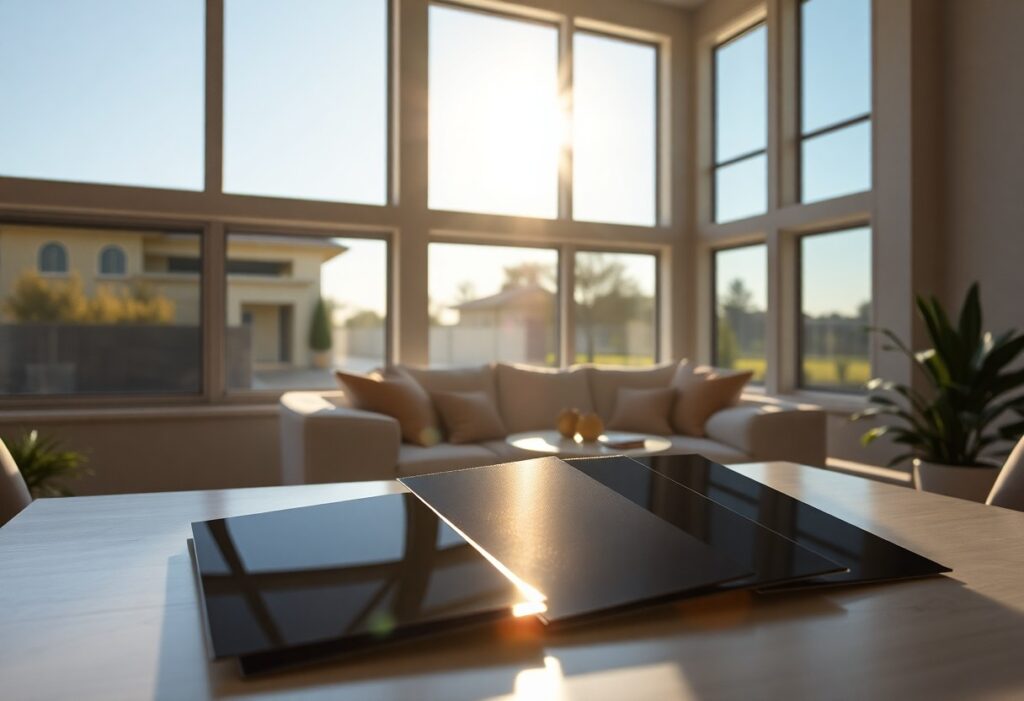
Tinting your windows is more than just a style choice; it’s a smart investment that can enhance your Goodyear home’s energy efficiency and comfort. In this homeowner’s guide, you will discover key factors to consider when selecting the perfect window tint for your space. From understanding the different types of tints available to evaluating local regulations, you’ll learn how to make an informed decision that fits your needs and lifestyle. Let’s explore how the right window tint can transform your living environment and provide added privacy and protection. Decoding the Spectrum: UV Protection vs. Aesthetics Finding the perfect window tint involves understanding the balance between UV protection and aesthetics. While a darker tint can enhance your home’s curb appeal and give it a modern look, lighter tints may offer superior UV protection without compromising the brightness of your living space. The choice ultimately hinges on how you prioritize visuals against functionality, impacting both the atmosphere of your home and the well-being of your family. The Science of Window Tinting and UV Rays Window tint films are designed to block harmful UV rays, which can contribute to skin damage and fade your furniture. Most tints can block up to 99% of UV radiation, significantly reducing health risks while maintaining the view from your windows. This protective shield not only safeguards your interior but also helps in regulating indoor temperatures, leading to energy savings over time. Balancing Beauty and Functionality in Tint Choices Choosing window tints isn’t just about aesthetics; you have to weigh in their impact on your home’s comfort and energy efficiency. Opting for a film that provides a fashionable touch while still allowing ample natural light can create a pleasant ambiance. Additionally, consider tints that are versatile in design, allowing you to play with different intensities that complement your existing décor. Achieving the right blend of beauty and functionality requires careful consideration of your personal style and practical needs. For instance, you might choose a reflective tint that enhances privacy during the day while still allowing some visibility at night. Meanwhile, a neutral-toned film can harmonize with different architectural styles, ensuring your home looks elegant without sacrificing the UV benefits. In Goodyear’s sunny climate, finding a window tint that preserves your interiors while enhancing your home’s aesthetic could be the key to achieving that perfect balance. The Cost-Benefit Analysis: Long-Term Savings vs. Upfront Investment Investing in window tint involves weighing immediate costs against potential long-term savings. Upfront expenses can vary, but they often yield significant returns through reduced energy bills, enhanced property value, and extended lifespan of furnishings. These benefits not only improve your living environment but also add to your home’s overall appeal, potentially offsetting the initial investment over time. Evaluating Energy Efficiency and Utility Savings Window tinting enhances your home’s energy efficiency by blocking a substantial percentage of UV rays and solar heat. You can experience utility savings averaging 30% on energy bills, especially in hotter months, making it a wise investment. Over time, these savings accumulate, often covering the cost of installation within a few years. Factors Influencing Tint Costs: Quality vs. Brand The cost of window tint can fluctuate based on various factors, including the quality of materials and the brand reputation. Premium films often come with warranties that guarantee performance for decades, giving you peace of mind. In contrast, cheaper options might save you money upfront but require replacements sooner than expected. This choice directly impacts your long-term satisfaction and financial savings. Material quality significantly affects durability and performance. Brand reputation is vital for ensuring reliability and longevity. Considering the intended use will influence your selection process. Installation complexity can vary, adding to costs if you need professionals. This impacts your overall cost-benefit ratio regarding investment. In the market for window tint, recognizable brands often offer higher-quality products due to their extensive research and development efforts. For example, films that provide better insulation or glare reduction are frequently backed by warranties, underscoring their trustworthiness. While lesser-known brands might seem appealing due to lower prices, their performance may fall short, sometimes leading to higher costs over time. This becomes vital when considering long-term benefits versus initial expense. Researching product reviews can help you make an informed choice. Consider installation services, as experienced professionals can enhance product performance. Different regions may have specific tinting regulations influencing selection. Comparing similar brands ensures you’re getting the best value for quality. This leads to a financially sound decision that lasts for years. Navigating Local Regulations: What Goodyear Homeowners Should Know Before installing window tint, familiarize yourself with local regulations that govern the use of window treatments in Goodyear. These rules may dictate specific aspects of window tinting, such as the level of darkness allowed, reflective properties, and even color specifications. Understanding these regulations will not only ensure compliance but also save you from potential fines or mandated removal of tint that doesn’t meet local guidelines. Understanding State and Local Tinting Laws Arizona state laws outline specific limits for visible light transmission in automotive and residential window tinting. For residential properties, you can generally use non-reflective tint on the uppermost 4 inches of your windows, with darker tints prohibited to promote safety and neighborhood aesthetics. Researching these laws can protect your investment and enhance your home’s appeal. Ensuring Compliance with Homeowners’ Association Guidelines Homeowners’ associations (HOAs) in Goodyear often enforce strict guidelines regarding aesthetics, including window treatments. These regulations can vary significantly from community to community. Review your HOA’s rules to determine any restrictions on window tint properties like color, reflectivity, and even the types of materials permissible for installation. Approaching your HOA for pre-approval before making any tinting decisions not only keeps your home compliant but also fosters a cooperative relationship with your community. Failure to comply with HOA guidelines can have consequences ranging from fines to the obligation to remove non-compliant tint. Some communities may require a specific level of reflectivity or even a color palette that aligns with the neighborhood’s overall aesthetic. Engaging with your HOA

    Elite Shine & Tint Pro

    First Name

    Last Name

    Email

    Phone

    REQUEST FREE QUOTE

    Enquire Now

    Name

    Nathaniel Gilkes

    Dynamic and results-driven leader with 18+ years of operations management, business development, and customer-centric leadership. I specialize in building inclusive, high-performing teams where people want to belong, grow, and succeed. My leadership style is flexible and adaptable, allowing me to engage effectively across all levels—from frontline teams to executive boardrooms, sales to operations, and technical experts to general managers.
    What drives me most? Leading exceptional teams, fostering innovation, and mentoring the next generation of leaders. I thrive in environments that challenge me to implement long-term solutions, scale operations, and drive strategic growth.

    Key Expertise & Accomplishments:

    When I’m not leading in the boardroom, you’ll find me leading in the fitness studio as a Les Mills instructor, inspiring others to fall in love with fitness. It’s not just about working out—it’s about empowering people to be their best selves.

    Maxwell Risi

    Maxwell Risi is the owner and founder of AZ Window services, a small family-owned company in the Phoenix valley.
    With a passion for delivering top-notch services and a commitment to customer satisfaction, I founded AZ Window Services with the vision of enhancing both the aesthetic appeal and functionality of residential and commercial properties through expert window solutions.
    With over 5 years of experience in the industry, I bring a wealth of knowledge and expertise to every project. Having honed my skills through years of hands-on experience, I understand the nuances of window tinting and cleaning, ensuring that each job is completed to the highest standards.

    At AZ Window Services, our mission is simple: to exceed our clients’ expectations with every service we provide. We believe in transparency, professionalism, and integrity, and strive to build lasting relationships with our customers based on trust and reliability. Thank you for choosing AZ Window Services for all your window needs. We look forward to serving you!