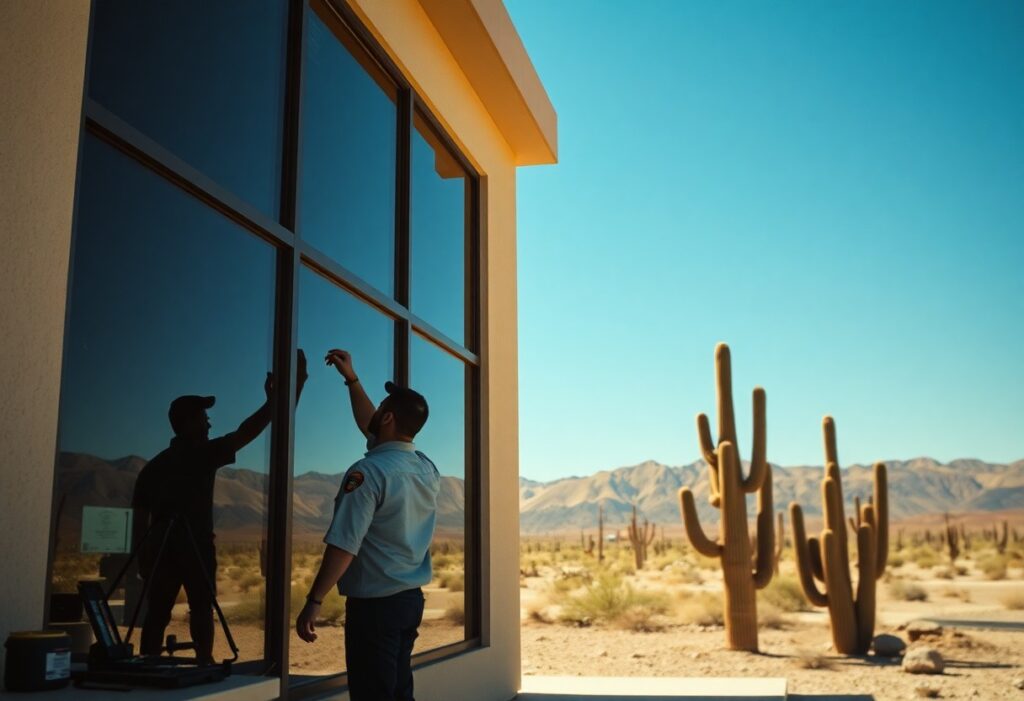
It’s important to understand how to properly care for your commercial window tinting to ensure its longevity and effectiveness. By following a few simple maintenance tips, you can protect your investment from damage and fading while enhancing the comfort and aesthetics of your space. This guide provides important strategies tailored specifically for window tinting in Queen Valley, helping you keep your windows looking great for years to come. Understanding Commercial Window Tinting Commercial window tinting is a popular solution for businesses looking to enhance energy efficiency, increase privacy, and improve aesthetics. By applying a specialized film to windows, you can significantly reduce the amount of heat and UV radiation that enters your premises, leading to lower energy costs and a more comfortable environment for employees and customers alike. Benefits of Window Tinting Window tinting offers numerous advantages for your commercial property. It enhances privacy without sacrificing natural light, protects furnishings from fading, and reduces glare on screens, improving productivity. Additionally, tinted windows can lead to significant energy savings by keeping interiors cooler in the summer and reducing heating costs in the winter. Types of Tinting Materials There are various types of window tinting materials available, each suited for different needs and preferences. Common options include dyed films, metalized films, ceramic films, and hybrid films. Each type varies in terms of shading, UV protection, and heat rejection capabilities, allowing you to choose the right solution for your specific business environment. Type Features Dyed Films Cost-effective, reduces glare, privacy enhancement. Metalized Films Helps with heat rejection, increases shatter resistance. Ceramic Films High UV protection, does not interfere with signals. Hybrid Films Combines dyed and metalized, balanced heat rejection. Security Films Strengthens glass, protects against break-ins. Choosing the right tinting material depends on factors like your budget, desired appearance, and specific needs. For example, dyed films are great for aesthetics and privacy, while ceramic films provide superior UV protection without signal interference. If safety is a concern, security films can help reinforce glass against impact. After selecting a tint, ensure professional installation for optimal performance. Material Type Best Use Scenario Dyed For aesthetics and privacy in low-traffic areas. Metalized For establishments looking to minimize heating costs. Ceramic Optimal for high-end businesses needing UV protection. Hybrid For businesses wanting a balance of durability and appearance. Security For locations needing enhanced safety and theft protection. After analyzing your requirements, consult with a professional to find the best solution tailored to your needs. Assessing Your Investment To effectively maintain your commercial window tint, you must regularly assess its condition and performance. Conducting a thorough evaluation allows you to identify issues early, maximizing the lifespan of your tint and protecting your investment. Regular inspections will help ensure that the tint continues to provide the benefits you expect, from energy savings to aesthetic appeal. Evaluating Current Window Tint Condition Start by examining the overall appearance of your window tint. Look for signs such as discoloration, bubbling, or peeling at the edges. A clear, uniform look indicates that your tint is in good shape, while any irregularities may suggest deterioration. Checking throughout various seasons will give you a better understanding of how the tint performs under different environmental stressors. Signs of Wear and Tear Detecting wear and tear early can save you money on future repairs or replacements. Look out for bubbling, which appears as blisters on the surface, as it often indicates that the adhesive is failing. Fading is another common issue, where the tint loses its original color, impacting its effectiveness in UV protection and heat management. Additionally, peeling edges can hinder the film’s performance and should be addressed promptly. Bubbling and peeling may also be exacerbated by exposure to extreme weather conditions like intense sunlight or hailstorms. A regular maintenance schedule should include checking for these specific signs. For example, if your windows face direct sunlight, ensure to inspect them more frequently, perhaps quarterly, compared to windows that receive indirect light. Address any issues immediately, as neglect can lead to more significant problems and costly replacements. Maintenance Tips To keep your commercial window tinting looking its best and functioning optimally, regular maintenance is imperative. Incorporate the following practices into your routine: Clean windows regularly to prevent buildup. Avoid abrasive cleaners or materials. Inspect for damage periodically. Consider professional cleaning services annually. Use soft cloths or squeegees for cleaning. Any care you invest will extend the life of your window tinting. Regular Cleaning Practices Cleaning your tinted windows should occur at least once a month to remove dust and grime that can accumulate over time. Use a mild soap solution or a dedicated window cleaner that is safe for films. Soft cloths or microfiber towels will prevent scratching while effectively lifting dirt. Avoid cleaning on sunny days; heat can cause cleaners to dry too quickly, leading to streaks. Consistent attention to cleanliness will ensure your tints remain clear and aesthetically pleasing. Avoiding Damage During Cleaning It’s important to avoid causing damage while cleaning your window films. Using harsh chemicals or abrasive materials can remove the tint or scratch its surface. Always test new cleaning solutions on a small, inconspicuous area first. When using squeegees, make sure the edges are smooth and free from debris. You should also refrain from using power washers, as high pressure can lift the film from the glass. Protecting your investment begins with careful cleaning practices. Prioritize gentle handling and proper products to maintain the integrity of the window tint. Always use manufacturer-recommended cleaning agents and tools. For instance, avoid products containing ammonia, as they can deteriorate the tint. Regularly check the squeegees for any nicks or imperfections to prevent scratching. Being vigilant during the cleaning process safeguards your investment and keeps your spaces looking professional and inviting. Professional Services To ensure the longevity and effectiveness of your commercial window tinting, engaging professional services is often necessary. Experts can assess your tinting needs, perform high-quality installations, and execute maintenance tasks to keep your windows in optimal condition. Relying on professionals not only