
If you’re thinking about tinting your home’s windows, one of the first questions that comes up is simple: how long will this take? You want the comfort benefits—less heat, less glare, better UV protection—without turning your house into a construction zone for days.
The good news is that most residential window tinting projects are completed within one working day, and in many homes it’s even faster. The more important part is understanding what “time” really means in window tinting, because there are two timelines that matter:
- Installation time (how long our team is physically working in your home)
- Curing time (how long the film takes to fully settle and look crystal clear)
Below, we’ll walk through realistic timeframes, what affects your project length, what to expect on install day, and how to prepare so everything goes smoothly.
At AZ Window Services, we’re big on setting clear expectations. We’re a local, family-owned company in the Phoenix Valley, and our goal is to make your home feel more comfortable year-round—with a process that feels easy and respectful from start to finish.
Typical Timeframes for Residential Window Tinting
A helpful average is about 30–45 minutes per window for standard residential windows with good access and no unusual prep. That doesn’t mean you multiply your window count and you’re done—installers work efficiently across the home, and some windows take much less time while a few take longer.
Here’s what homeowners usually experience:
- A small home with 5–10 windows often takes 2–4 hours.
- A medium home with 10–20 windows commonly takes 4–6 hours.
- A larger home with 20+ windows may take 6–8+ hours, and occasionally it can extend to a full day or be split depending on complexity.
In most cases, your project is completed in one working day, especially when the windows are standard shapes and easy to access. If your home includes tall entryway glass, a lot of French panes, skylights, or old film removal, it can take longer.
Now let’s make the most important distinction.
Installation Time vs Curing Time (Don’t Mix These Up)
When people say “how long does tinting take,” they’re usually talking about the install day. But window film has a natural settling period. Understanding that cures a lot of worry.
Installation time: what happens the day we’re there
Installation time is the hands-on part. It includes preparing the workspace, deep cleaning the glass, applying the film, smoothing it out, trimming it precisely, and finishing the edges so it looks clean and professional.
For most homes, the actual “in-your-space” portion is measured in hours, not days. We work room by room so your home stays livable throughout the process.
Curing time: what happens after we leave
Curing time is the period when the moisture between the film and the glass evaporates fully and the film settles into its final appearance.
Most residential films cure in roughly one to two weeks, depending on indoor temperature, sunlight exposure, humidity, and the specific film. During curing, it’s normal to notice mild haziness, faint streaks, or small moisture patterns that gradually disappear. That doesn’t mean something went wrong—it’s part of how film settles.
If you’re in Phoenix, curing usually moves along well because we get consistent warmth and sunlight, but every home is a little different.
What Affects How Long Your Home Takes?
Two homes can have the same number of windows and still take very different amounts of time. Here are the factors that most often change the timeline.
Window count and total glass area
This is the biggest driver. Ten small windows can go faster than five massive panes. Large sliders, picture windows, and tall entry glass add time because there’s simply more surface area to prep and finish properly.
Window size, layout, and style
Standard single panes are usually straightforward.
Where timelines grow is in “detail windows,” like:
- French panes (multiple small panes in one door or window)
- Windows with grids or tight corners
- Arches and specialty shapes
- Oversized floor-to-ceiling glass
More edges and corners mean more precision cutting and finishing.
Accessibility and height
Second-story windows, stairwell glass, tall entryways, and tight exterior landscaping can slow things down. Safe access takes planning, and the film still needs to be installed with the same clean standard.
If your home has areas that require ladders or unusual angles, it doesn’t mean it can’t be done—it just means we budget the time properly.
Condition of the glass and frames
A perfect finish starts with clean glass. If the windows have:
- Heavy dust buildup
- Construction residue
- Paint overspray
- Hard water spots
- Oils from hands or prior cleaning products
…then the prep and cleaning stage can take longer. This step matters because film magnifies what’s underneath. Good prep is the difference between “looks okay” and “looks flawless.”
Old film removal
If you have old tint or aging film, removing it can add meaningful time. Removal includes peeling, adhesive cleanup, and re-cleaning the glass so the new film can bond correctly. It’s a common situation in Phoenix, especially in homes that have had prior upgrades.
Film type and your goals
Most solar and ceramic films are installed in a similar way. But certain categories can add time:
- Decorative film with patterns, bands, or custom layouts
- Security film (thicker material and sometimes more finishing detail)
- Smart tint solutions (a different scope than standard film)
The “right film” depends on what you’re trying to solve—heat reduction, glare control, privacy, safety, or style—and we tailor the plan around that.
Step-by-Step: What Happens During a Residential Tint Install
If you’ve never had window film installed before, it helps to know what the day looks like. This is the typical flow for a residential project.
1) Walkthrough and confirmation
We start with a quick walkthrough to confirm which windows are being tinted and what your goals are. In Phoenix, the most common priorities are heat reduction and glare control, especially in west-facing rooms, home offices, and open living areas with large glass.
This is also when we confirm film selections, answer last-minute questions, and set expectations for what you may see during curing.
2) Protecting the area
We treat your home like a home, not a job site. We protect nearby flooring and surfaces, keep tools organized, and work with a clean, tidy setup. Most of the work happens right at the window, so disruption stays minimal.
3) Deep cleaning (the “invisible” step that makes everything look better)
This is where quality lives.
We deep-clean the glass and edges because the film needs a clean surface to bond properly and look smooth. If there’s any residue or debris, it can show through the film, especially in bright sunlight.
This step doesn’t just affect appearance—it affects longevity. Great prep helps ensure the film performs well over time.
4) Film application and smoothing
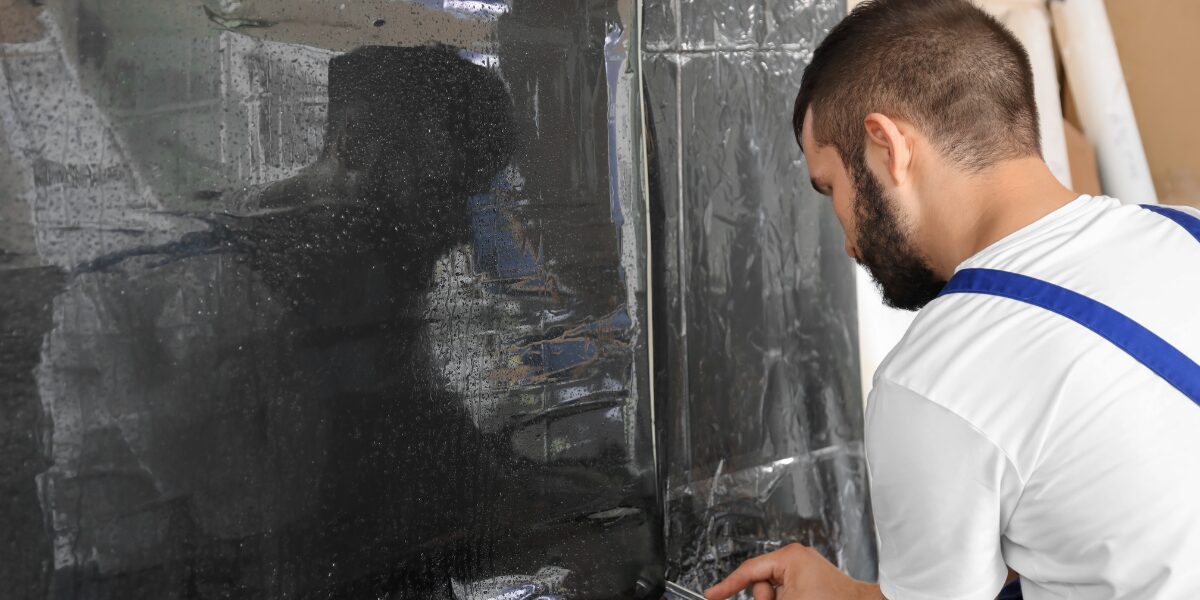
The film is applied carefully to the window using a method that allows alignment and adjustment. Once positioned correctly, we use professional tools to smooth it and remove moisture evenly.
This is also where experience makes a difference. A consistent, clean finish isn’t about rushing—it’s about technique.
5) Precision trimming and edge finishing
After the film is in place, edges are trimmed for a clean look. This is the stage that turns “installed film” into “professionally finished film.” It takes patience and precision, especially on large panes and detailed windows.
6) Final check and aftercare
Before we wrap up, we review the completed windows, confirm everything looks right, and provide simple aftercare guidance. We’ll also talk about curing—what’s normal, what’s not, and when you can clean the windows again.
“How Long Will My House Take?” Real-World Examples
Every home is unique, but these scenarios help you picture the timeline.
Example A: Condo or small single-story home
If you have 6–8 standard windows and easy access, tinting may be finished in a few hours. The workflow is straightforward, and the project often feels quick.
This is common for townhomes, condos, and smaller single-level homes where the glass is accessible and the panes are standard sizes.
Example B: Typical family home
A common Phoenix family home might have 10–15 windows plus a couple larger panes like sliders or a picture window. In these cases, the install frequently fits into half a day to most of the day, depending on the layout and film type.
If there are a few “problem windows” (like west-facing glass or a tall entryway), we plan the schedule around those.
Example C: Large home with specialty glass
Large homes can have 20+ windows, oversized panes, tall entryways, and specialty shapes. That’s where the timeline can stretch toward a full day or occasionally beyond—especially if film removal is involved.
The key is that longer doesn’t mean worse. It often means more surface area and more detail work to deliver a clean result.
How to Prepare So Your Install Goes Faster (and Smoother)
Most preparation is simple. You don’t need to “move out” of your house. A little setup just helps the day go smoothly.
- Clear a few feet around each window where possible. Move small decor items or furniture slightly away from the glass.
- Secure pets in another room or area so they’re comfortable and out of the work zones.
- Let us know about any old film or problem areas in advance.
- Point out your priority rooms (like a west-facing living room or a home office) so we can focus there first.
If you’re not sure what needs moving, don’t stress—our team will guide you during scheduling so you’re not guessing.
Aftercare Timeline: What To Expect From 24 Hours to Two Weeks
Aftercare is easy, but it matters. Curing is a normal phase, and a lot of homeowner questions come from not knowing what to expect.
First 24–48 hours
Avoid touching or pressing on the film. The surface is settling, and it’s best to let it do its thing without disturbance. Keep interior glass dry and avoid cleaning it immediately.
First week
You may notice mild haziness, slight streaking, or small moisture patterns. These are usually temporary as the film cures and moisture evaporates.
Rooms with strong sunlight can cure faster. Areas with less sunlight may take a bit longer.
When can I clean the windows?
We’ll give you specific guidance based on your film type, but the general rule is: wait until the film has had time to cure before cleaning. When you do clean, use a gentle cleaner and a soft cloth (no abrasive pads).
When should I call your installer?
If you see something that looks unusual after the curing window, or you have concerns about edges, clarity, or appearance, reach out. We’d rather answer a question early than have you wonder.
DIY vs Professional: Timeline and Finish
DIY window tinting sounds tempting, especially if you’re handy. But in residential settings, DIY often takes significantly longer because of:
- The time needed to learn technique
- The challenge of prepping glass perfectly
- The difficulty of handling larger films cleanly
- The risk of contamination (dust, lint, and debris)
Professional installation is usually faster because experienced installers have the tools, workflow, and technique to deliver a consistent finish. It’s also about peace of mind—when done professionally, you’re getting a result that looks clean and performs the way it should.
The AZ Window Services Approach
At AZ Window Services, we keep the process simple: understand the problem you want to solve, recommend the right film, and install it with a clean, professional finish—without turning your home into a mess.
We’re a local, family-owned company in the Phoenix Valley, and we take pride in delivering a customer service experience that matches the quality of the work. Our team installs residential solar film, decorative film, security film, and smart tint solutions designed to bring year-round comfort to your home.
We also provide a one-year guarantee on all labor, and manufacturer warranties depend on the film selected. For Smart Tint (iTint) and Smart Glass (iGlass), the manufacturer’s warranty is two years, along with a one-year labor warranty.
If you’re ready to improve comfort and reduce heat and glare in your home, we’d love to help. Request a free quote, and we’ll give you a clear timeline based on your exact windows and goals.
FAQs: How Long Does Residential Window Tinting Take?
How long does it take to tint a whole house?
Many homes can be completed within one working day. Smaller homes may take a few hours, while larger or more complex projects can take a full day or more.
How long does it take per window?
A common average is around 30–45 minutes per window, but large or complex windows can take longer, and simple windows can take less.
Can you tint windows in one day?
In most residential cases, yes. The main reasons it might extend beyond a day are a high number of windows, specialty shapes, difficult access, or old film removal.
What makes window tinting take longer?
The biggest factors are total glass area, window complexity (French panes, arches), accessibility (second story), glass condition, and film removal.
Do big windows take longer than small windows?
Yes. Large panes often require more time for prep, alignment, smoothing, and finishing.
How long does it take to remove old window film first?
Removal time varies widely depending on the age and condition of the existing film and adhesive. It can add noticeable time to the project.
How long does window film take to cure on home windows?
Curing commonly takes about 1–2 weeks, depending on indoor conditions and sunlight exposure.
Why does my tint look hazy or streaky after installation?
That’s often part of the curing process as moisture evaporates. It typically clears as the film settles.
When can I clean my windows after tinting?
You should wait until the film has had time to cure. We’ll provide aftercare guidance specific to your film and situation.
Will bubbles go away after installation?
Small moisture patterns can be normal during curing and often disappear. If anything persists beyond the curing window, contact your installer.
Does decorative or security film take longer to install?
It can. Decorative film may require more precise layout or pattern alignment, and security film can involve thicker material and detailed finishing.
Can you tint high or second-story windows safely?
Yes—professional installers plan access carefully, but it can add time compared to ground-level windows.