Window Tinting

Window Tinting

Why Residential Window Tinting In Aguila Is A Smart Investment For Year-Round Comfort

You can enhance your home’s comfort and energy efficiency by investing in residential window tinting in Aguila. This simple yet effective solution not only reduces glare and protects your furnishings from fading but also helps maintain a comfortable indoor temperature throughout the year. With the harsh Arizona sun, window tinting can significantly lower your energy bills by minimizing the need for excessive air conditioning. Discover how this investment can improve your living space while providing both short-term benefits and long-term savings. Benefits of Residential Window Tinting Residential window tinting offers a range of advantages that enhance both comfort and aesthetics in your home. By reducing glare, blocking harmful UV rays, and improving energy efficiency, window films create a more pleasant living environment year-round. Additionally, they can help protect your furnishings from fading, extend the lifespan of your HVAC system, and reduce energy costs, making it a smart choice for homeowners in Aguila. UV Protection and Health Benefits Tinting your windows significantly reduces harmful UV radiation exposure, which is linked to skin cancer and other health issues. By blocking up to 99% of UV rays, window films protect not only your skin but also your furnishings, preventing them from fading and deteriorating over time. This added layer of protection ensures you can enjoy natural light without compromising your health or the integrity of your home’s interiors. Energy Efficiency and Cost Savings Enhancing your home’s energy efficiency with window tinting can lead to substantial cost savings. By regulating indoor temperatures, tinted windows help keep your space cooler in summer and warmer in winter. This results in reduced reliance on air conditioning and heating systems, helping to lower your energy bills while promoting sustainable living. According to the U.S. Department of Energy, installing window films can reduce heat gain by up to 78%, creating a more comfortable indoor environment throughout the year. Additionally, this improvement can lead to a decrease in energy costs by up to 30%. For example, if your energy bills average $200 per month, you could potentially save $60 annually. With these kinds of savings, the initial investment in window tinting typically pays for itself within just a few years, making it not only an investment in comfort but also in your financial well-being. Enhanced Comfort and Temperature Regulation Benefits | Details — | — Improved comfort | Reduces hot spots and creates a more enjoyable living environment. Energy efficiency | Lowers energy bills by regulating indoor temperatures. Reducing Glare and Sunlight Exposure Your living spaces can suffer from excessive glare from direct sunlight, making it uncomfortable to watch TV or work on your computer. Window tinting effectively reduces glare by filtering out a significant portion of the sun’s rays, allowing you to enjoy a more comfortable atmosphere throughout your home. Maintaining Consistent Indoor Temperatures With residential window tinting, you can maintain a more uniform temperature in your home. The tinting film reflects unwanted heat away during the summer and helps retain warmth during the winter months, creating an optimal indoor climate regardless of external weather conditions. Benefits | Details — | — Energy savings | Consistent temperatures can lead to lower monthly utility bills. Enhanced comfort | Homes feel more comfortable year-round, lessening temperature fluctuations. Consistent indoor temperatures not only make your living environment more comfortable but also extend the lifespan of your HVAC system. By reducing the load on your heating and cooling units, you can prolong their functionality and minimize maintenance costs, ultimately enabling your home to operate more efficiently over time. Increased Privacy and Security Investing in residential window tinting significantly enhances your home’s privacy and security, making it an imperative consideration for homeowners. Tinted windows obscure the view into your home, allowing you to enjoy your space without the constant worry of prying eyes. Additionally, window films can reinforce glass, making it less susceptible to breakage, further deterring potential intruders. Preventing Outside Peering With window tinting, you can effectively prevent outside peering. The darker films limit visibility from the outside, safeguarding your home while ensuring that you can still enjoy natural light. This added privacy not only aids in your day-to-day comfort but also provides peace of mind, especially in busy neighborhoods. Adding an Extra Layer of Safety Tinted windows add an extra layer of safety to your home by making it more difficult for potential intruders to assess your living space. The reinforcement provided by window films helps hold shattered glass together, reducing the risk of injury from break-ins or accidents, and acts as a deterrent against unauthorized entry. This extra layer of safety is especially beneficial in areas with higher crime rates or for families concerned about home invasions. Research indicates that homes with reinforced glass are less appealing targets for burglars. By investing in residential window tinting, you are not only enhancing your home’s visual appeal but also actively protecting your family and belongings, creating a secure environment for your daily activities. Aesthetic Enhancement of Home Interiors Window tinting not only serves functional purposes but also markedly improves the aesthetic appeal of your home. With the right tint, you can complement your interior design effortlessly, blending style with practicality. Tints can create a uniform look that enhances the ambiance and increases the sophistication of living spaces, all while providing privacy and reducing glare from harsh sunlight. Variety of Tint Options In the context of window tinting, you have an array of options to choose from, allowing you to customize the look and feel of your home. From sleek, nearly invisible films to more dramatic shades, each option offers unique benefits and design aesthetics. You can select films that resonate with your personal style, ensuring that your windows enhance rather than detract from your home’s overall appearance. Improving Home Value and Curb Appeal Investing in residential window tinting can significantly boost your home’s value and curb appeal. Potential buyers often appreciate the modern look and added energy efficiency that tints provide. As a result, well-lit, aesthetically pleasing interiors combined with reduced energy

Window Tinting

The Complete Guide To Choosing The Right Window Tint For Your El Mirage Property

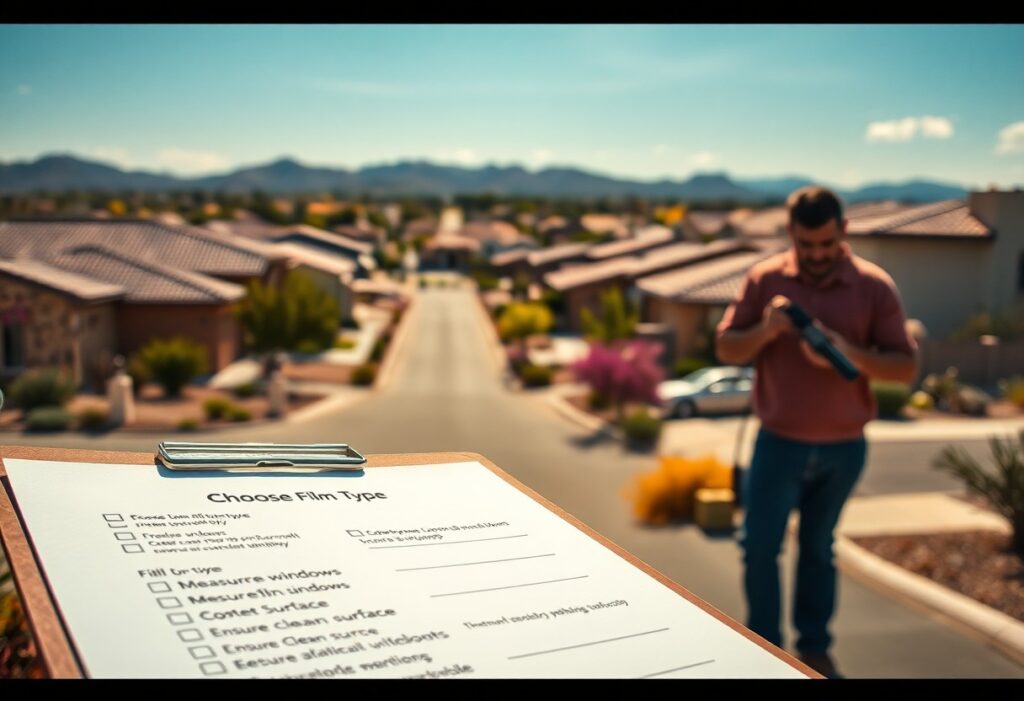
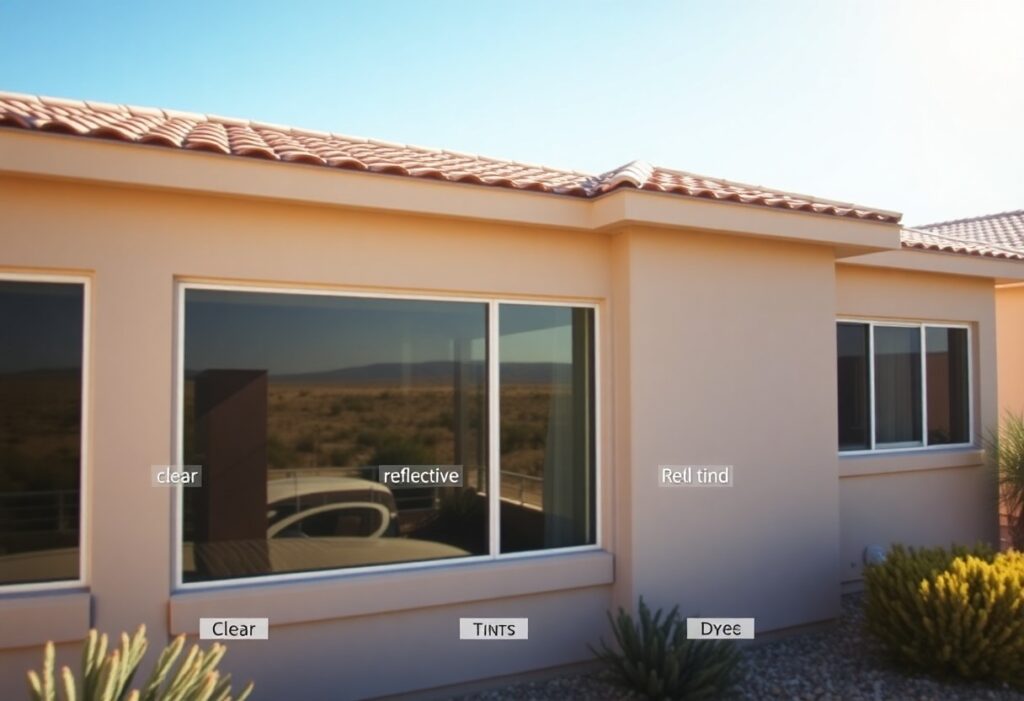
Just as you consider the style and comfort of your El Mirage property, choosing the right window tint is crucial for enhancing energy efficiency and privacy. This guide will walk you through the various types of window tints available, helping you understand their benefits and how they can cater to your specific needs. With the right information, you can make an informed decision that complements your home while providing protection from harsh sunlight and improving your overall living experience. Understanding Window Tint Window tinting involves applying a thin film to the interior or exterior of a window to reduce glare, heat, and UV rays. This enhancement not only provides energy savings but also enhances privacy and security. Selecting the right type of window tint can dramatically improve your home’s comfort and aesthetic appeal while also safeguarding your furnishings from sun damage. Types of Window Tint There are several types of window tint available, each serving unique purposes. Type Description Dyed Film Offers heat rejection and glare reduction, typically the most affordable option. Metalized Film Contains metal particles for increased durability and heat rejection. Ceramic Film Known for excellent UV protection while maintaining visibility. Hybrid Film Combines dyed and metalized film for balanced benefits. Security Film Strengthens your windows to resist shattering and break-ins. Any specific needs will lead you to the most suitable film type for your property. Factors to Consider Before Choosing Several factors must influence your decision on window tint. These include your local climate, the orientation of your windows, your privacy needs, and the legal regulations regarding tinting in your area. Understanding these elements helps ensure you select a tint that not only meets your functional requirements but also adheres to aesthetic preferences and local laws. Recognizing these factors can simplify your selection process and improve your overall satisfaction. Taking into account your specific requirements, including energy efficiency goals, sun exposure levels, and the intended aesthetics of your property, will guide your choice. Your home’s architectural style may also dictate your tint selection, ensuring it complements rather than clashes with existing elements. Always check local regulations for any restrictions on window tint to avoid potential complications down the line. Recognizing all these considerations will streamline your decision-making and enhance the effectiveness of your window tinting project. Step-by-Step Guide to Choosing Window Tint Step Description 1. Assessing Your Needs Determine your primary reasons for tinting, such as heat reduction, privacy enhancement, or UV protection. 2. Measuring Your Windows Accurately measure your windows to ensure a perfect fit for the tint film you select. Assessing Your Needs Begin by identifying the reasons for your window tinting project. Are you looking for enhanced privacy, reduced energy costs, or protection from harmful UV rays? Understanding your objectives will help you select the most suitable tint options, as different films cater to varying needs. Measuring Your Windows Start measuring your windows carefully, as accurate dimensions are vital for a proper fit. Use a measuring tape to record the width and height of each window, and note any obstructions such as frames or handles that may affect installation. Accurate measurements ensure you minimize waste and achieve a seamless appearance. Ensure to measure each window individually, particularly in older properties where window sizes can vary. Record your measurements in inches or centimeters, and consider drawing a simple diagram for reference. This detailed approach prevents errors during the purchasing process and guarantees that your chosen window tint fits properly, resulting in a polished, professional look once installed. Tips for Selecting the Right Tint Choosing the right window tint for your property can enhance comfort and aesthetics while providing energy efficiency. Consider factors such as your local climate, window orientation, and the purpose of the tint. Evaluate the level of heat reduction you need. Decide whether privacy or visibility is more important. Choose between various tint shades and reflectivity levels. Determine if you want a decorative tint or a functional one. Assume that you will also want a warranty and longevity to ensure lasting benefits. Seeking Professional Advice Consulting with a window tinting professional can provide you with tailored recommendations based on your specific needs. Experts can assess the structural aspects of your property, including window types and sizes, ensuring you select a product that performs optimally. They can also guide you through the installation process, saving you time and potential errors in DIY attempts. Considering Local Regulations Familiarizing yourself with local laws regarding window tinting is important to avoid fines and ensure compliance. Regulations can dictate the level of darkness allowed, the types of tints that can be used, and even specific requirements for different windows. Local regulations often vary significantly; for example, some areas may permit darker tints on rear windows but restrict them on front windows for safety. Additionally, certain color tints might be disallowed altogether. Checking your local DMV or government website can provide the necessary guidelines and help you select a tint that meets legal requirements, ultimately preventing costly fines or required removals in the future. Pros and Cons of Different Tint Types Type Pros & Cons Reflective Tints Pros: Excellent heat reduction, glare control; Cons: Can create a mirror effect, may reduce outside visibility. Non-Reflective Tints Pros: Maintains outside view, less stark appearance; Cons: Lower heat rejection compared to reflective options. Dyed Tints Pros: Cost-effective, customizable color options; Cons: Limited heat rejection, may fade over time. Ceramic Tints Pros: Superior heat and UV protection, does not interfere with electronics; Cons: Higher cost, fewer color choices. Hybrid Films Pros: Balanced heat rejection and visibility, versatile; Cons: May not offer the extreme benefits of pure ceramic or dyed. Reflective vs. Non-Reflective Tints Reflective tints are designed to bounce heat and light away, providing excellent glare control and privacy during the day. However, they can appear mirror-like from the outside, potentially affecting aesthetics. Non-reflective tints, on the other hand, maintain a more traditional look and allow for greater outside visibility, but might not offer as much in terms of heat rejection. Weigh

Window Tinting

How Window Tinting In El Mirage Can Help Lower Your Energy Bills

It’s no secret that rising energy costs can strain your budget, but you can take control by considering window tinting in El Mirage. By applying a quality window film, you can significantly reduce the heat that enters your home, leading to lower air conditioning usage and decreased energy bills. Moreover, window tinting not only enhances your home’s comfort but also extends the life of your furniture and flooring by minimizing UV exposure. Explore how this simple upgrade can make a lasting impact on your energy expenses and overall living environment. Understanding Window Tinting Window tinting involves the application of a thin film to glass surfaces, designed to reduce heat and glare while enhancing privacy. This process not only improves comfort within your home but also plays a significant role in energy efficiency. By minimizing the amount of sunlight that enters, window tinting helps maintain a consistent indoor temperature, ultimately leading to lower energy consumption. What is Window Tinting? Window tinting is a process that applies a specialized film to glass surfaces, serving various functions such as reducing heat, increasing UV protection, and enhancing aesthetics. These films come in different shades and types, allowing you to customize their appearance and effectiveness. This seemingly simple addition can greatly impact your living environment and energy efficiency. Benefits of Window Tinting Choosing window tinting provides several advantages, including reduced energy costs, enhanced comfort, and increased privacy. By blocking harmful UV rays and excessive sunlight, you help preserve your furniture and flooring while enjoying a cooler living space. Additionally, window tinting can bolster security by making it harder to see inside your home. In terms of energy savings, studies suggest that window tinting can reduce heat gain by up to 78%, leading to significant savings on your cooling bills—up to 30% annually. This translates to more comfortable temperatures without relying heavily on air conditioning, ensuring your energy bills stay manageable. Moreover, the added UV protection helps shield your skin and belongings from sun damage, making it a smart investment for both savings and comfort. Energy Efficiency and Window Tinting Window tinting significantly enhances energy efficiency by minimizing the amount of heat that enters your space. With the right film applied, you can expect to reduce heat gain by up to 67% during peak sun hours. This means a more comfortable living environment and lower reliance on air conditioning, ultimately reflecting in decreased energy bills. How Tinting Reduces Heat Gain By reflecting and absorbing solar radiation, window tinting effectively lowers the temperature inside your home. Standard window films can block up to 99% of harmful UV rays while still allowing natural light to illuminate your space. This combination not only keeps your interiors cooler but also protects furniture and flooring from fading. Impact on HVAC Systems Tinting helps reduce the workload on your HVAC system by maintaining a stable indoor temperature. With less heat entering your home, your air conditioning operates more efficiently, leading to lower energy consumption and a longer lifespan for your system. Reducing the strain on your HVAC system can lead to substantial savings over time. For example, studies show that homes with effective window tinting can achieve energy savings of up to 30%. This not only translates to reduced utility bills but also means fewer repairs and replacements, extending the life of your equipment. Furthermore, a more efficient system promotes consistent indoor temperatures, enhancing overall comfort throughout your living spaces. Financial Benefits of Window Tinting Investing in window tinting offers significant financial advantages, particularly concerning energy savings and overall property value. By reducing the reliance on your heating and cooling systems, you can experience noticeable decreases in your monthly energy bills, leading to long-term savings. This energy efficiency not only helps your budget but can enhance the aesthetics and comfort of your home or office. Lower Energy Bills With window tinting, you can reduce heat gain during the hot months, meaning your air conditioning works less and consumes less energy. This translates to lower energy bills, with many homeowners reporting savings ranging from 10% to 30% annually. By reflecting and absorbing solar energy, window films help maintain a consistent indoor temperature, allowing you to enjoy a cooler environment without incurring high utility costs. Return on Investment The return on investment (ROI) for window tinting can be impressive, often recouping costs within a few years through noticeable savings on energy bills. With the increased efficiency of your HVAC system and potential improvements in your property’s value, the investment becomes even more appealing. Moreover, many window film options come with warranties that can offer additional peace of mind. Calculating the ROI involves considering your initial costs against your annual savings. For instance, if the installation of window tinting costs $1,000 and you save $300 each year on energy bills, you’d achieve a payback period of just over three years. Post-payback, your savings continue, and if you factor in increased comfort and reduced fading of furnishings, the financial benefits compound. Moreover, some states offer tax incentives for energy-efficient home improvements, enhancing the ROI significantly. Choosing the Right Window Tint Selecting the appropriate window tint for your El Mirage home involves assessing your specific needs and preferences. You’ll want a tint that maximizes energy efficiency while complementing your home’s aesthetics. Consider factors like the level of heat reduction, glare reduction, privacy, and UV protection. The right choice not only contributes to lowering energy bills but also enhances comfort and protects your interiors. Types of Window Tints There are several types of window tints available, each with unique benefits. You can choose from options such as reflective, ceramic, and dyed tints: Type Benefits Reflective Offers high glare reduction and privacy. Ceramic Provides excellent UV protection and heat insulation. Dyed More affordable and decent glare reduction. Metalized Blocks both heat and UV rays while enhancing security. Hybrid Combines benefits of various tints for a balanced option. Factors to Consider When dicking out window tint, you should evaluate several factors, such as local climate, window orientation, and your

Window Tinting

5 Reasons Homeowners In Aguila Are Turning To Residential Window Tinting

With increasing temperatures and rising energy costs, many homeowners in Aguila are discovering the benefits of residential window tinting. This solution offers enhanced comfort, energy efficiency, and protection for your interiors, making it an attractive option for those looking to improve their living environment. In this post, you’ll learn five compelling reasons to consider window tinting for your home, ensuring you make an informed decision for you and your family. Enhanced Energy Efficiency Implementing residential window tinting significantly boosts your home’s energy efficiency. By acting as an insulator, tinted windows help regulate indoor temperatures, keeping your home cooler in the summer and warmer in the winter. This results in a more comfortable living environment and minimizes reliance on heating and cooling systems, leading to long-term advantages for homeowners. Reducing Heat Gain Tinted windows effectively reduce heat gain from direct sunlight, which is especially beneficial in the warmer months. By reflecting harmful UV rays, window film lowers indoor temperatures, allowing you to enjoy natural light without the discomfort of excessive heat. Lowering Energy Bills Lowering energy bills is a direct benefit of installing window tinting. By reducing heat gain and loss, your HVAC system will operate less frequently, translating to lower energy consumption and significant savings on your monthly electricity bills. In fact, studies indicate that homeowners can save up to 30% on their energy costs after applying window films, making it a sound financial investment. Beyond just the immediate savings, the long-term impact of reduced energy bills showcases the financial benefits of window tinting. As home energy prices continue to rise, investing in window film becomes increasingly advantageous, leading to a marked decrease in annual energy expenditures. Additionally, many utility companies offer rebates or incentives for energy-efficient improvements, further enhancing your savings and return on investment over time. UV Protection Protecting your home from harmful UV rays is a significant advantage of residential window tinting. These films can block up to 99% of UV radiation, preventing sun damage to your skin and furnishings. This means you can enjoy natural light without exposing yourself and your belongings to the harmful effects of direct sunlight. Safeguarding Interiors With window tinting, you can safeguard your interiors from fading and deterioration. Over time, UV rays can cause your carpets, furniture, and artwork to lose their vibrancy and value. By reducing UV exposure, you help maintain the aesthetic and longevity of your home’s decor. Health Benefits Window tinting also brings notable health benefits by minimizing exposure to UV radiation that can lead to skin issues. With enhanced protection, you can enjoy sunny days in your home without the worry of potential skin damage or long-term health risks associated with prolonged UV exposure. Furthermore, studies indicate that consistent exposure to UV rays can lead to skin cancer and other health complications. By installing residential window tinting, you take a proactive stance in safeguarding your family’s health, particularly for those who spend considerable time near windows. This investment in window films not only enhances your home’s energy efficiency but also contributes to a safer, healthier living environment. Increased Privacy With residential window tinting, homeowners in Aguila enjoy enhanced privacy without sacrificing natural light. Tinted windows deter prying eyes and create a comfortable living environment, allowing you to relax in your home while minimizing external distractions. This is particularly beneficial for homes situated close to neighbors or in high-traffic areas where privacy is often compromised. One-Way Visibility One-way visibility is a standout feature of window tinting, allowing you to see outside while preventing outsiders from peering in during daylight hours. This means you can enjoy your view without the fear of being watched, creating a sense of security in your everyday life. Customizable Options Customizable options in window tinting allow you to choose the level of tint, color, and style that best suits your home’s aesthetic and your privacy needs. Whether you prefer a darker tint for maximum privacy or a lighter shade to maintain visibility, the choices are extensive. Many companies offer a variety of window films, from reflective to decorative options. You can select shades that complement your interior design while providing effective UV protection. For instance, ceramic tints not only offer privacy but also block up to 99% of harmful UV rays, enhancing your home’s energy efficiency and protecting your furnishings from fading. Additionally, some films can even mimic frosted glass, providing elegant privacy for bathrooms or offices without completely blocking light. Glare Reduction Glare can detract from your comfort and productivity at home, especially during peak sunlight hours. Residential window tinting effectively reduces glare by filtering harsh sunlight, allowing you to enjoy your living spaces without the constant struggle to shield your eyes. With up to 85% glare reduction, you can watch your favorite shows, work on crafts, or simply relax in a naturally lit environment free from annoying reflections. Improved Comfort With window tinting, you can experience a significant boost in comfort throughout your home. The reduction in glare not only makes your spaces more enjoyable, but it also helps stabilize indoor temperatures by preventing excessive heat buildup. This means your air conditioning system can work more efficiently, ultimately leading to lower energy bills and a more pleasant atmosphere. Enhanced Visibility Enhanced visibility is another benefit of residential window tinting, allowing you to see outside clearly without compromising your indoor experience. Tinted windows reduce light distortion, giving you a sharper view of the surrounding landscape. You can appreciate the beauty of your neighborhood while enjoying the comfort of your home, all without dealing with the harshness of direct sunlight. This improved visibility is particularly advantageous during evenings or cloudy days, when excessive brightness from exterior lights can create annoying reflections. With high-quality tinting films, you’ll not only enjoy a clearer view but also maintain optimal light balance in your living spaces. This allows you to appreciate the details of your surroundings, whether it’s a vibrant sunset or the morning dew on your lawn, without disruption from glare. Aesthetic Appeal Installing residential window

Window Tinting

The Long-Term Savings Of Residential Window Tinting In Aguila

You can significantly reduce your energy bills and enhance the comfort of your home with residential window tinting in Aguila. By minimizing heat gain during hot months and improving insulation during cooler seasons, window film helps maintain a stable indoor temperature. This not only prolongs the life of your HVAC system but also creates a more pleasant living environment. Additionally, protective tints can reduce glare and prevent furniture fading, leading to further long-term savings on repairs and replacements. Investing in residential window tinting is a practical choice for smart homeowners looking to save over time. Understanding Residential Window Tinting Residential window tinting involves applying a thin film to the glass surface in your home, enhancing energy efficiency while providing privacy and aesthetic appeal. This treatment helps to filter sunlight, reduce heat, and protect interior furnishings from UV damage, leading to long-term cost savings and improved comfort. What is Window Tinting? Window tinting is a protective film applied directly to your window glass, transforming how sunlight interacts with your living space. By minimizing glare and controlling heat, window tinting creates a more comfortable environment and helps lower your energy costs, optimizing your home’s overall efficiency. Types of Window Tints There are various types of window tints available, each offering different benefits suited to your specific needs. Options like reflective, dyed, and ceramic films cater to diverse requirements, such as heat rejection or privacy. Understanding these variations can help you make informed decisions regarding your residential window tinting. Type of Tint Benefits Reflective Reduces heat gain and glare Dyed Enhances privacy and blocks UV rays Ceramic Provides superior heat rejection without reflection Safety and Security Holds glass together and increases break resistance Decorative Enhances aesthetic appeal while maintaining functionality Assume that each type of window tint serves a unique purpose tailored to different homeowner preferences and requirements. The types of window tints vary significantly in performance and application. For instance, reflective tints are excellent for energy savings by reflecting heat away, while dyed tints offer privacy benefits at a lower cost. Ceramic tints are gaining popularity for their ability to block UV rays without altering the view. Safety and security tints provide additional protection against accidents or break-ins. Exploring these options allows you to choose the best fit for your home and lifestyle. Type of Tint Key Characteristics Reflective Mirror-like surface, high glare reduction Dyed Color saturation, affordable option Ceramic Non-metallic, excellent UV and infrared protection Safety and Security Thicker film, increases shatter resistance Decorative Variety of designs, versatile for interior applications Assume that educational understanding of these tint options can lead to better choices for energy savings and comfort in your home. Benefits of Window Tinting Window tinting provides a multitude of advantages that go beyond aesthetics. These benefits include improved energy efficiency, UV protection, increased privacy, and enhanced comfort within your home. By incorporating tinted windows, you create a more pleasant environment and significantly reduce long-term costs associated with heating and cooling. Energy Efficiency By installing window tint, you can improve your home’s energy efficiency. This investment reduces heat gain during the summer and heat loss during the winter, allowing your HVAC system to function more effectively. As a result, you may see a decrease in your energy bills by up to 30%, making it an economically savvy decision. UV Protection Window tint offers significant protection against harmful UV rays, blocking up to 99% of these rays from entering your home. This not only safeguards your skin but also preserves your furniture, carpets, and artwork from fading and damage, extending their lifespan and keeping your home looking vibrant. In Aguila, the sun’s intensity can lead to considerable UV exposure, with statistics indicating that prolonged exposure can lead to skin cancer and premature aging. With window tinting acting as a barrier, you can enjoy natural light without the health risks. This protective feature is especially beneficial for homes with children or pets, providing peace of mind while you enjoy your living space. Plus, reducing UV exposure not only conserves your health but also minimizes replacement costs for sun-damaged items, making it a smart long-term investment. Financial Implications Initial Investment vs. Long-Term Savings While the upfront cost of window tinting may seem significant, the long-term savings on energy bills can be substantial. By reducing heat gain in your home, you can lower your air conditioning expenses by up to 30%, translating to hundreds of dollars annually. Over time, these savings often surpass the initial investment, making window tinting a financially savvy choice for homeowners looking to optimize their energy efficiency. Potential Tax Incentives Tax incentives can further enhance the financial benefits of residential window tinting. Depending on your location and the type of film applied, you may qualify for deductions or credits that offset a portion of your initial expenses. This not only reduces your financial burden but can also accelerate the return on your investment. In some cases, energy-efficient window films are recognized under federal and state energy conservation programs. For example, a homeowner may receive a tax credit of up to 10% of the costs associated with energy-efficient improvements, including window tinting. Additionally, some utility companies offer rebates for homeowners who implement energy-saving measures, creating further opportunities for cost recovery. It’s advisable to check with local authorities and tax professionals to explore available incentives specific to your area. Evaluating these potential savings can significantly impact your decision-making process regarding window tinting. Case Studies from Aguila Residents Homeowner A: Saved 30% on annual energy bills after installing window tint; total savings of $450 over three years. Homeowner B: Reduced indoor temperature by 10°F during summer, enhancing comfort and cutting cooling costs by 25%. Homeowner C: Reported a 40% decrease in glare and UV exposure, preventing over $200 in furniture fading costs per year. Homeowner D: Increased property value by 5% post tint installation, translating to an extra $10,000 in potential resale value. Real-Life Savings Examples These case studies exemplify how window tinting can translate directly into real savings. Homeowners who

Window Tinting

Seasonal Maintenance Tips – Window Tinting And Washing In El Mirage And Anthem

You want your windows to look great and perform well year-round, especially in the unique climates of El Mirage and Anthem. Regular maintenance, including proper window tinting and washing, not only enhances the aesthetics of your home but also improves energy efficiency and protects your interiors from UV damage. This guide offers practical tips to help you maintain your windows’ appearance and functionality through each season. Follow these steps to ensure your windows remain a valuable asset to your property. Understanding Window Tinting Window tinting enhances your vehicle or home’s glass surfaces, offering various benefits such as improved aesthetics, heat reduction, and increased privacy. Knowing the specifics can help you make informed choices about your window tinting options that suit your needs. Benefits of Window Tinting Window tinting provides numerous advantages, including UV ray protection, reduced glare, and temperature control. It also protects your interior from fading and enhances privacy without sacrificing natural light. Types of Window Tinting Films There are several types of window tinting films available, each offering unique features and benefits. Common options include dyed, metallic, ceramic, and hybrid films, allowing you to choose based on your specific needs, such as durability and heat rejection. Type of Film Description Dyed Film Affordable with basic UV protection. Metallic Film Includes metal particles for better heat rejection. Ceramic Film Non-conductive with superior heat rejection and clarity. Hybrid Film Combines dyed and metallic elements for balance. Privacy Film Designed for enhanced privacy without compromising visibility. Choosing the right type of window tinting film depends on what you prioritize in terms of performance and appearance. Dyed films are cost-effective but provide minimal heat reduction, whereas ceramic films offer optimum protection from UV rays and high durability. Hybrid films blend the benefits of both variants, making them a versatile choice. You should weigh these options to find the best fit for your requirements. Dyed films minimize glare but can fade over time. Metallic films offer a sleek look and better heat reduction but can interfere with electronic signals. Ceramic films exclude up to 99% of UV rays while maintaining visibility. Hybrid films provide a balance between cost and performance. Any choice depends on your specific needs and preferences. Feature Dyed Film UV Protection Moderate Heat Rejection Basic Appearance Dark Durability Lower Cost Low Consider how much light blockage you need. Evaluate the film’s warranty for longevity. Be aware of local laws and regulations on tinting. Research products for ease of installation if doing it yourself. Any additional features may enhance your experience. Seasonal Effects on Window Tint Different seasons significantly impact the performance and longevity of window tint. During winter, colder temperatures can affect the adhesion of the film, while summer heat can accelerate fading and deterioration. Regular maintenance specific to each season ensures your tint remains effective and visually appealing, enhancing your vehicle’s comfort and aesthetic appeal. Winter Considerations In winter, the extreme cold can lead to issues with window tint adhesion. It’s advisable to avoid putting your vehicle through car washes with harsh chemicals that can further compromise the film. Keep your windows clean using gentle solutions and a soft cloth to prevent scratching and peeling. Summer Heat High summer temperatures can cause window tint to bubble or peel if it’s of inferior quality. Protect your windows by using sunshades, parking in shaded areas, and applying high-quality ceramic tints that resist UV rays. Investing in proper tint not only blocks heat but can significantly reduce glare, improving your driving comfort during peak sun hours. The impact of summer heat on window tinting is substantial; prolonged exposure to intense sunlight can break down the film’s adhesive, leading to unsightly imperfections. Choosing window films with a higher heat tolerance rating means less risk of damage. Additionally, a good quality tint prevents up to 99% of harmful UV rays, which helps keep your vehicle’s interior cooler, thus enhancing both comfort and the lifespan of your upholstery and dashboard. Regularly inspecting your tint for signs of wear, such as bubbles or discoloration, allows you to address issues before they escalate, ensuring your tint continues to provide optimal protection against the summer heat. Cleaning Techniques for Window Tint Maintaining your window tint involves specific cleaning techniques to avoid damage and ensure clarity. Always start with a thorough inspection, looking for any visible defects or scratches. Use soft microfiber cloths to gently wipe the tinted surfaces, as harsher materials can scratch the film. Work from top to bottom, and consider using a squeegee for a streak-free finish. Regular cleaning not only enhances visibility but also extends the life of your tint. Recommended Cleaning Products Select gentle, ammonia-free cleaners specifically designed for window tint. Products like distilled water mixed with vinegar or specialized window tint cleaning solutions work well without causing harm. Always check the ingredient list before application to ensure compatibility with your tint film. Avoid using household cleaners containing bleach or strong solvents, as they can deteriorate the tint over time. Safe Cleaning Methods To effectively clean your tinted windows, prioritize safe methods that won’t compromise the film’s integrity. Use a soft microfiber cloth, dampened with your chosen cleaning solution, and avoid excessive pressure. Circular motions effectively lift dirt without risking scratches. After cleaning, ensure proper drying with another clean microfiber cloth to prevent water spots. When applying cleaning methods, approach each window section with light pressure. This helps prevent abrasions while effectively removing debris and grime. If you’re dealing with particularly stubborn stains, allow the cleaner to sit briefly before wiping it away. Using a two-cloth method—one for applying cleaner and another for drying—can enhance results and protect the tint. Keeping the microfiber cloths clean and replacing them regularly further ensures optimal cleaning without risk of damage to your window tint. Importance of Professional Maintenance Professional maintenance ensures that your window tinting remains effective and visually appealing over time. Skilled technicians understand the nuances of tint materials and can perform necessary repairs or replacements, preserving both the aesthetics and functionality of your windows.

Window Tinting

Professional Vs. DIY – What To Know About Window Tinting In El Mirage

It’s important to understand the differences between professional window tinting and DIY approaches in El Mirage. While taking the do-it-yourself route may seem appealing due to cost savings, there are several factors to consider, including quality, durability, and compliance with local regulations. Your choice can significantly impact the aesthetic appeal and functionality of your vehicle or home, so it’s necessary to weigh the pros and cons carefully before making a decision. Understanding Window Tinting Window tinting involves applying a thin film to the interior or exterior of glass surfaces to alter their appearance and performance. This process can enhance your vehicle’s aesthetics, improve energy efficiency, and protect against harmful UV rays. There are various types of films available, each offering unique features, levels of tint, and applications suited to your specific needs. Benefits of Window Tinting Investing in window tinting provides several advantages, including increased privacy, reduced glare, and enhanced UV protection. This can lead to a cooler interior temperature, lowering air conditioning costs and prolonging the life of your vehicle’s upholstery. Moreover, some films offer shatter resistance, adding an extra layer of safety. Types of Window Tinting Films Window tinting films come in various types, including dyed, metalized, and ceramic films. Dyed films are cost-effective and enhance privacy but can fade over time. Metalized films reflect heat and enhance durability, while ceramic films provide superior UV protection and clarity without interfering with electronic signals. Your choice should depend on your specific needs, budget, and local regulations. Type Description Dyed Film Cost-effective, provides privacy, may fade Metalized Film Durable, reflects heat, can interfere with signals Ceramic Film High UV protection, clear visibility, expensive Hybrid Film Combines properties of dyed and metalized Safety Film Enhances shatter resistance, adds security When exploring the types of window tinting films, consider their unique features. Dyed films often lower glare and are available in different shades, while metalized films provide heat rejection but can disrupt radio signals. Ceramic films are the best at blocking UV rays without compromising visibility. Hybrid films blend benefits, while safety films focus on protecting against breaks and impacts. Assume that your choice will impact not just aesthetics, but functionality and comfort as well. Think about your primary reasons for tinting. Evaluate local regulations regarding tint levels. Consider professional installation for best results. Need advanced UV protection? Look for ceramic films. Assume that quality materials yield longer-lasting results. Consideration Notes Cost Higher quality films often have a higher initial investment. Durability Metalized and ceramic films tend to last longer. Maintenance Some films require special care to maintain appearance. Warranty Look for films with manufacturer warranties for assurance. Local Laws Research tinting laws to ensure compliance. Professional Window Tinting When you opt for professional window tinting, you gain access to expert knowledge and high-quality materials that can significantly enhance the overall results. Trained technicians bring years of experience to ensure a proper application, maximizing the longevity and effectiveness of the tint. Additionally, professional services often come with warranties, giving you peace of mind regarding any potential issues that may arise post-installation. Advantages of Hiring Professionals Hiring professionals for window tinting provides numerous benefits, including flawless installation and adherence to legal regulations. Professionals can select the optimal film type for your specific needs, whether it’s for UV protection, heat reduction, or glare control. Their advanced tools and techniques result in a cleaner, more uniform finish compared to a DIY approach, minimizing the risk of bubbling or peeling. Cost Considerations and Estimates Costs for professional window tinting can vary significantly based on factors such as vehicle size, film type, and local labor rates. On average, you might spend between $200 and $600 for a typical car, while larger vehicles or specialty films can drive costs upwards of $1,000. Always seek estimates from several reputable providers to understand the market rates in El Mirage. Comparing estimates from multiple professionals can ensure you receive a fair price while taking quality into account. Keep in mind that lower prices might indicate subpar materials or rushed installations, so weigh cost against the value of long-lasting results and warranties. If you’re aiming for specific performance characteristics, such as heat rejection or privacy, factor those needs into your overall cost assessment. Investing in professional tinting not only enhances your vehicle’s aesthetics and comfort but can also save you money in energy costs over time, making it a wise financial decision in the long run. DIY Window Tinting Taking the DIY route for window tinting can save you money, but it requires careful planning and execution. You’ll need to familiarize yourself with local laws regarding tint percentages and application techniques. Success depends on choosing the right materials and executing the installation flawlessly, as poorly applied tints may lead to unattractive, uneven surfaces or bubbles. Necessary Tools and Materials Your DIY window tinting project will need a few crucial tools: a sharp utility knife, a squeegee, a heat gun, and a spray bottle filled with soapy water. High-quality window film is a must, along with a measuring tape and a lint-free cloth to ensure a smooth application. Purchase reputable brands to guarantee better durability and performance. Common Mistakes to Avoid Avoiding pitfalls can make or break your DIY window tinting experience. Common mistakes include not cleaning the glass thoroughly, applying film on a cold day, and misaligning the tint. Each of these errors can result in a less effective application and unsatisfied outcomes. One of the most prevalent mistakes is neglecting to clean the windows properly before installation. Dirt, dust, or residues can lead to bubbles and peeling. Additionally, attempting to apply tint in cold or damp conditions can hinder adhesion, making it difficult for the film to stick properly. Misalignment often occurs when you rush the application, leading to wasted material and a less than stellar finish. Paying attention to these details can significantly enhance the quality of your DIY results. Legal Aspects of Window Tinting in El Mirage Understanding the legal framework surrounding window tinting is imperative to ensure

Window Tinting

Top Benefits Of Commercial Window Tinting For Businesses In Sacaton

Benefits of commercial window tinting for your business in Sacaton include enhanced energy efficiency, improved privacy, and increased safety. By investing in window tinting, you can reduce glare, protect your furnishings from UV damage, and create a more comfortable environment for both employees and customers. Additionally, tinted windows can bolster your property’s aesthetic appeal, making it more inviting. Explore how these advantages can elevate your business operations and overall success. Enhanced Energy Efficiency Commercial window tinting plays a significant role in boosting energy efficiency for your business in Sacaton. By reducing the amount of heat that enters your building, tinted windows create a more comfortable indoor environment, which extends to lower energy consumption for cooling. As temperatures soar, your HVAC system won’t have to work as hard, leading to a more sustainable business operation. Reduced Heat Gain Tinted windows effectively block a substantial percentage of solar heat, minimizing the heat gain in your workspace. This helps maintain a consistent temperature, enhancing comfort for you and your employees. With less reliance on air conditioning, your workspace can stay cooler without overburdening your energy systems. Lower Energy Costs By incorporating window tinting, you can expect a drop in your monthly energy expenses. With reduced heat gain, the demand on your cooling systems decreases, resulting in significant savings over time. Many businesses report an average reduction of 30% in energy bills after installing window film, translating to meaningful financial relief. Studies show that businesses can recoup their investment in window tinting within just a few years due to these lower energy costs. Reliable figures indicate that the annual savings achieved through reduced cooling needs could amount to hundreds, if not thousands, of dollars based on your facility size and energy usage patterns. Moreover, this not only benefits your bottom line but also elevates your business’s sustainability profile in an increasingly eco-conscious marketplace. UV Protection Commercial window tinting significantly enhances UV protection, safeguarding your business environment from harmful sun rays. By blocking up to 99% of UV radiation, tinted windows help preserve the integrity of your interiors and protect your customers and employees alike. This advantage not only contributes to the longevity of furnishings and equipment but also fosters a healthier workspace. Preventing Fading With quality window tinting, you can effectively prevent fading of carpets, furniture, and artwork in your business. UV rays can cause irreversible damage over time, leading to costly replacements. By minimizing UV exposure, tinted windows maintain the aesthetic and value of your space, ensuring a more appealing atmosphere for both employees and clients. Health Benefits for Employees Health benefits for your employees increase significantly with window tinting, as it reduces their exposure to harmful UV rays. This protective measure can decrease the risk of skin issues and other health-related problems associated with prolonged sun exposure. A healthier workforce not only enhances productivity but also improves overall morale, contributing to a positive work environment. Improving your employees’ health through window tinting extends beyond UV protection. Reduced glare leads to less eye strain, which can enhance focus and comfort during long working hours. Moreover, a more controlled indoor climate helps in reducing fatigue and distraction, fostering a more productive setting. As your team feels healthier and more energized, the benefits can translate into increased performance and job satisfaction, making window tinting a smart investment for your business. Increased Privacy and Security Commercial window tinting provides an effective solution for enhancing the privacy and security of your business. By adding a tinted layer to your windows, you create a barrier that discourages potential intruders while keeping prying eyes away from confidential operations or sensitive information, allowing you to focus on your business without distractions. Glare Reduction With window tinting, glare reduction becomes a significant benefit for your workspace. This feature minimizes the harsh brightness from direct sunlight, improving both visual comfort and productivity for you and your employees. By creating a more pleasant working environment, you can enhance focus and reduce eye strain during long hours spent indoors. Anonymity for Sensitive Areas Tinting your windows creates anonymity for sensitive areas within your business, effectively concealing activities that may be better kept out of view. This is particularly beneficial for businesses handling confidential information, client meetings, or internal operations that require discretion. Your employees and clients alike will feel secure knowing that private matters are shielded from public exposure. Utilizing tinted windows allows your business to maintain confidentiality in operational areas, such as financial offices or laboratories, where sensitive data and proprietary processes are involved. For instance, businesses in legal, medical, or financial sectors can particularly benefit from this anonymity. By restricting outside visibility, you can protect valuable information from potential leaks and foster a trustworthy atmosphere for clients, enhancing your reputation while ensuring compliance with privacy standards. Aesthetic Appeal Enhancing the aesthetic appeal of your business, commercial window tinting allows you to present a sleek, modern look that attracts customers. The variety of tint shades available enables you to match your branding and architectural style. This visual cohesion not only impresses passersby but also elevates the overall ambiance of your workspace, making it more inviting for both clients and employees. Customization Options You have numerous customization options to choose from when it comes to window tinting. Whether you prefer a darker shade for privacy or a lighter one to maximize natural light, the right tint can develop a unique identity for your business. Specialty films are also available, such as frosted or decorative patterns, allowing you to express your brand’s personality effectively. Enhanced Brand Image Your brand image can significantly benefit from the installation of window tinting. A well-designed tint not only reflects your company’s values but also conveys professionalism and attention to detail. Clients and customers often perceive businesses with polished aesthetics as more reliable and trustworthy, which is invaluable in competitive markets. By using commercial window tinting, you send a visual message that aligns with your brand’s commitment to quality. When potential clients see a cohesive and appealing structure, they

Window Tinting

How Window Tinting Enhances Energy Efficiency For Maricopa Homes

Many homeowners in Maricopa seek effective ways to reduce energy costs and enhance comfort in their living spaces. By investing in window tinting, you can significantly improve your home’s energy efficiency. This practice not only limits heat gain from the sun, making your space cooler, but also reduces glare and protects your furnishings from UV damage. As a result, you’ll enjoy a more comfortable environment year-round, while simultaneously lower utility bills. Discover how window tinting transforms your home’s energy dynamics and makes a positive impact on your lifestyle. Understanding Energy Efficiency Energy efficiency plays a vital role in optimizing your home’s energy usage, leading to reduced bills and minimized environmental impact. By implementing various strategies and technologies, you can improve your home’s overall performance, ensuring that less energy is wasted and more savings are realized. Definition of Energy Efficiency Energy efficiency refers to using less energy to perform the same task or provide the same level of comfort or convenience, effectively reducing energy consumption without sacrificing quality or performance. Importance in Residential Homes In residential settings, energy efficiency translates into significant cost savings and increased comfort. By embracing energy-efficient practices, homeowners can mitigate escalating utility bills, enhance indoor air quality, and contribute to a sustainable environment. For instance, homes equipped with energy-efficient appliances can consume up to 30% less energy compared to standard models. In Maricopa, where temperatures can soar, utilizing energy-efficient window tinting can prevent excessive heat gain and reduce the strain on your HVAC system. This not only preserves your home’s comfort but also plays a substantial role in lowering energy bills, achieving an eco-friendly footprint, and potentially increasing property value through enhanced efficiency features. The Benefits of Window Tinting Window tinting offers numerous advantages that significantly improve energy efficiency in your home. By reducing heat gain and glare, it helps you maintain a comfortable indoor environment while lowering energy bills. Additionally, with enhanced UV protection, window tinting safeguards your furnishings and skin, adding an extra layer of value to your investment. This multi-faceted solution not only boosts your home’s energy performance but also increases its overall appeal. Heat Reduction Heat reduction is one of the primary benefits of window tinting. By applying a quality tint, you can block up to 70% of solar heat entering your home, resulting in less reliance on air conditioning. This not only creates a more comfortable living space but also significantly lowers your energy costs, particularly during the sweltering summer months in Maricopa. UV Protection Window tinting also provides critical UV protection, blocking up to 99% of harmful ultraviolet rays from entering your home. This not only helps to preserve the integrity of your furnishings and flooring but also offers health benefits by decreasing your exposure to skin-damaging radiation. With extended protection, you can enjoy natural sunlight without the risks associated with UV exposure. The importance of UV protection cannot be overstated. Over time, UV rays can fade and damage your interior, leading to expensive replacements or repairs. Moreover, prolonged exposure can increase the risk of skin conditions, including cancer. By investing in window tinting, you create a safer living space while extending the lifespan of your belongings, making it a worthwhile upgrade for any homeowner in Maricopa. Types of Window Tinting When selecting window tinting for your Maricopa home, you have several types to consider. Each one offers unique benefits and characteristics that contribute to overall energy efficiency. Dyed Film Metalized Film Ceramic Film Hybrid Film Safety and Security Film Any of these options can significantly improve your home’s energy efficiency and aesthetic appeal. Type Benefits Dyed Film Reduces glare, enhances privacy Metalized Film Reflects heat, increases durability Ceramic Film Excellent heat rejection, UV protection Hybrid Film Balanced performance, aesthetic appeal Safety Film Enhances security, shatter resistance Film Options Choosing the right film type is crucial for maximizing energy savings. Each film option provides a unique set of features ranging from UV protection to glare reduction, allowing you to tailor the benefits to your specific needs. For instance, ceramic films offer superior heat rejection while maintaining excellent visibility, which can be particularly advantageous in hot climates like Maricopa. Reflective vs. Non-Reflective Reflective window films are designed to bounce back a large portion of the sun’s rays, while non-reflective films absorb heat. Reflective films are ideal for intense sunlight exposure, providing privacy and energy efficiency, whereas non-reflective options maintain a clear view without significant light alteration. Reflective films often come in various shades and levels of reflectivity, impacting both aesthetics and functionality. For example, highly reflective films provide superior glare reduction and privacy during daylight but can make interiors feel darker. Non-reflective films, on the other hand, maintain a clearer view while still managing heat and UV exposure. Ultimately, your choice should align with your design preferences, energy-saving goals, and local climate conditions. Installation Process The installation process for window tinting generally involves several key steps to ensure a professional finish. Initially, a thorough cleaning of the windows is crucial to remove any dirt or dust. Once cleaned, precise measurements are taken to cut the film to size. You then apply the tint with a special adhesive while using tools to smooth out any bubbles. Proper curing time is vital to guarantee optimal adhesion and effectiveness. Your choice of installation, whether professional or DIY, can significantly impact the longevity and performance of the tint. Professional vs. DIY Choosing between professional installation and a DIY approach boils down to your experience and comfort level. Professionals bring expertise and tools, ensuring a flawless application that adheres to regulations and manufacturer warranties. Conversely, a DIY project can save you money but may result in potential errors, such as misalignment or bubbling. If you opt for DIY, familiarity with window films and adequate preparation are vital to achieving satisfactory results. Factors to Consider Several factors should influence your decision when installing window tint. Firstly, consider the type and quality of the tint film, as higher-quality options generally provide better durability and performance. Local regulations regarding

Window Tinting

Smart Film Technology In Komatke – The Future Of Window Privacy And Style

There’s an innovative solution redefining how you approach window privacy and aesthetics in Komatke: smart film technology. This cutting-edge material not only offers you enhanced privacy at the touch of a button but also transforms your living spaces with modern style. By adjusting the transparency of your windows, you gain the power to control light and visibility effortlessly, paving the way for a more comfortable and stylish environment. Understanding Smart Film Technology Smart film technology is revolutionizing window treatments by providing a blend of privacy, energy efficiency, and aesthetics. You can transform ordinary glass into a dynamic element that adjusts transparency and opacity at the touch of a button, making it suitable for homes and commercial spaces. This technology enhances comfort and style, allowing you to control light and visibility while maintaining an elegant atmosphere. Definition and Functionality Smart film, often known as switchable film, is a laminate material that changes its optical properties based on electrical stimulation. When powered, it can switch between clear and opaque states, offering instant privacy control and sun protection. This allows you to customize your environment according to your needs, improving energy efficiency and comfort in your space. Types of Smart Films Several types of smart films exist, catering to different applications and preferences. These include polymer dispersed liquid crystal (PDLC), electrochromic, and thermochromic films. Each type offers unique characteristics, such as varying levels of control and energy efficiency, allowing you to choose the best option for your requirements. The diverse range enables customization for both residential and commercial uses. Type of Smart Film Description PDLC Switchable films that change from transparent to opaque via electrical current. Electrochromic Films that change color or opacity in response to an electric current. Thermochromic Films that respond to temperature changes, adjusting their opacity accordingly. Photochromic Films that darken when exposed to UV light and clear when away from it. Self-adhesive Easy-to-install options that allow for quick upgrades to existing windows. PDLC films offer instant privacy with a simple switch. Electrochromic films can be programmed for energy savings. Thermochromic films are ideal for climate control. Photochromic films provide a dynamic response to sunlight exposure. Perceiving the advantages helps you make informed choices for your space. Upon exploring the types of smart films, it’s evident that each type has specific benefits suited for different scenarios. For instance, PDLC films are preferred for offices seeking privacy, while electrochromic films are typically used in luxury residential applications for energy efficiency. Your selection should be guided by your privacy, control needs, and desired aesthetic. These films truly offer versatility and functionality. Applications Details Residential Homeowners can enjoy privacy and energy savings with smart windows. Commercial Businesses can enhance customer experience while controlling glare. Automotive Smart films improve safety and comfort in vehicles. Healthcare Hospitals use them for patient privacy and to minimize distractions. Hospitality Hotels enhance guest experience with customizable privacy options. Residential applications focus on comfort and aesthetics. Commercial spaces benefit from flexibility and branding opportunities. Automotive solutions offer improved privacy for passengers. Healthcare environments support patient comfort and confidentiality. Perceiving these functional aspects can enhance user experience significantly. Applications of Smart Film in Komatke Smart film technology offers diverse applications in Komatke, enhancing both residential and commercial spaces. Its capacity to switch between transparent and opaque states provides tailored solutions for changing privacy needs while also contributing to energy savings. You can find smart film integrated into homes, offices, and commercial venues, showcasing its versatility and practicality in various environments. Residential Use In residential settings, smart film can transform your living space by providing instant privacy at the touch of a button. You can apply it to large windows, sliding doors, or even bathroom glass, ensuring that you enjoy natural light while maintaining seclusion from prying eyes. This technology not only enhances your home’s aesthetic appeal but also helps in energy conservation. Commercial Use For commercial properties in Komatke, smart film serves as an effective solution for dynamic privacy management and branding opportunities. Businesses can easily create private meeting spaces, protect sensitive areas, and even project promotional materials directly onto the glass. This adaptability allows for optimal use of space while maintaining a professional environment. Many businesses, like local hotels and corporate offices, have adopted smart film to enhance guest experiences and employee productivity. By installing smart film in windowed conference rooms, you can transform the space for presentations or brainstorming sessions by shifting from transparent to opaque. Furthermore, retailers are using smart film for digital displays, attracting customers with vibrant visuals that can be changed frequently. This adaptability not only elevates your brand’s visibility but also improves energy efficiency, demonstrating an informed commitment to modern, sustainable practices. Benefits of Smart Film Technology Smart film technology offers numerous benefits, transforming windows into multifunctional elements of your space. From enhanced privacy and energy efficiency to aesthetics, this innovative solution allows you to enjoy daylight without compromising on personal space or comfort. With its ability to adapt to different lighting conditions, smart film empowers you to create a dynamic atmosphere tailored to your needs. Privacy Enhancement With smart film, you gain unparalleled control over your privacy. At the touch of a button, the film transitions from transparent to opaque, shielding your indoor space from outside view while allowing natural light to filter in. This flexibility ensures that whether you need to block prying eyes during the day or enjoy complete privacy at night, your environment remains comfortable and secure. Energy Efficiency Smart film technology enhances your energy efficiency by regulating temperature and reducing reliance on heating and cooling systems. By blocking harmful UV rays and minimizing solar heat gain, the film helps maintain a balanced climate within your home or office, potentially lowering energy costs by up to 30%. This reduction in energy consumption not only benefits your wallet but also contributes to environmental sustainability. For instance, by installing smart film, you can decrease your air conditioning usage significantly on hot days, leading to lower electricity bills and a smaller carbon

    Elite Shine & Tint Pro

    First Name

    Last Name

    Email

    Phone

    REQUEST FREE QUOTE