





WINDOW TINT, CERAMIC COATING, PPF, AND WRAPS

Window Tinting & Paint Protection Professional Service in Phoenix, AZ- Transforming Your Vehicle Experience

Our team is driven by a passion for solving the challenges our clients face. Our skilled and experienced professionals specialize in various aspects of automotive surface protection for cars, trucks, and SUVs, using only top-of-the-line products from AZ Window Services. From our self-healing paint protection films, ceramic coatings, to window tinting services in Phoenix AZ, ultimate protection packages, vinyl wraps, and Tesla model protection guide—our results are exceptional. Our state-of-the-art automotive facility in North Phoenix offers convenient services that both everyday drivers and car enthusiasts can depend upon with an easy consultation and booking process. We ensure you and your vehicle will be back on the road swiftly.

AZWINDOWSERVICES

Searching for an automotive surface protection service that prioritizes quality, affordability, and customer satisfaction? AZ Window Services is your answer—a family-owned business dedicated to delivering solutions for our clients and fostering growth for our team. Our long-lasting paint protection films, ceramic coatings, window tinting in Phoenix AZ, and bespoke vinyl wraps ensure your vehicle maintains its pristine condition for years. Discover more about AZ Window Services now and feel the unique difference that comes from partnering with a company that genuinely cares.

CERAMIC COATING

AZ Window Services is a multi-layerable, clear, liquid, nano-ceramic coating. Once cured, this technology transforms into a permanent and durable, yet flexible glass shield. AZ Window Services could be seen as an added clear coat, offering three times the hardness and boasting self-cleaning properties.

PAINT PROTECTION FILM

Protect your vehicle’s lustrous finish against the harsh realities of the road with our premium Paint Protection Film. Every curve and contour of your car can maintain its pristine condition, safeguarding its beauty and value from environmental aggressors like rock chips, road debris, and harsh weather conditions. Our cutting-edge film technology blends invisibly with your vehicle’s exterior, providing a barrier that is both tough and entirely unnoticeable.
WINDOW TINTING PHOENIX AZ

SERVICES WE OFFER

Nano/Ceramic

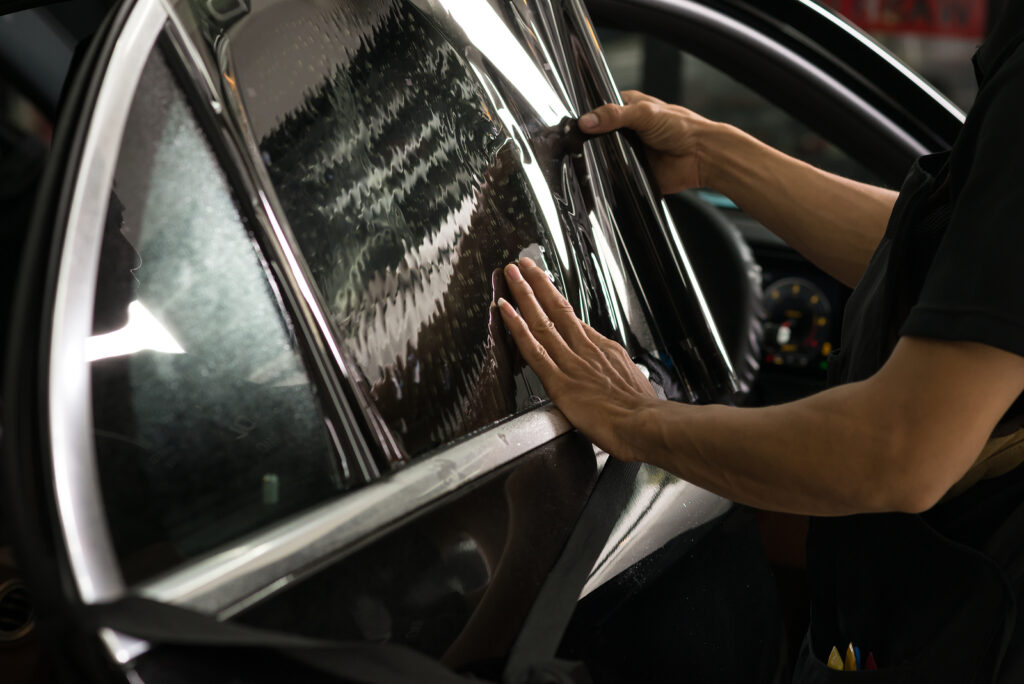
Advanced nano-ceramic technology provides a cooler and more comfortable driving experience with a signal-friendly design.

Non-Reflective

NR films, utilizing dyed film technology, provide privacy, UV protection, signal compatibility, and moderate heat control benefits.

High Performance

HP films leverage metalized technology for solar heat reflection, offering all NR film benefits plus enhanced heat control.

WINDOW TINTING PHOENIX AZ

OUR PROCESS

Our fully-equipped automotive facility in Arizona offers quick and reliable service for both everyday drivers and car enthusiasts, featuring an easy consultation and booking process to get you back on the road swiftly.

Give Us A Call

If you have any questions or would like to speak with us directly, please don’t hesitate to give us a call at (602) -363-6165​.

Request Schedule

Schedule your vehicle service with us today! Our expert installers are ready to assist you with all of your automotive needs.

Let's Get Started

Get your vehicle services done efficiently and conveniently with AZ Window Services! If you’re looking for window tinting in Phoenix AZ, ceramic coating, or paint protection film service, let’s get started today!

READ OUR REVIEWS

GOOGLE

“Having been a repeat customer, I’m extremely satisfied with the automotive window tinting services in Phoenix AZ provided for all 3 of my vehicles. The customer service and quality of products used are unparalleled. They’ve secured a lifelong customer in me.”

FACEBOOK

“Absolutely love this place! It’s a one-stop shop for decals, tinting, and more. They’ve worked on buildings for me as well as my personal truck. Both the service and product quality are unbeatable!”

YELP

“The best window tinting company in Phoenix, AZ. Jena responded quickly and provided a prompt quote. The pricing was also very fair.”

AZWINDOWSERVICES

MEMBERS

OUR TEAM

Max Risi

Add Your Heading Text Here

MD
Max Risi

Add Your Heading Text Here

MD
Max Risi

Add Your Heading Text Here

MD
Max Risi

Add Your Heading Text Here

MD
Max Risi

Add Your Heading Text Here

MD
Max Risi

Add Your Heading Text Here

MD
Max Risi

Add Your Heading Text Here

MD
Max Risi

Add Your Heading Text Here

MD
Max Risi

Add Your Heading Text Here

MD
Max Risi

Add Your Heading Text Here

MD

Industry Innovator

An industry innovator is an individual or company introducing breakthrough technologies, products, or services that disrupt existing norms and drive transformative changes beneficial to society. In the rapidly evolving business environment, achieving this status is challenging but offers significant rewards.

NEWS & INFO

BLOGS

Window Cleaning
Singh

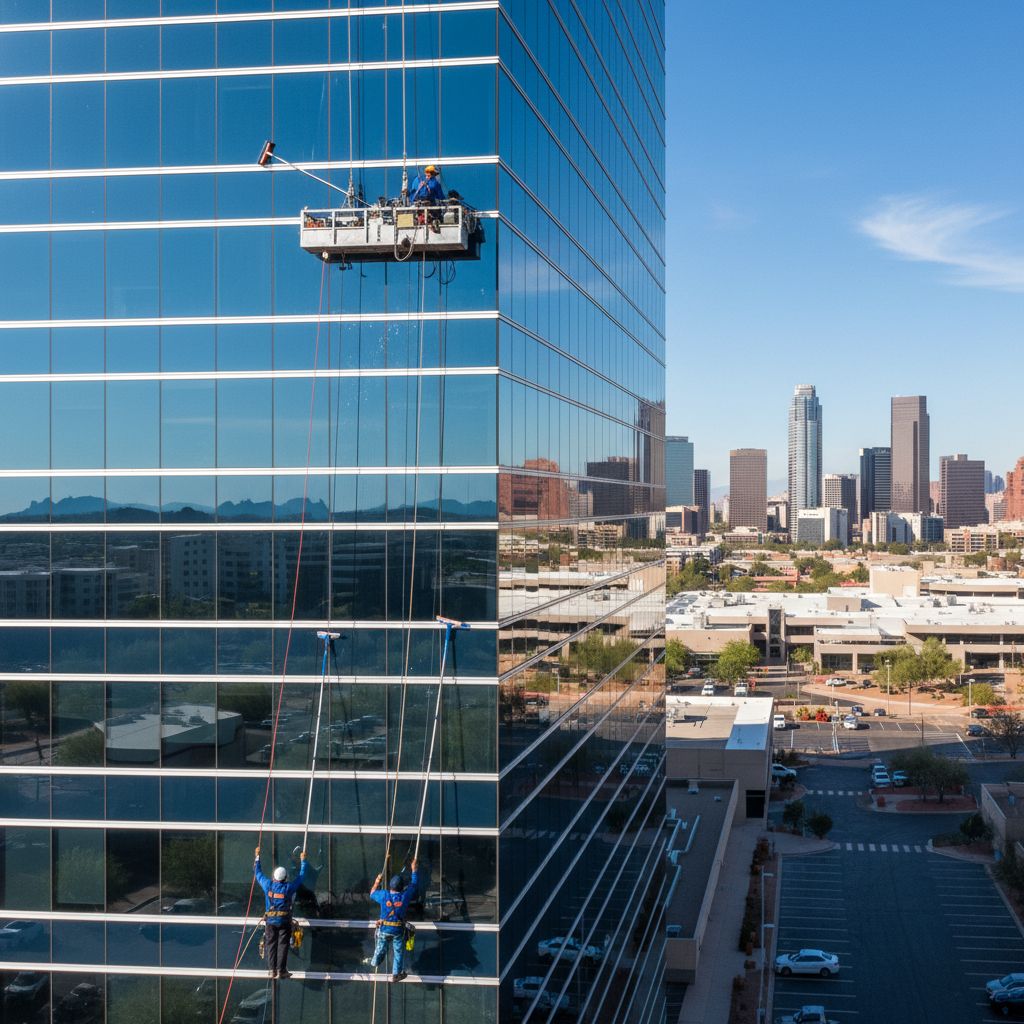
Window Washing Tips For Superior Homes – Extend The Life Of Your Windows Naturally

There’s a science to effective window washing that helps you protect finishes, reduce weathering, and prolong lifespan without harsh chemicals. Use soft, non-abrasive tools, squeegee with overlapping strokes, choose mild, pH-neutral cleaners or a vinegar-water solution, wash on overcast days to avoid streaking, and inspect seals and frames for wear while cleaning so you can address issues early. The Importance of Window Washing If you let grime and mineral deposits build, glass clarity and seal integrity suffer; cleaning every 3-6 months (monthly on coastal or high-pollution homes) prevents hard-water etching and reduces abrasive grit that scratches panes. Professional inspections during washes also spot seal failure, frame rot, or weatherstripping issues early, helping you avoid costly repairs and preserving daylight, thermal performance, and the aesthetic value of your property. Benefits of Clean Windows Cleaner windows deliver sharper views, noticeably more daylight, and lower interior dust and allergen loads, so you and your guests experience brighter, healthier rooms. You’ll also gain improved curb appeal for showings and photos; maintenance technicians report that removing grit regularly prevents micro-scratches and extends the life of seals and coatings, reducing long-term replacement expenses. Impact on Home Value Well-maintained windows influence first impressions and signal overall upkeep, which can affect buyer perception and negotiation leverage. You can boost listing photos and open-house appeal immediately with streak-free glass, while avoiding fogged insulated units helps you protect resale value by preventing visible defects that buyers and inspectors factor into offers. Before listing or appraisals, document a cleaning schedule and professional receipts to demonstrate upkeep; replacing a fogged insulated glass unit typically ranges from about $150-$800 per window depending on size and frame, so routine washing that delays seal failure preserves equity. You should also use regular cleanings to trigger minor repairs-recaulking or weatherstrip replacement-so small, inexpensive fixes don’t balloon into costly replacements. Natural Cleaning Solutions Practical blends of common household ingredients let you tackle glass stains without harsh chemicals; white vinegar (typically 5% acetic acid) dissolves mineral deposits while baking soda acts as a mild abrasive for stuck-on grime. You can use distilled water to avoid spotting in hard-water areas, apply solutions with a microfiber and squeegee for best results, and test a small corner on coated or tinted glass first to ensure no adverse effects. Vinegar and Water Mixture Mix 1 part distilled white vinegar with 1 part warm water for heavy soil, or dilute to 1:3 for routine cleaning; the acetic acid cuts mineral buildup and film effectively. Spray from top to bottom, wipe with a lint-free microfiber, then squeegee each panel-this method reduces streaking and dries faster in 20-30 minutes indoors. Avoid prolonged use on low-E or specialty-coated windows and always spot-test if coatings are present. Baking Soda Techniques Make a spreadable paste by adding water to baking soda and apply to stubborn spots like bird droppings, sap, or paint overspray-its pH-neutralizing, mildly abrasive action lifts residue without scratching when used gently. Use a soft sponge or old toothbrush for corners, work in short circular motions for 30-90 seconds, then rinse thoroughly to prevent residue. Test on an inconspicuous area before treating large surfaces. For more controlled results, wet the glass first, apply a thin layer of paste, let it sit 1-2 minutes on baked-on deposits, then scrub lightly and rinse with warm water; follow immediately with your vinegar solution and a squeegee to neutralize any leftover grit and produce a streak-free finish. Never use metal pads or harsh scrapers-those create micro-scratches that trap dirt and shorten window lifespan. Tools for Effective Window Washing As you assemble supplies, focus on durability and ergonomics: a 10-14 inch rubber-blade squeegee, a lint-free microfiber mop or sleeve, a telescoping pole rated to 15-20 ft, and a five-gallon bucket with grit guard. Professionals replace squeegee blades every 6-12 months, so track blade wear to maintain streak-free glass. Essential Equipment Select 10-14 inch squeegees for standard windows and 6-8 inch models for tight panes; use 300-400 GSM microfiber cloths for final buffing and a scrubber sleeve for soapy action. Include a 6-8 ft A-frame ladder for single-story work and a pole system for multi-story access, plus a spray bottle of distilled water for spot checks and a small scraper for paint or adhesive. Eco-Friendly Alternatives You can replace commercial detergents with a 1:10 white vinegar-to-water solution for routine cleaning and add 1 teaspoon of liquid castile soap per liter for greasy glass. Biodegradable enzyme cleaners target organic grime, while microfiber and squeegees reduce chemical reliance by mechanically removing dirt and oils. For practical application, mix 1 cup white vinegar with 10 cups warm water in a bucket, apply with a microfiber mop, squeegee top-to-bottom, then buff with a dry cloth to avoid streaks. For mineral deposits, apply full-strength vinegar on a microfiber pad for 1-2 minutes before gentle agitation and a clear-water rinse; always test on a small area to confirm compatibility. Step-by-Step Window Washing Process Quick Step-By-Step 1. Pre-rinse Spray low-pressure water to remove loose dirt and cobwebs; avoid pressure washers on sealed units. 2. Remove screens Take out and soak screens in a mild detergent mix (1 tbsp dish soap per 1 gal water) while you clean glass. 3. Apply solution Use a natural mix (1 cup white vinegar : 3 cups warm water; add 1 tsp dish soap for greasy panes). 4. Agitate Scrub with a microfiber pad or washer to lift deposits before squeegeeing-work in 2-3 ft sections on large panes. 5. Squeegee Use a 10-14 in squeegee; pull straight down or use an S-pattern, wiping the blade after each pass to avoid streaks. 6. Detail Dry edges and tracks with a lint-free cloth, brush out debris from tracks, and vacuum if needed for frames. 7. Final buff Polish with a dry microfiber or lint-free cloth; inspect from different angles to catch missed spots. Preparing Your Windows Before you start, remove screens and wet-soak them, vacuum tracks, and inspect seals for damage; work when temperatures are 50-70°F to prevent rapid drying, and protect nearby plants with

Read More »
Window Tinting
Singh

Home Window Tinting Vs. Window Treatments – Which Is Better For Pinal County Homes?

There’s a practical decision to make when you weigh home window tinting against traditional window treatments for Pinal County homes; this overview helps you assess energy savings, privacy, maintenance, sunlight control and cost so you can choose the best option for your climate and lifestyle. Overview of Home Window Tinting Given Pinal County’s long, intense sun exposure, you benefit from window films that cut UV by up to 99% and reduce solar heat gain 30-60% depending on film choice. Many homeowners see lower glare, longer-lasting furnishings, and film lifespans of 10-15 years; contractors typically match film type to orientation, glass size, and your privacy needs. Benefits of Window Tinting You gain measurable energy savings-often reducing cooling load by up to 10-15% in hot climates-alongside UV protection, glare control, and increased glass safety. In practical terms, tinting can extend carpet and upholstery life, protect artwork, and provide daytime privacy without heavy treatments; installers commonly combine VLT and solar rejection specs to meet your comfort and code requirements. Blocks up to 99% of UV rays, protecting skin and fabrics. Reduces interior solar heat gain by roughly 30-60% depending on film. Cuts glare significantly, improving screen visibility and comfort. Often lowers summer cooling energy use by up to 10-15% in sun-exposed rooms. After installation, you typically notice immediate temperature stabilization and glare reduction. Benefit Typical impact UV protection Up to 99% UV blocked Solar heat rejection ~30-60% reduction Glare reduction 50-90% depending on VLT Energy savings Cooling bills down ~10-15% Privacy Variable by film darkness/VLT Types of Window Tinting You’ll encounter five main categories: dyed (budget privacy), metalized (reflective/heat control), hybrid (dyed + metal mix), ceramic (high-performance, non-metal), and safety/security films that add shatter resistance; each varies by visible light transmission (VLT), heat rejection, and interference with electronics. Ceramic films often deliver the best balance for Pinal County: they reject high amounts of IR and heat without radio interference and maintain clearer optics. For example, a ceramic 20% VLT film can drop interior surface temperatures several degrees and still allow natural daylight. Conversely, dyed films cost less but may fade over 5-10 years; metalized films offer strong solar rejection but can affect signals, so choose based on which rooms you prioritize-south- and west-facing glass usually benefit most. Dyed: low cost, good for privacy and glare reduction. Metalized: strong reflectivity and heat rejection, may affect signals. Hybrid: balances cost and performance for common rooms. Ceramic: top-tier heat/IR rejection with minimal interference. After choosing a type, match VLT and warranty to your specific windows and orientation. Type Best use Dyed Budget privacy, moderate glare control Metalized Maximum reflectivity, strong heat control Hybrid Balanced performance and cost Ceramic High performance, no RF interference Safety/Security Shatter resistance and added protection Overview of Window Treatments You’ll find window treatments range from fabric draperies and cellular shades to wood shutters and solar screens, each offering different thermal, light, and privacy control. In Pinal County’s hot summers (average highs near 100-105°F), well-chosen treatments can cut solar heat gain 30-60% and reduce cooling costs by roughly 10-20%. You can also pair treatments with tinting for year-round comfort and measurable energy savings. Benefits of Window Treatments You gain precise light control, increased privacy, and UV protection – many fabrics block up to 99% of UV rays – while improving comfort. Treatments can reduce glare for workspaces and lower HVAC load, especially when combined with reflective linings or layered systems. You also get design flexibility to match interior aesthetics without compromising performance. Energy savings: cut cooling costs ~10-20% UV protection: many liners block up to 99% of UV Glare control: adjustable slats or blackout liners for media rooms Privacy and style: customize fabrics and hardware to suit rooms Any installation can be scaled to room size, performance needs, and budget Energy Savings Reduces solar heat gain 30-60% UV Protection Fabrics/liners block up to 99% UV Light Control From sheer to blackout options Privacy Adjustable slats or full coverage Insulation Cellular shades add measurable R-value Types of Window Treatments You can choose blinds, roller and cellular shades, roman shades, draperies, shutters, or solar screens depending on performance and style. Cellular (honeycomb) shades improve insulation for cooler nights, while solar screens and reflective roller shades excel at daytime heat control, blocking 60-80% of solar gain. Shutters and heavy drapes add durability and sound dampening for busy streets. If you prioritize daytime heat reduction, solar screens and reflective roller shades typically deliver the best solar heat gain coefficients, often lowering gain 60-80% in direct sun. Alternatively, layered systems-cellular shade plus drapery-can cut seasonal HVAC use by 10-15% in mixed climates. You should also note maintenance: vinyl and aluminum screens are low-maintenance, while natural-wood shutters need periodic sealing in dry Arizona air. Blinds: adjustable light control, good for bedrooms and offices Cellular shades: insulation benefits, ideal for energy savings Solar screens/roller shades: best for daytime heat reduction Shutters/drapes: durable, add sound dampening and privacy Any combination can be tailored room-by-room to balance light, heat, and style Blinds Adjustable light, moderate insulation Cellular Shades Improves R-value; good for insulation Roller/Solar Shades Blocks 60-80% solar gain; low profile Shutters Durable, adds resale value and privacy Draperies Design flexibility; liners add blackout/UV protection Factors to Consider for Pinal County Homes Pinal County’s desert sun, seasonal storms and HOA rules should shape your choice: quantify glass area, orientation and nearby shading, compare upfront costs versus 5-25% summer cooling savings, and weigh privacy needs against preserving views; window films can cut solar heat gain up to 70% and block >99% UV, while treatments like cellular shades add insulation and light control. Thou, balance long‑term energy savings with aesthetics and maintenance when deciding between tint and treatments. Sun exposure and glass orientation Budget, payback period and installation cost Privacy, view retention and HOA restrictions Climate Considerations Pinal County averages 300+ sunny days and summer highs frequently over 100°F, so you must prioritize solar heat control and UV protection; films that reject up to 70% of solar heat and block >99% UV reduce

Read More »
Window Tinting
Singh

The Ultimate Maintenance Routine – Combine Residential Window Tint And Regular Washing For A Perfect View

Window tinting paired with regular, gentle washing ensures your panes deliver optimal clarity, energy efficiency and UV protection; you can extend tint life and prevent staining by adopting a simple routine: use pH-neutral cleaners, soft microfiber cloths, avoid abrasive tools, clean frames and sills, and inspect for bubbles or edge lifting so repairs are prompt. Understanding Residential Window Tint Benefits of Window Tinting You can block up to 99% of UV radiation and reduce solar heat gain by 10-30% depending on film and glass; that lowers fading of fabrics, cuts glare by as much as 80%, and can reduce cooling runtime in summer months. Many homeowners report energy savings of 10-25% annually on cooling when combined with proper shading. Consider how tinting increases privacy without heavy curtains, letting you keep daylight while protecting interiors and improving comfort throughout the day. Types of Window Tints You’ll find five common film families: dyed (cost-effective, VLT 20-70%), metalized (durable, strong heat reflection), ceramic (high heat/IR rejection with minimal interference), hybrid (dyed + metal layers for balance), and spectrally selective (blocks IR while preserving visible light). Manufacturers offer VLT options from about 5% to 70% so you can prioritize privacy, daylight, or heat control. Check examples: ceramic films often cost 2-3× more than dyed but last longer and perform better in heat rejection. Choose VLT based on room use: lower VLT for bedrooms, higher for living rooms. Factor in orientation-south- and west-facing windows benefit most from high heat rejection. Compare warranties: many ceramic films offer 10-15 years, basic dyed 5-7 years. Perceiving how the film affects natural light helps you pick the right visible light transmittance. Dyed Film Affordable, reduces glare, VLT 20-70%, modest heat rejection, lifespan ~5-7 years Metalized Film Reflective, strong heat rejection, can interfere with signals, durable, mid-range price Ceramic Film High IR/heat rejection (40-60%+), no signal interference, premium cost, long lifespan Hybrid Film Combines dyed and metal layers for balanced performance, mid-to-high cost, good aesthetics Spectrally Selective Targets IR/UV while keeping visible light, ideal for daylight rooms, typically premium pricing When deciding on between types, you should weigh upfront cost against lifetime performance: ceramic films can reduce peak indoor temperatures significantly and maintain visible clarity, while metalized options deliver strong reflectivity but might affect RF signals; dyed films are economical for glare control. For example, a 2,000 sq ft house in a hot climate switching to ceramic film saw AC runtime drop by about 15% in a one-year pilot. Match film choice to orientation, aesthetic goals, and budget. Confirm local regulations-some HOAs and municipalities limit exterior reflectivity or VLT levels. Plan for professional installation when covering large or high windows to avoid bubbles and ensure warranty compliance. Schedule cleaning with non-abrasive solutions; avoid ammonia-based products that can degrade adhesives. Perceiving the long-term cost-per-year helps you justify a higher initial investment for films that last longer and save more energy. Typical Cost Range $4-$12 per sq ft depending on film quality and labor VLT Options Ranges commonly 5%, 15%, 35%, 50%, 70% for different needs Warranty 5-15 years; check for manufacturer-backed lifetime options on premium films Expected Lifespan Dyed 5-7 yrs, Metalized 7-10 yrs, Ceramic 10-20+ yrs depending on climate Maintenance Tips Use soft cloths, mild soapy water; avoid sharp tools or ammonia cleaners Importance of Regular Window Washing When you keep your windows clean, you maintain optical clarity and the heat-rejection performance of your residential tint, while preventing abrasive grit and mineral deposits from embedding in the film edge. Regular washing reduces visible haze, improves daylighting and can cut the need for early film repairs; professional installers often cite cleaner panes as a top reason tints meet their expected 5-10 year lifespans. Frequency of Washing For most homes wash every 2-4 months; if you live on the coast, near heavy traffic, or by a construction site, monthly washing is wiser. After storms or pollen blooms you should rinse within 48-72 hours, and always wait at least 30 days after tint installation before the first clean to allow adhesive cure per manufacturer guidance. Techniques for Effective Washing Use a pH-neutral soap or a few drops of mild dish detergent in a gallon of water, soft microfiber cloths and a rubber squeegee; avoid ammonia-based cleaners and abrasive pads that can dull or lift film. Work top-to-bottom, dry edges with a lint-free towel, and never use metal blades on tinted panes. Begin by rinsing to remove loose grit, then apply your soap solution with a soft sponge, agitating gently around seams and sash tracks. Employ overlapping squeegee strokes and wipe the blade after each pass to prevent streaks; clean screens separately with a brush and let glass dry in shade to avoid rapid evaporation spots. If you encounter adhesive or paint, test a plastic scraper in a hidden spot and follow your film maker’s care sheet for approved solvents. Professional cleaners often use two buckets-clean and rinse-to keep solution contamination low. Combining Window Tint and Washing Pairing routine washing with quality tint preserves optical clarity and thermal performance. You should clean windows every 1-3 months-monthly in coastal or high-dust areas-to prevent salt and grime from compromising adhesive edges. Use ammonia-free cleaners and soft microfiber tools; avoid razor blades and abrasive scrubs that cause micro-scratches. Proper maintenance helps your tint sustain up to 99% UV blockage and the 10-30% solar heat reduction many films provide. Best Practices for Maintenance Start by waiting 30 days after installation so your tint adhesive cures before you perform vigorous cleaning. Use a pH-neutral or ammonia-free cleaner applied to a microfiber cloth, squeegee with soft rubber, and dry immediately to avoid streaking. You should inspect edges for lifting and wipe frames to remove trapped dirt; for high-exposure homes, deep clean quarterly and quick dusting monthly to prevent mineral buildup. Enhancing Longevity and Performance You should inspect seals and film edges every 6-12 months and arrange a professional review every 3-5 years to catch delamination early. Avoid pressure washers or keep the nozzle at least 2 feet away on

Read More »

Save 10% on Your Automotive Package Purchase

SERVICING IN AZ

CONVINIENT LOCATION

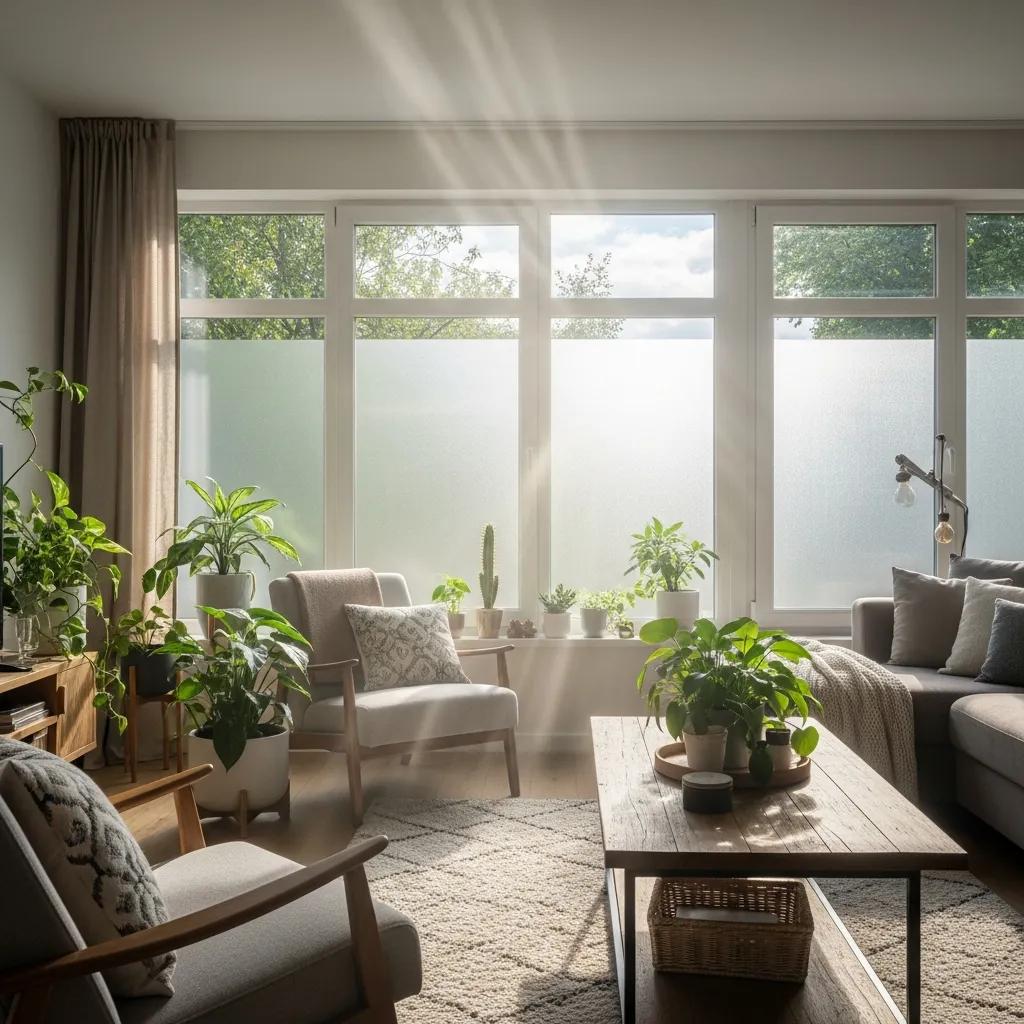
Our automotive window tinting service not only enhances your vehicle’s appearance but also protects against harmful UV rays, reduces interior heat and glare, improving your driving experience. Additionally, our commercial and residential film options provide privacy, security, and energy efficiency, making spaces more comfortable and cost-effective.

STAY CONNECTED

GET READY TO START? CONTACT US NOW!!!

    Elite Shine & Tint Pro

    First Name

    Last Name

    Email

    Phone

    REQUEST FREE QUOTE

    Enquire Now

    Name

    Nathaniel Gilkes

    Dynamic and results-driven leader with 18+ years of operations management, business development, and customer-centric leadership. I specialize in building inclusive, high-performing teams where people want to belong, grow, and succeed. My leadership style is flexible and adaptable, allowing me to engage effectively across all levels—from frontline teams to executive boardrooms, sales to operations, and technical experts to general managers.
    What drives me most? Leading exceptional teams, fostering innovation, and mentoring the next generation of leaders. I thrive in environments that challenge me to implement long-term solutions, scale operations, and drive strategic growth.

    Key Expertise & Accomplishments:

    When I’m not leading in the boardroom, you’ll find me leading in the fitness studio as a Les Mills instructor, inspiring others to fall in love with fitness. It’s not just about working out—it’s about empowering people to be their best selves.

    Maxwell Risi

    Maxwell Risi is the owner and founder of AZ Window services, a small family-owned company in the Phoenix valley.
    With a passion for delivering top-notch services and a commitment to customer satisfaction, I founded AZ Window Services with the vision of enhancing both the aesthetic appeal and functionality of residential and commercial properties through expert window solutions.
    With over 5 years of experience in the industry, I bring a wealth of knowledge and expertise to every project. Having honed my skills through years of hands-on experience, I understand the nuances of window tinting and cleaning, ensuring that each job is completed to the highest standards.

    At AZ Window Services, our mission is simple: to exceed our clients’ expectations with every service we provide. We believe in transparency, professionalism, and integrity, and strive to build lasting relationships with our customers based on trust and reliability. Thank you for choosing AZ Window Services for all your window needs. We look forward to serving you!

    fghdh