
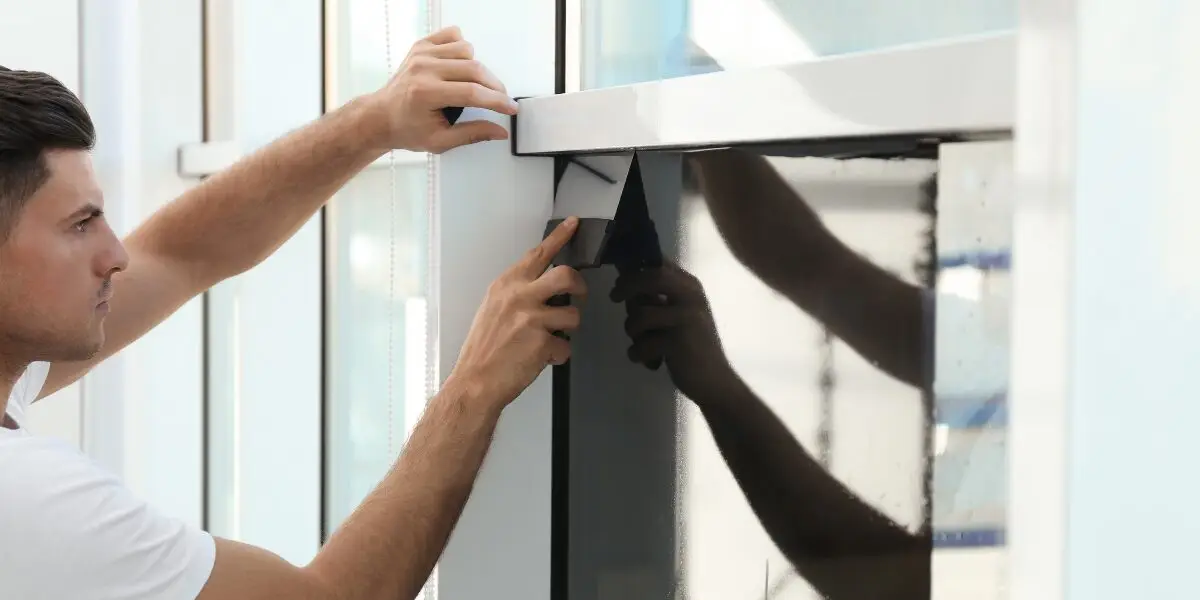
Window tinting is one of those upgrades that can make your home feel noticeably better—cooler rooms, less glare, and better protection from the sun—without changing the way your space looks or functions. But if you’ve never had residential window film installed before, it’s completely normal to wonder what the process is like.
Will installers need to move furniture? Will it be messy? How long will it take? What will the windows look like right after? And what should you do (or not do) once the film is installed?
Below is a clear walk-through of what happens before, during, and after a professional window tint installation in your home.
The Installation Experience in One Pass
Here’s the big picture. On installation day, we arrive, confirm the plan, protect your space, and work through your windows in a consistent, room-by-room process. The core stages include deep cleaning the glass, cutting and fitting the film, applying it carefully, smoothing it out, finishing the edges, and doing a final quality check.
Most homeowners are surprised by how “normal” the day feels. There’s no demolition, no loud equipment, and no major disruption. The biggest thing you’ll notice is that we take cleaning seriously, because a clean surface is what makes the finished result look smooth and professional.
After we’re finished, you’ll receive aftercare guidance. Your windows may look perfect immediately—or you may notice slight haziness, light streaks, or small moisture patterns at first. That’s part of curing and typically clears as the film settles.
Before We Arrive: Scheduling, Planning, and Simple Prep
A smooth installation starts before the appointment. Not because you need to “prepare the house” in a big way, but because a little planning helps us protect your time and deliver the best result.
The quote and game plan
During scheduling (or your quote), we confirm the essentials:
- Which windows are being tinted
- What you want to fix (heat, glare, UV exposure, daytime privacy, security, or a combination)
- Which film type matches that goal (solar film, decorative film, security film, or smart tint solutions)
- Any window-specific concerns (tall entry glass, French panes, old film, hard water spotting)
This is also when we clarify expectations. Window tinting isn’t one-size-fits-all—especially in Phoenix, where the sun is intense and different rooms heat up differently throughout the day. A quick conversation about your “problem windows” helps us recommend the right approach.
What you should do before the appointment
You don’t need to rearrange your whole home. A few simple steps are plenty:
- Clear a couple of feet around the windows where possible (small decor items, plants, or delicate pieces).
- Secure pets so they’re comfortable and out of active work areas.
- Let us know in advance if you suspect old tint is present or if windows are heavily soiled.
- Identify priority rooms—like west-facing living spaces or a home office—so we can tackle those early.
That’s it. The rest is on us.
Step-by-Step: What Happens During the Installation
Every professional installer has their own workflow, but a quality residential installation follows a reliable structure. Here’s how it typically looks with our team.
1) Walkthrough and protecting your space
We start with a short walkthrough. We confirm the window list, the film selection, and your goals. If any windows need special attention—like a high entryway pane, a tight corner, or a glass door with multiple small sections—we plan the order so the process stays efficient.
Then we protect your space. We keep tools tidy, use protective coverings as needed, and work carefully around sills, trim, and nearby surfaces. This is a detail-oriented service, and we treat your home with respect.
2) Deep cleaning the glass (the most important part)
Homeowners often underestimate how much of a window tint installation is “invisible work.” The truth is that the best-looking tint jobs are built on preparation.
Glass can hold dust, oils, pollen, residue from cleaners, and tiny debris you don’t notice until you’re looking at it through the film. Film doesn’t hide those imperfections—it can make them more noticeable if the glass isn’t properly cleaned.
This is why we take deep cleaning seriously. We clean the glass, the edges, and the surrounding area where the film needs to sit cleanly. This step is also where time can vary: a window that looks clean at a glance can still need extra prep to be truly film-ready.
3) Measuring and cutting the film to fit
Once the glass is ready, the film must be fit precisely to each pane. Residential windows aren’t always perfectly uniform, and every window has its own shape and edge details. Cutting and fitting the film correctly matters for both appearance and longevity.
This is also why specialty windows take longer. Arches, narrow sidelights, and multi-pane designs require more precision and more finishing work.
4) Applying a slip solution and positioning the film
Window film is typically installed using a controlled wet application method that helps the film slide into position and allows for clean alignment. This doesn’t mean your home is getting “soaked.” It’s a carefully managed process designed to create a smooth, even bond between the film and the glass.
The installer positions the film, aligns it, and prepares it for smoothing. This stage is calm but technical—small movements make a big difference, and we take the time to get it right.
5) Squeegee work: smoothing for a clean finish
This is the stage most people picture. The film is smoothed and pressed firmly so moisture is pushed out evenly and the surface becomes uniform. Done correctly, this process creates a clean, consistent look.
It’s normal for a small amount of moisture to remain during installation—especially near edges—because the film needs time to settle and cure. The goal is a professional finish that looks smooth and consistent as curing completes.
6) Trimming, edge finishing, and detail work
Edge work is where quality stands out. After the film is applied and smoothed, the edges are trimmed precisely and finished so they look clean and intentional.
This is also where we check for consistency across windows. We want the film to look uniform from room to room, especially in homes where multiple windows share the same wall and lighting.
7) Final walkthrough and aftercare guidance
Before we leave, we do a final quality check and walk you through what to expect next. You’ll get simple aftercare instructions, curing expectations, and guidance on when it’s safe to clean the interior glass.
We also explain what’s normal during the curing phase so you don’t feel caught off guard by temporary changes.
Installation Time vs Curing Time: The Biggest Misunderstanding
The installation appointment is usually measured in hours. The curing process is measured in days to weeks.
Installation time (the appointment)
Many residential window tint installations are completed within one working day. Some homes take just a few hours, while larger or more complex projects may take most of the day. The main factors that affect install time include the number of windows, total glass area, window complexity, access, and whether old film removal is needed.
Curing time (after we leave)
Even when the install looks perfect immediately, the film still needs time to fully settle. During curing, you may notice:
- A slight hazy or “milky” appearance
- Light streaking
- Small moisture patterns or tiny bubbles
These are commonly temporary and typically fade as the film cures. In Phoenix, curing often progresses well due to warm conditions, but the full process can still take one to two weeks depending on the film type and the environment.
What You Might Notice After Installation (What’s Normal)
It helps to know what’s normal so you can relax after installation.
Slight haze
A mild haze can be part of the curing process as remaining moisture evaporates. It usually improves over time and becomes clearer each day.
Small moisture pockets or tiny bubbles
Small “pockets” or bubbles can appear early on. Many of these are simply moisture patterns that shrink as the film cures. This is especially common when the sun hits the glass and curing accelerates.
Light streaking
You may see faint streaks that gradually fade. In most cases, they disappear as the film settles and the adhesive bonds fully.
What’s not normal
If you notice large, persistent bubbles that do not change over time, or visible lifting edges that remain after the curing period, that’s worth addressing. The right move is simple: contact your installer and describe what you’re seeing. A reputable installer will guide you on next steps and timing.
Aftercare: How to Protect Your Film in the First 7–30 Days
Aftercare is easy. The goal is to allow the film to cure properly and avoid anything that could disrupt the adhesive as it sets.
The first 48 hours
Try not to touch the film or press on the glass. The film is settling, and it’s best to let it cure undisturbed. Avoid cleaning the inside of the windows during this early window.
When can you clean tinted windows?
We’ll provide guidance based on the film installed, but generally you should wait until curing has progressed. Once it’s ready, use gentle cleaning practices:
- Soft microfiber cloth or a soft squeegee
- Non-abrasive cleaner
- Light pressure rather than scrubbing
Avoid abrasive pads or harsh tools that can scratch the film surface.
Long-term cleaning best practices
Once fully cured, most residential film is low-maintenance. Clean it gently like you would quality glass, and it will continue to look great while delivering comfort benefits.
Variables That Can Change the Process (and Timeline)
Even with the same film, two homes can have very different install experiences. Here are the variables that most often change the process.
Large or specialty windows
Big picture windows, wide sliders, and tall entryway glass involve more surface area and more finishing time. Specialty shapes like arches require additional precision.
Multi-pane doors and French panes
Many small panes in a door or window increase complexity. Each pane needs careful prep, alignment, and finishing.
Second-story or hard-to-reach glass
Safe access matters. Tall windows and stairwells may require additional setup and care, which can extend the timeline.
Old film removal
If existing tint needs to be removed first, it can add time because removal includes adhesive cleanup and re-prepping the glass to a film-ready standard.
Decorative layouts and security film
Decorative films with patterns, frosted bands, or custom designs may require additional alignment and layout steps. Security films can be thicker and require careful finishing.
The AZ Window Services Experience
AZ Window Services focuses on two things: comfort and customer experience.
We’re a local, family-owned business based in the Phoenix Valley, and we provide residential window tinting that’s designed to make your home feel better year-round. That means we take the time to understand what you’re trying to solve—heat that builds up in the afternoons, glare that makes a room hard to use, or UV exposure that fades your interior over time.
We offer solar film, decorative window film, security film, and smart tint solutions, and we install them with a clean process that respects your home. We also provide residential window cleaning services if you want a full “reset” for your view and your comfort.
We stand behind our work with a one-year guarantee on all labor. Manufacturer warranties depend on the film selected, and for smart tint solutions, the manufacturer warranty is two years, along with a one-year labor warranty.
If you’re ready to bring more comfort to your home, reach out and request a free quote. We’ll help you choose the right film, set clear expectations, and make the installation day feel simple.
FAQs: What To Expect During A Window Tint Installation
How long does a residential window tint installation take?
Most homes can be completed within a single working day. Smaller projects may take a few hours, while large or complex homes may take longer.
Is window film installed on the inside or outside of the glass?
Most residential window film is installed on the inside. Certain scenarios may call for exterior application depending on the glass and the product.
Will my windows look hazy or streaky after installation?
It can be normal to see mild haze or faint streaking during curing. This often improves as the film settles.
Are bubbles normal after window film installation?
Small moisture patterns or tiny bubbles can appear early and often shrink as the film cures. If something persists beyond the curing period, contact your installer.
How long does window film take to cure fully?
Curing often takes days to a couple of weeks, depending on conditions, sunlight exposure, and film type.
When can I clean my windows after tinting?
You should wait until the film has had time to cure. We’ll give you clear aftercare instructions for your film.
Do I need to remove curtains or blinds before installation?
You don’t always need to remove everything, but clearing access to the window area helps. We’ll advise you based on your window setup.
Does decorative or security film take longer to install?
It can. Decorative films may involve layout alignment, and security films can require extra finishing time due to thickness and edges.
What happens if I have old tint that needs removal first?
Old film removal can add time because it involves adhesive cleanup and re-prepping the glass for a clean finish.
What should I do if I see lifting edges or large bubbles?
Take note of the window and contact your installer. Many concerns are temporary during curing, but anything persistent should be reviewed.