
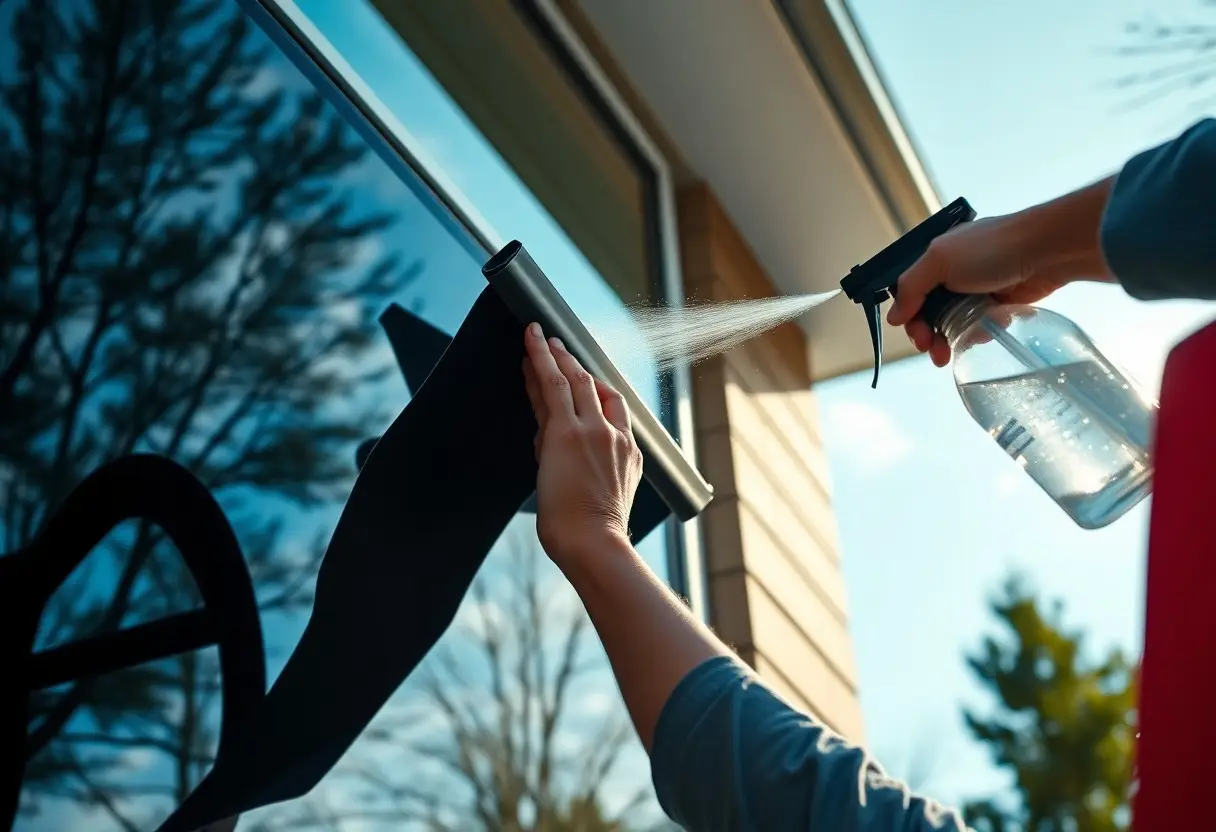
If you’ve lived through a Phoenix summer, you already know the feeling: the sun hits the glass, the room heats up fast, and your A/C works overtime just to keep things tolerable. Window tinting (also called window film) is one of the most effective ways to make a home or business feel cooler, reduce glare, and protect interiors from sun damage—without blocking the natural light and views you love.
So what does it cost in Phoenix, AZ? Most residential and commercial projects are priced by the square foot installed, and your final number depends heavily on the type of film, your glass size and layout, and the installation complexity. Below is a straightforward, Phoenix-specific pricing guide, plus what to expect during a quote and how to compare options confidently.
Quick Answer: Phoenix Window Tinting Costs at a Glance
In Phoenix, most residential and commercial window tinting falls in the $10–$20 per square foot installed range, depending on film type and performance. Some basic solar films can land lower, while high-performance ceramic and specialty safety or smart films can move higher.
A simple way to estimate is to multiply your approximate total glass square footage by your target range. For example, if you estimate 120 sq ft of glass across a portion of your home, you can roughly ballpark the project—then refine the number with a professional quote based on your goals and your exact windows.
Phoenix-specific note: because our climate is extreme, many homeowners and businesses choose higher-performance films designed to block heat without making your windows overly dark. That performance is often where the value is.
Window Tinting Cost in Phoenix by Film Type
Not all window film is the same. “Tinting” can mean anything from a basic heat-reduction film to decorative privacy film, safety/security film, or advanced smart film. Here’s how costs typically break down by category.
Solar / Heat-Blocking Film
Solar film is the go-to choice in Phoenix because it targets the most common problem: heat gain through glass. It’s designed to reduce heat, reduce glare, and block UV—helping rooms stay comfortable longer throughout the day.
Solar film price often depends on performance. Entry-level options may reduce discomfort, but higher-performance films can make a dramatic difference in west-facing rooms, open-concept layouts with large sliders, and homes with big picture windows.
Solar film is a great fit if you want:
-
Cooler rooms and more consistent indoor comfort
-
Less glare on screens
-
UV protection to reduce fading of floors, furniture, and artwork
Decorative / Privacy Film
Decorative film includes frosted looks, patterns, gradients, and custom designs. In homes, it’s popular for bathrooms, sidelights, front doors, and areas where you want privacy without curtains. In commercial spaces, it’s commonly used for conference rooms, glass partitions, and storefront design.
Costs here vary based on how detailed the design is and how much custom work is involved. A simple frosted application is typically more straightforward than a complex pattern or a custom logo layout. If you want a clean, modern look and privacy for glass offices, decorative film can be one of the best “visual upgrades” for the money.
Security Window Film
Security film is designed to strengthen glass and help contain shatter. It adds an invisible layer of strength that can help slow forced entry attempts and reduce the risk of dangerous shards if the glass breaks.
The price range for security film is influenced by:
-
The thickness of the film
-
The size of the panes being protected
-
The level of reinforcement desired for the application
Security film is especially popular for:
-
Ground-floor windows and doors
-
Storefronts and retail glass
-
Schools, offices, and high-traffic buildings
-
Properties where safety and peace of mind are priorities
Premium Ceramic / High-Performance Film
Ceramic film is often chosen when you want a high level of heat rejection without the “mirror” look or the darker appearance many people associate with tint. It’s also a great option when you want clearer visibility and a modern aesthetic.
Premium films typically cost more because they deliver a bigger performance upgrade, especially in Phoenix. If you love your views but want the heat to stop feeling like it’s pouring through the glass, this is where ceramic and other high-performance lines shine.
Ceramic is often a top pick for:
-
Homes with large glass panels and bright views
-
Offices where glare affects productivity
-
Customers who want comfort without changing the look dramatically
Smart Film / Smart Tint (Switchable)
Smart Tint (like iTint) is a different category entirely. It allows glass to switch from transparent to opaque instantly, giving you privacy on demand. It’s ideal for modern interiors that want flexibility without curtains or blinds.
Smart film typically has a higher per-square-foot cost because it involves advanced technology and components beyond standard film installation. It’s often used in:
-
Conference rooms and meeting spaces
-
Glass partitions in offices
-
Luxury home design features
-
Medical, professional, or privacy-sensitive spaces
If you’re considering smart film, it’s best to discuss your goals upfront so your quote accounts for the full scope of what you’re envisioning.
Residential vs Commercial Pricing in Phoenix
Both residential and commercial jobs are usually priced by square footage, but how projects are quoted can differ.
Residential: Why Home Quotes Can Vary So Much
Homes often include a mix of window sizes, shapes, and access levels. Even two houses with similar square footage can be priced differently if one has tall entryway glass, skylights, arches, or multi-pane French windows.
Residential quotes are often influenced by the variety of glass and the time needed to install film cleanly and precisely. The goal is a finished look that feels seamless, with careful edges and a professional fit.
Commercial: How Scale Can Improve the Rate
Commercial projects often have more consistent window types and larger amounts of glass. That can make installation more efficient and, in some cases, reduce the price per square foot compared to smaller or complex residential jobs.
Commercial goals are also more varied. Some businesses prioritize energy efficiency and comfort, while others want privacy, branding, or safety. The film solution should match the goal—and that affects pricing.
What Impacts Your Final Price in Phoenix? The Biggest Quote Drivers
Window tinting costs aren’t random. Your quote is shaped by a few predictable factors.
Total Glass Square Footage
This is the number one driver. If you want a quick estimate before getting a quote, measure each pane’s width and height (in feet), multiply them, and add them together.
If that sounds like a headache, don’t worry—most customers simply share photos and a window count, and we help confirm the exact measurements during the quote process.
Window Shape and Complexity
Arched windows, decorative grids, skylights, and very large panes can increase time and material needs. More complexity usually means more detailed cutting, fitting, and finishing work.
Accessibility and Height
Windows that require ladders, stairwell access, or difficult angles can add labor time. This is common in two-story homes, high entryways, and certain commercial storefront setups.
Film Performance and Finish
Higher-performance films typically cost more, but they also tend to deliver better comfort. The best film for your project depends on your priorities:
-
Maximum heat rejection
-
Minimal change in appearance
-
Glare reduction for screens
-
Privacy needs
-
Safety and glass reinforcement
Existing Film Removal
If old film is already on the windows, removal and prep can add time and cost. Proper removal matters because clean glass is essential for a smooth, long-lasting finish.
Warranty and Installation Standards
A professional installation isn’t just sticking film on glass. Quality work includes the right prep, clean finishing, and clear guidance on curing. At AZ Window Services, we provide a one-year guarantee on all labor, and manufacturer warranties depend on the film selected. For Smart Tint (iTint) and Smart Glass (iGlass), the manufacturer’s warranty is two years, along with a one-year labor warranty.
Phoenix ROI: Is Window Tinting Worth It?
For many Phoenix customers, the biggest return is comfort you feel every day.
Comfort That Changes the Way a Room Feels
Some rooms become “unusable” in late afternoon because the sun pours in and the heat spikes. The right film can make those rooms feel like part of your home again—especially west-facing spaces.
Glare Reduction for Work and Screens
If you work from home or manage a space with screens, glare is a real quality-of-life issue. Film can reduce harsh brightness so you can focus without constantly adjusting shades.
UV Protection to Reduce Fading
Phoenix sun can permanently fade flooring, rugs, furniture, and artwork. Window film helps protect your interior investment by blocking the vast majority of UV exposure.
Rebates and Incentives
Depending on where you are in the Valley, there may be utility rebates available for certain energy-saving film options. We can help you understand what applies and what’s worth pursuing based on your project.
How to Get an Accurate Quote (and Compare Options Correctly)
If you’ve ever collected multiple quotes and wondered why they vary, this is why: not every quote includes the same film type, performance level, or prep work. Here are the most important questions to ask.
Five quick questions to ask any installer:
-
What exact film category is included (solar, ceramic, decorative, security, smart)?
-
Is the price truly installed per square foot, or does it exclude prep/removal?
-
Is installation planned for the interior or exterior, and why?
-
What warranties apply—film warranty versus labor warranty?
-
What does the installer recommend for your goal (heat, glare, privacy, safety), and what trade-offs exist?
To get a fast estimate, it helps to share:
-
How many windows you want tinted
-
A few photos of the glass areas
-
Whether the windows are single-story or multi-story
-
Your top priority (heat reduction, glare, privacy, security, or style)
The AZ Window Services Approach
We’re a local, family-owned window tinting and window cleaning company based in the Phoenix Valley. Our goal is simple: bring comfort to the spaces you live, work, and play, and make the process feel easy from start to finish.
We offer solar film, decorative window film, security window film, and smart tint solutions—plus residential and commercial window cleaning. We’ll talk through what you’re trying to solve, recommend a film that fits your goals and your building, and give you clear pricing so you can make the right decision.
If you’re ready for a quote, reach out for a free estimate and we’ll help you find the best path for your home or business.
FAQs: Window Tinting Costs in Phoenix, AZ
How much is window tinting per square foot in Phoenix?
Most projects in Phoenix are commonly priced per square foot installed, with final cost depending on film type and complexity.
What’s the cheapest option to reduce heat?
Basic solar films are often the most cost-friendly starting point, but performance varies. The best value is typically the film that solves your specific comfort issue.
Is ceramic film worth it in Phoenix?
For many Phoenix homes and offices, ceramic is worth considering because it can deliver strong heat rejection while keeping the look clean and the view clear.
Is window film installed on the inside or outside?
Most residential and commercial film is installed on the interior side, but certain situations may call for exterior application, depending on the glass and conditions.
Will the newly installed window film bubble?
Some moisture haze or small bubbles can appear temporarily during curing. Proper curing time and conditions matter, and it typically resolves as the film sets.
Can window tint reduce glare on TVs and monitors?
Yes, glare reduction is one of the most noticeable comfort upgrades—especially in bright Phoenix rooms.
Does window film provide privacy at night?
Many films provide strong daytime privacy. Nighttime privacy depends on lighting—if it’s brighter inside than outside, silhouettes may still be visible.
How long does window film last in Phoenix?
Lifespan depends on film type, exposure, and installation quality. High-quality film and proper installation support long-term performance.
Can film be installed on dual-pane or Low-E windows?
It can, but the best film choice depends on the window type. This is where a professional recommendation matters to protect the glass and maximize results.
How long does installation take?
Timing depends on the number of windows, size, and complexity. Many residential projects can be completed efficiently once measurements and film selections are confirmed.