How Window Tinting In Pinal County Can Improve Energy Efficiency Year-Round
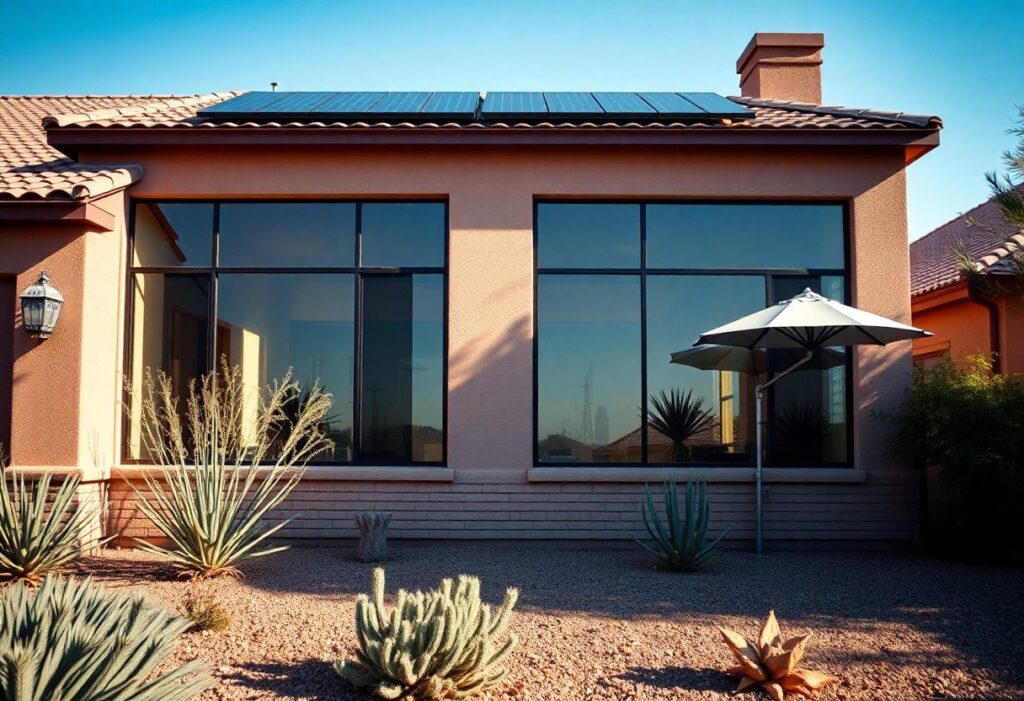
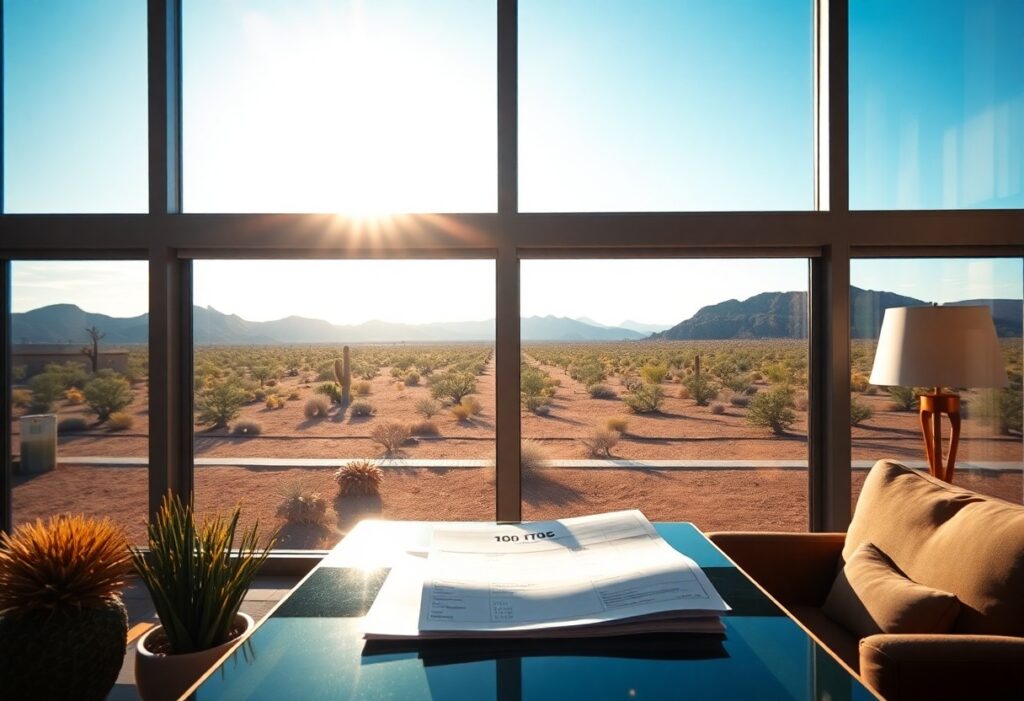
Many homeowners in Pinal County overlook the benefits of window tinting when it comes to enhancing energy efficiency. By applying window film to your windows, you can significantly reduce heat gain during the summer and retain warmth during the winter, lowering your energy bills year-round. This simple upgrade not only contributes to a more comfortable living environment but also extends the lifespan of your furniture and flooring by minimizing UV damage. Explore how investing in window tinting can transform your home’s energy efficiency and overall value. Understanding Window Tinting Overview of Window Tinting Window tinting involves applying a film to glass surfaces to reduce glare, heat, and UV radiation while enhancing privacy. It works by reflecting or absorbing sunlight, which decreases the amount of solar energy that enters your space. This not only keeps your interiors cooler but also contributes to lower energy costs throughout the year. Types of Window Tint Films Window tint films come in several types, each with unique properties and benefits. The most common varieties are dyed, metalized, ceramic, and hybrid films. Dyed films offer basic heat rejection, while metalized films reflect light for better insulation. Ceramic films feature advanced technology for superior performance without interference with electronic devices. Hybrid films combine the benefits of dyed and metalized films. Type Features Dyed Film Basic heat rejection, privacy enhancement Metalized Film Reflective, increased durability Ceramic Film High performance, non-reflective Hybrid Film Combines features of dyed and metalized Safety Film Enhances glass strength, holds shards Different tint films vary significantly in performance, longevity, and visual appeal. Dyed films are more affordable, while ceramic films can be costlier but offer superior heat rejection without altering the appearance of your windows. Metalized films enhance durability but may interfere with cell signals, which is important for certain environments. Hybrid options provide flexibility for specific needs. Dyed films are great for privacy. Metalized films are known for durability. Ceramic films provide excellent UV protection. Hybrid films balance price and performance. Perceiving the effectiveness of each type can guide your choice. Film Type Best Use Dyed Residential buildings needing privacy Metalized Automobiles requiring heat rejection Ceramic High-end properties wanting visibility Hybrid Versatile use across various structures Safety Commercial spaces needing security Energy Efficiency Benefits Window tinting significantly enhances energy efficiency by minimizing heat transfer, which leads to lower utility bills and a more comfortable living environment throughout the year. Summer Cooling Cost Reduction By applying window tinting, you can reduce the amount of solar heat entering your home, which directly cuts down on your air conditioning costs. Studies show that tints can decrease indoor temperatures by up to 15°F, resulting in energy savings of 30% or more during the sweltering summer months. Winter Heat Retention Window tinting also aids in retaining heat during colder months, ensuring your home remains warm and cozy. The reflective properties of window films help reflect interior heat back into your space, reducing reliance on heating systems and lowering your energy expenses. Specifically, window tints can block up to 50% of heat loss in winter, making a notable difference in your heating bills. This is particularly beneficial during the chilly nights in Pinal County, where maintaining a stable indoor temperature can lead to substantial financial savings over the heating season. Enhanced insulation from window tinting results in a more efficient heating system, as it minimizes the frequency and duration of heating cycles. Investing in quality window tinting will not only help in cold months but also improve overall home comfort year-round. Enhanced Comfort Levels Window tinting significantly enhances your comfort levels, making your living or working space more enjoyable regardless of the season. By regulating indoor temperatures more effectively, tinted windows help you avoid the extremes of both heat and cold. This means you can enjoy your home or office without constantly adjusting the thermostat, leading to a more inviting atmosphere throughout the year. Reduced Glare and UV Exposure Tinted windows minimize glare from the sun, allowing you to work or relax without straining your eyes. By blocking up to 99% of harmful UV rays, window film not only protects your skin but also preserves your furnishings, preventing fading and degradation over time. Improved Thermal Regulation With window tinting, you can achieve improved thermal regulation in your space. This means a consistent indoor temperature, helping your HVAC system operate more efficiently. By reducing solar heat gain during the hot months, your air conditioning doesn’t have to work as hard, which can lead to lower energy consumption and costs. Improved thermal regulation is particularly beneficial in Pinal County’s climate, where summer temperatures can soar. Tinted windows act as a barrier against heat, reflecting a significant portion of solar energy away from your space. In winter, they retain warmth by reducing heat loss, creating a balanced environment year-round. For example, studies have shown that homes with quality window films can see energy savings of up to 30%, allowing you to enjoy consistent comfort while financially benefiting from lower utility bills. Environmental Impact Window tinting not only benefits your home or office but also has a profound impact on the environment. By reducing energy consumption, you contribute to decreased carbon emissions and less reliance on non-renewable energy sources. Implementing window film effectively minimizes heat gain, which lowers the demand for air conditioning systems, all of which plays a part in fostering a healthier planet. Lower Energy Consumption By blocking a significant amount of solar heat, window tinting reduces the need for cooling systems, leading to lower energy consumption. This translates to decreased utility bills and less strain on power grids, especially during peak energy demand periods. You’ll notice a difference not just in comfort, but also in the savings on your energy expenses. Contribution to Sustainability Choosing window tinting is a proactive step towards sustainability. By minimizing energy usage, you play an imperative role in reducing greenhouse gas emissions. Each kilowatt hour saved contributes to a lower overall carbon footprint, making your lifestyle more eco-friendly. Consider that a typical household can