Author name: Singh

Blog

Pressure Washing Arizona: A Smart Way to Maintain Clean and Beautiful Properties

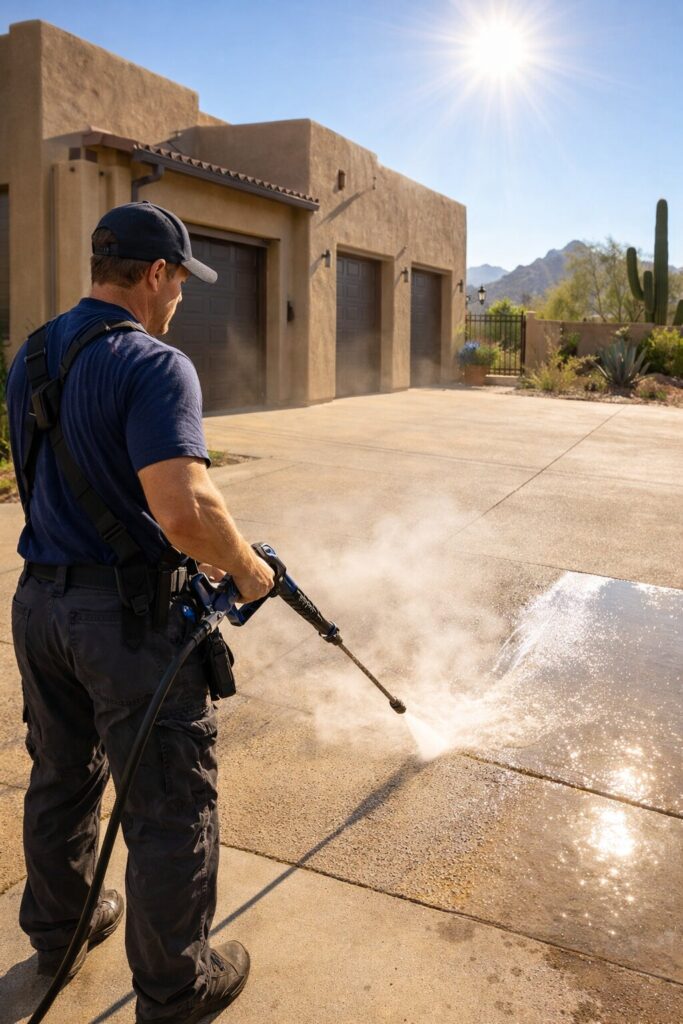
Arizona’s climate offers beautiful sunshine and warm weather throughout much of the year. However, the same environment that provides stunning desert landscapes also creates challenges for property maintenance. Dust, dirt, pollen, and environmental buildup can accumulate on exterior surfaces over time. Professional pressure washing helps property owners restore the clean appearance of their homes and businesses while protecting surfaces from long-term wear. Regular exterior maintenance is essential in desert environments. Surfaces such as driveways, patios, walls, roofs, and walkways can collect layers of debris that reduce curb appeal and make properties look older than they actually are. Professional pressure washing Arizona services provide an effective solution by removing stubborn dirt and restoring surfaces to a clean, refreshed condition. In this blog, we will explore why exterior cleaning is important in Arizona, how pressure washing benefits residential and commercial properties, and why choosing an experienced service provider makes a difference. Why Exterior Cleaning Is Important in Arizona Arizona’s dry climate produces large amounts of dust and airborne particles. Winds frequently carry these particles onto outdoor surfaces where they gradually accumulate. Over time, this buildup can affect the appearance of buildings, patios, and driveways. Outdoor living spaces are especially common in Arizona homes. Patios, pool decks, and walkways are frequently used for relaxing or entertaining guests. When these areas become covered with dust or stains, the overall look of the property can feel less inviting. Professional exterior cleaning removes accumulated debris and helps maintain the original appearance of surfaces. Clean outdoor areas not only look better but also create a more pleasant environment for homeowners, visitors, and customers. Benefits of Professional Pressure Washing Professional pressure washing offers a range of benefits beyond simple cleaning. One of the most noticeable advantages is improved curb appeal. Clean driveways, sidewalks, and building exteriors instantly enhance the overall appearance of a property. This is especially important for homeowners who take pride in maintaining their homes and for businesses that want to create a strong first impression. Another benefit is surface protection. Dirt, algae, and other contaminants can gradually affect building materials if left untreated. Removing these elements helps preserve the condition of surfaces and supports long-term property maintenance. Pressure washing also helps prepare surfaces for other improvements. Many property owners schedule cleaning before painting, sealing, or landscaping upgrades. A clean surface allows these projects to achieve better results. Additionally, professional cleaning improves safety. Slippery buildup on walkways or pool areas can create hazards. Removing these materials helps maintain safer outdoor spaces. Common Areas That Benefit from Pressure Washing Many different areas of a property can benefit from regular pressure washing. Driveways are one of the most frequently cleaned surfaces. Vehicles, oil spots, and environmental debris can leave stains that become difficult to remove with standard cleaning methods. Sidewalks and walkways also collect dust, dirt, and foot traffic marks. Professional pressure washing restores these surfaces and makes them look fresh again. Patios and outdoor living areas often require attention as well. Because these spaces are regularly used for gatherings and relaxation, keeping them clean helps maintain an inviting environment. Building exteriors are another important focus. Walls and siding can accumulate dirt over time, especially after dust storms or windy weather. Cleaning these surfaces helps maintain the overall appearance of the structure. Residential Pressure Washing Homeowners throughout Arizona rely on professional cleaning to maintain the beauty of their properties. Regular maintenance keeps outdoor areas looking attractive and prevents buildup from becoming more difficult to remove. Pressure washing is especially helpful before hosting outdoor gatherings or seasonal events. Clean patios, driveways, and walkways create a welcoming environment for guests. Many homeowners also include exterior cleaning as part of their seasonal property care routine. By scheduling service periodically, surfaces remain clean and well maintained throughout the year. Commercial Pressure Washing Businesses benefit greatly from maintaining clean exterior surfaces. Customers often form opinions about a company before entering the building, and the appearance of the property plays an important role in that first impression. Clean sidewalks, storefronts, and parking areas reflect professionalism and attention to detail. For retail spaces, restaurants, offices, and service locations, a well-maintained exterior supports a positive customer experience. Commercial pressure washing also helps businesses maintain compliance with cleanliness standards and maintain the overall appearance of their property. How Often Should Pressure Washing Be Done? The ideal cleaning schedule varies depending on location, property type, and environmental exposure. In areas with frequent dust or heavy foot traffic, more frequent cleaning may be beneficial. Residential properties often schedule service once or twice per year to maintain outdoor surfaces. Commercial properties may choose more regular maintenance to ensure their building exterior always reflects a professional image. A professional service provider can assess the property and recommend a schedule that supports long-term cleanliness and surface care. Why Choose AZ Window Services AZ Window Services provides professional exterior cleaning services designed to meet the needs of both residential and commercial clients in Arizona. Experience is one of the company’s strongest advantages. The team understands the unique environmental conditions found throughout Arizona and applies techniques that effectively remove desert dust, dirt, and buildup from outdoor surfaces. Reliability is another key benefit. Customers can expect dependable scheduling, careful attention to detail, and consistent service quality. Each project is handled with professionalism and respect for the property. Customer support is also a priority. AZ Window Services works closely with clients to understand their needs and provide solutions that deliver lasting results. From small residential jobs to larger commercial projects, the company focuses on providing value and maintaining high service standards. Using professional equipment and proven cleaning methods, the team ensures surfaces are cleaned effectively while maintaining their condition. Simple Tips to Maintain Clean Surfaces While professional pressure washing provides the most thorough results, a few simple habits can help maintain surfaces between service visits. Regularly sweeping patios and walkways helps prevent dust buildup. Checking irrigation systems to avoid overspray on driveways and walls can also reduce staining. Keeping outdoor areas free of debris such

Blog

Window Cleaning in Arizona: A Complete Guide to Clearer Views and Better Property Care

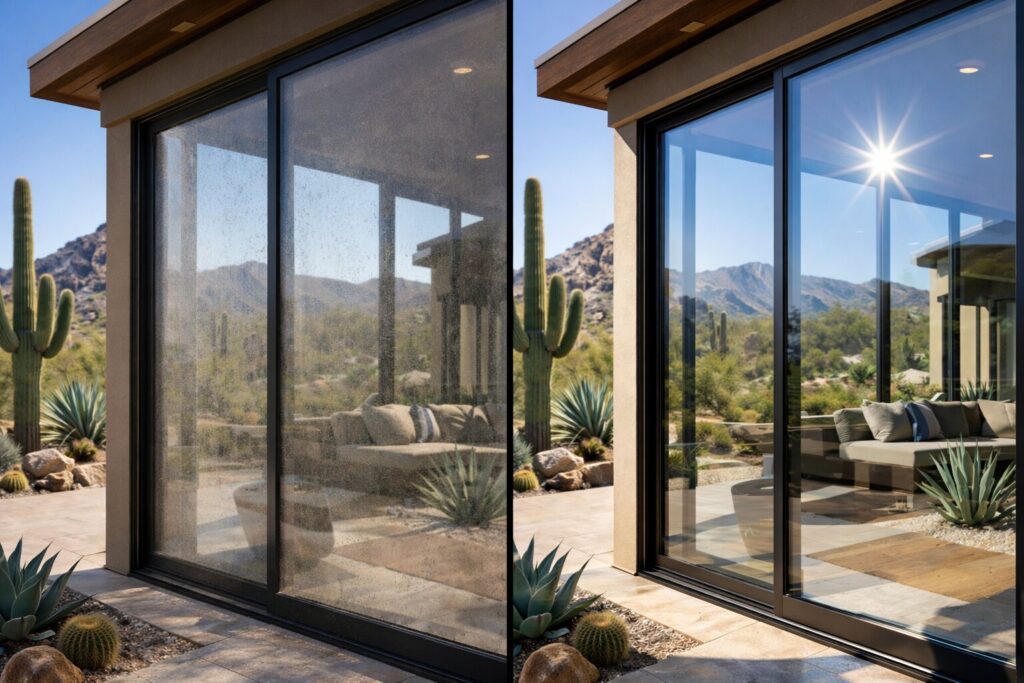
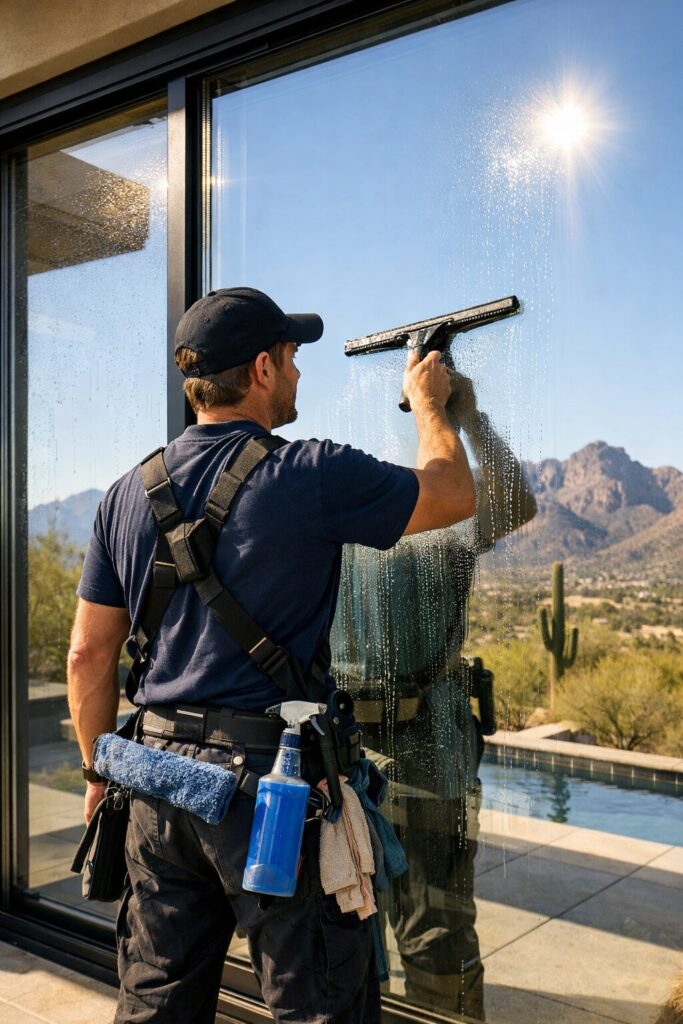
Clean windows can transform the way a home or business looks and feels. In a place like Arizona, where sunlight is abundant throughout the year, clear glass allows natural light to fill indoor spaces and highlight the beauty of the surrounding landscape. Dust, pollen, desert debris, and hard water spots can gradually build up on glass surfaces, making regular window care an important part of property maintenance. Many property owners focus on landscaping, painting, and interior improvements but overlook the impact of professionally maintained windows. Clean glass improves curb appeal, enhances indoor brightness, and contributes to a healthier environment. In this guide, we will explore the importance of professional window cleaning in Arizona, the benefits it provides, and how choosing the right service provider can make a lasting difference. Why Clean Windows Matter in Arizona’s Climate Arizona’s unique climate creates conditions that make regular glass maintenance especially important. Dust storms, desert winds, pollen, and mineral-rich water all contribute to residue on window surfaces. Over time, this buildup can make windows appear cloudy or dull. When dirt accumulates, it reduces the amount of natural light entering a space and can affect the overall appearance of a property. Maintaining clean glass helps preserve visibility, improve brightness, and maintain the aesthetic appeal of homes and commercial buildings. Sunlight is one of Arizona’s most valuable natural features. Properly maintained windows allow residents and business owners to enjoy that light without obstruction. Common Causes of Window Dirt and Streaks Understanding what causes window buildup can help property owners appreciate the value of professional maintenance. Desert dust is one of the most common contributors. Arizona’s dry environment means fine particles are constantly carried by wind, settling on glass surfaces. After even a mild storm or windy day, windows may accumulate a noticeable layer of dust. Hard water spots are another challenge. Many areas in Arizona have mineral-rich water, which can leave behind white or cloudy deposits after sprinklers or rain contact glass surfaces. Pollen and environmental residue also contribute to buildup during seasonal changes. Over time, these materials can form a thin film on windows that regular wiping may not fully remove. Benefits of Professional Window Maintenance Professional service provides advantages that go beyond simple appearance. When windows are maintained regularly, property owners enjoy both aesthetic and functional benefits. First, clear glass significantly improves natural lighting. Bright spaces feel more welcoming and comfortable, whether in a home, office, or retail environment. Second, regular maintenance helps preserve the condition of window materials. Dirt, mineral deposits, and debris can gradually affect the glass surface if left untreated for extended periods. Professional cleaning also improves safety and convenience. Many residential and commercial buildings have windows located in difficult or elevated areas. Experienced technicians have the tools and training needed to clean these areas efficiently while protecting surrounding surfaces. Finally, consistent care enhances property value. Clean windows contribute to a polished, well-maintained appearance that leaves a strong impression on guests, clients, and potential buyers. Residential Window Care: Enhancing Comfort and Beauty For homeowners, clear windows play a major role in creating a pleasant living environment. Natural light helps make interior spaces feel larger and more inviting. Clean glass allows sunlight to brighten rooms, highlight design elements, and create a fresh atmosphere throughout the home. Exterior appearance is another important factor. Sparkling windows complement landscaping, exterior paint, and architectural details. When windows are well maintained, the entire property looks more refined and cared for. Routine maintenance also makes future cleanings easier because dirt and residue do not have time to accumulate heavily on the glass surface. Commercial Window Maintenance: Supporting Professional Image Businesses across Arizona rely on their building appearance to create a strong first impression. For offices, retail stores, restaurants, and other commercial properties, clean windows communicate professionalism and attention to detail. Customers often notice the condition of a storefront or entrance before they even walk inside. Clear glass also improves natural lighting inside workspaces, which can enhance productivity and comfort for employees. Bright, well-lit environments tend to feel more welcoming and positive. Regular maintenance helps businesses maintain a polished image while protecting the long-term condition of their building materials. How Often Should Windows Be Cleaned in Arizona? The ideal maintenance schedule depends on several factors, including location, weather exposure, and property type. Homes in areas with frequent dust or nearby construction may benefit from more frequent cleaning. Commercial properties with high visibility often schedule service regularly to maintain a consistent appearance. Many property owners find that routine maintenance every few months keeps windows looking their best while preventing buildup from becoming difficult to remove. A professional service provider can recommend a schedule tailored to the specific needs of the property. Why Choose AZ Window Services Choosing the right company for window care is an important decision. AZ Window Services is dedicated to providing reliable, professional service for residential and commercial clients throughout Arizona. Experience is one of the company’s greatest strengths. With extensive knowledge of Arizona’s climate and environmental conditions, the team understands the challenges that affect windows in the region and applies techniques designed to address them effectively. Reliability is another key advantage. Customers can expect consistent service, attention to detail, and a commitment to maintaining high standards on every project. From the first consultation to the completion of the job, the company focuses on clear communication and dependable scheduling. Customer support is also central to the company’s approach. Every property has unique needs, and AZ Window Services works closely with clients to understand their priorities and provide solutions that match their goals. Professional equipment and proven methods ensure that glass surfaces are treated with care while delivering excellent results. The team’s goal is to help property owners maintain clean, bright windows that enhance both appearance and functionality. Maintaining Clear Windows Between Professional Visits While professional maintenance provides the most thorough results, property owners can take a few simple steps to keep windows looking better between service appointments. Checking for sprinkler overspray is helpful, especially in areas

window tinting
Window Tinting

Why Window Tinting and Professional Window Services Matter for Homes and Businesses

Windows play a crucial role in the comfort, energy efficiency, and appearance of any property. Whether you own a home, office, or commercial building, properly maintained and enhanced windows can dramatically improve the overall environment. From advanced tinting solutions to professional cleaning and glass protection, modern window services offer a range of benefits that go far beyond aesthetics. At AZ Window Services, homeowners and businesses can access specialized solutions designed to protect, upgrade, and maintain glass surfaces for long-term performance and comfort. Understanding Modern Window Services Modern window services include more than just cleaning. Today’s professional providers offer a complete range of glass enhancement solutions, including: Window tinting Decorative and privacy films Security window film Professional window cleaning Smart film technology Glass protection solutions These services help improve energy efficiency, increase privacy, enhance property aesthetics, and protect interiors from sun damage. Companies like AZ Window Services specialize in delivering these solutions for residential and commercial clients across the West Coast. Benefits of Window Tinting for Homes Window tinting has become one of the most popular upgrades for residential properties, particularly in sunny climates. 1. Improved Energy Efficiency Window films help reduce heat transfer through glass, allowing homeowners to maintain comfortable indoor temperatures. This reduces the strain on air conditioning systems and helps lower electricity bills. Solar window film can block a significant portion of heat entering through windows while still allowing natural light to pass through. 2. Protection From UV Rays Sunlight contains harmful ultraviolet rays that can damage furniture, flooring, and décor. High-quality window film can block up to 99% of UV rays, protecting interior surfaces from fading and long-term damage. 3. Enhanced Privacy Tinted or decorative films provide an additional layer of privacy without requiring heavy curtains or blinds. Many homeowners prefer window film because it allows natural light while preventing outsiders from seeing inside. 4. Reduced Glare Glare from direct sunlight can affect televisions, computer screens, and everyday activities. Window tint helps minimize glare and creates a more comfortable living environment. Window Tinting Benefits for Businesses Commercial buildings face different challenges than residential properties, including energy consumption, employee comfort, and customer experience. Lower Energy Costs Office buildings with large glass surfaces can absorb excessive heat. Window tinting helps regulate indoor temperatures, reducing cooling costs and improving energy efficiency. Increased Productivity Glare reduction improves visibility for employees working on computers and reduces eye strain during the day. Enhanced Building Appearance Decorative window films can add a modern look to offices, storefronts, and meeting rooms while maintaining a professional appearance. Improved Safety and Security Security window films strengthen glass and help hold shattered glass together during impact, providing additional protection against accidents or break-ins. The Importance of Professional Window Cleaning Clean windows improve both the appearance and functionality of a building. Over time, dust, pollution, water spots, and debris accumulate on glass surfaces. Professional window cleaning offers several benefits: Clearer views Improved natural light Extended lifespan of glass Removal of harmful contaminants For commercial buildings, clean windows also create a positive impression for visitors, clients, and customers. Smart Film Technology: The Future of Glass Smart film is an innovative technology that allows glass to switch from transparent to frosted instantly. This advanced film can be controlled by a switch or smart device. Common applications include: Conference rooms Office partitions Medical facilities Retail stores Luxury homes Smart film combines privacy, design flexibility, and energy efficiency, making it an increasingly popular option for modern buildings. Why Professional Installation Matters While DIY solutions exist, professional installation ensures the best results. Experienced technicians properly measure, cut, and apply films to prevent bubbles, peeling, or uneven coverage. Professional installation also provides: Long-lasting results Proper product selection Expert advice Warranty coverage High-quality finishing Companies with experienced technicians ensure that the installation process is smooth and efficient, delivering flawless results. Why Choose AZ Window Services Choosing the right service provider makes a significant difference in the performance and durability of window enhancements. AZ Window Services has built a strong reputation by delivering high-quality solutions for residential and commercial clients. The company focuses on improving comfort, privacy, and energy efficiency while maintaining excellent customer service. Key advantages include: Experienced window specialists High-quality window films Customized solutions for each project Professional installation Long-term customer support With more than a decade of industry expertise behind its team, the company continues to deliver premium glass protection and enhancement services. Final Thoughts Windows play a major role in the comfort, safety, and appearance of any property. Investing in professional window tinting, cleaning, and glass enhancement services provides long-term benefits for both residential and commercial spaces. Whether the goal is improving energy efficiency, enhancing privacy, or modernizing the look of a building, professional window services offer practical and cost-effective solutions. With the right provider and the right technology, your windows can become one of the most valuable features of your property.

Window Tinting

“Window Tinting Vs. Window Replacement – What’s Best For Phoenix Homeowners?”

There’s a clear choice between window tinting and full replacement for Phoenix homes, and you should weigh heat reduction, cost, longevity, and energy savings to decide which best fits your needs. The Impact of the Phoenix Climate on Residential Windows Phoenix summers accelerate glass wear and drive high heat transfer through windows, so you must weigh tinting versus replacement based on durability, long-term energy savings, and UV control. Mitigating Extreme Solar Heat Gain and UV Exposure Tinting reduces solar heat and UV infiltration, helping you keep interiors cooler and protect furnishings, but you should compare film performance, installation quality, and warranty against new glass advantages. How Intense Sunlight Affects Interior Cooling Costs Direct sunlight raises your cooling load and spikes energy bills during summer, making window performance a primary factor in HVAC runtime and monthly costs. When you choose low-e or spectrally selective coatings, or opt for full window replacement with insulated frames, you can lower solar heat gain 30-50%, reducing AC runtime; tinting offers faster payback but replacement improves airtightness, comfort, and resale value-factor your local utility rates and installation quality when deciding. Advantages of Professional Window Tinting Professional window tinting gives you long-term energy savings, strong UV protection, and added privacy without the higher cost of full window replacement. Immediate Heat Rejection and Glare Reduction Tinting rejects solar heat so you feel cooler and glare drops, improving comfort and screen visibility during harsh Phoenix afternoons and reducing HVAC strain. Protecting Interior Furnishings from Sun Damage Your furnishings stay vibrant longer because tint blocks harmful UV, preventing fading to upholstery, carpets, and artwork so you delay costly replacements. Blocking up to 99% of UV, high-quality films slow photochemical degradation, helping wood floors, fabrics, and finishes retain color and finish so you save on refinishing and replacement. Evaluating High-Performance Window Replacement High-performance windows give you measurable energy savings and superior UV blocking, cutting cooling bills in Phoenix while preserving interior finishes and improving daylighting without costly maintenance. Enhancing Thermal Insulation and Structural Integrity Upgrading to insulated frames and low-E glass lets you reduce heat transfer, lower HVAC runtime, and strengthen window assemblies so you feel fewer drafts and better indoor comfort year-round. Long-term Impact on Residential Property Value Investing in modern replacement windows raises your home’s energy score and curb appeal, often yielding higher offers and faster sales from buyers concerned about Phoenix cooling costs. You can recoup a sizable portion of replacement costs over time through lower utility bills, improved appraisals, and stronger buyer interest; factor in warranties, energy rebates, and expected lifespan when comparing ROI against tinting or other upgrades. Direct Comparison: Performance and ROI Compare how tinting cuts solar heat and lowers energy bills quickly while replacement windows deliver larger, longer-lasting efficiency gains; your ROI depends on current window condition, orientation, and how long you plan to stay. Window Tinting Window Replacement Lower upfront cost for you; faster payback in many Phoenix homes; reduces heat and glare; typical life 5-15 years. Higher initial investment for you; deeper long-term savings; improves insulation and resale; typical life 20-30+ years. Upfront Investment vs. Energy Savings Payback Period You can expect lower upfront costs with tinting and faster payback in many Phoenix homes, while replacements require higher capital but may save more over decades if you keep the house long-term. Lifespan and Maintenance Requirements of Each Option Expect tint films to last 5-15 years with occasional cleaning and possible spot repairs, while replacement windows typically last 20-30 years with minimal upkeep; you trade shorter lifespan for lower cost. Tinting needs only gentle cleaning with non-abrasive solutions and often carries a 5-10 year warranty, but you may see bubbling or edge wear under intense sun and will replace the film at lower cost; replacement windows provide sealed units, updated low‑E coatings, and renewed frames that cut drafts and service calls, so you pay more now yet get longer life, fewer repairs, and stronger resale appeal if your existing seals or frames are failing. Key Decision Factors for Phoenix Homeowners Factors such as heat reduction, UV protection, cost, lifespan, aesthetics, and frame condition determine whether you should tint or replace your windows. Heat control UV blocking Cost vs lifespan Frame integrity Perceiving these trade-offs helps you prioritize the right solution for your home. Assessing the Condition of Existing Window Frames Inspect frame material, seals, and sills for rot, warping, condensation, or gaps; if frames are compromised, tinting will only delay replacement and may not resolve leakage or structural issues. Identifying Specific Energy Efficiency Goals Define whether you want lower cooling bills, UV protection, glare reduction, or increased R-value; clear goals steer you toward film options or full window replacement based on measurable benefits. Consider measuring your current energy use and peak cooling hours, then compare U-factor, SHGC, and visible transmittance to align performance with those priorities; films cut immediate solar load while new low-e or double-pane units raise long-term R-value and can qualify for rebates. To wrap up You should choose tinting for immediate heat reduction and lower cost, while replacement fits damaged or inefficient windows that need better insulation and resale value; weigh upfront cost, energy savings, UV protection, and warranties with a trusted Phoenix installer.

window tinting installed on Arizona residential home
Blog

How Window Tinting Protects Arizona Homes from Extreme Heat and UV Damage

If you live in Arizona, you already know the sun isn’t just bright — it’s intense. Long summers, triple-digit temperatures, and constant UV exposure take a toll on homes across Phoenix, Scottsdale, Chandler, and surrounding areas. While most homeowners focus on air conditioning to stay comfortable, many overlook one of the biggest sources of indoor heat: their windows. Residential window tinting is one of the most practical upgrades Arizona homeowners can make to improve comfort, protect interiors, and reduce energy strain — without replacing their windows. Why Arizona Sunlight Is Different In many parts of the country, sunlight is seasonal. In Arizona, it’s year-round. Homes here experience: Prolonged direct sun exposure Higher UV intensity Extended cooling seasons Significant solar heat gain through glass Standard windows allow a large portion of that heat and UV radiation to enter your living space. Over time, this leads to hotter rooms, fading furniture, and increased air conditioning costs. The Hidden Cost of Untreated Windows Many homeowners don’t realize how much untreated glass affects indoor comfort. Common signs your windows may need tinting: Rooms that feel hotter than others Glare on TV or computer screens Furniture fading near windows AC running constantly during summer Warm glass surfaces in the afternoon If this sounds familiar, your windows are likely allowing excessive solar heat inside. How Residential Window Tinting Solves the Problem Window film works by filtering sunlight before it enters your home. Depending on the type of film selected, it can: Reflect solar heat away from the glass Absorb and disperse thermal energy Block up to 99% of harmful UV rays Reduce glare while maintaining visibility The result is a more balanced indoor environment — without closing blinds or darkening your space. Protecting Floors, Furniture, and Interior Finishes Arizona’s strong UV exposure doesn’t just warm your home — it slowly damages your interior. Over time, sunlight can fade: Hardwood floors Carpets and rugs Leather and fabric upholstery Cabinet finishes Artwork and décor High-quality window tint significantly reduces UV penetration, helping preserve your home’s appearance and long-term value. Improving Comfort Without Major Renovations Some homeowners consider replacing windows entirely. While new windows can improve performance, they come at a higher cost and require construction work. Window tinting enhances existing glass without structural changes. Installation is clean, efficient, and far less disruptive than window replacement. For many Arizona homeowners, it’s the most practical balance between cost and performance. Does Window Tinting Make a Difference in Energy Efficiency? Yes — especially in Arizona. When windows allow less heat inside, your air conditioning system doesn’t need to work as hard. This can lead to: Shorter cooling cycles Reduced strain on HVAC equipment More stable indoor temperatures Potential long-term energy savings While every home is different, reducing solar heat gain often improves overall cooling efficiency. Privacy Without Losing Natural Light Privacy is another reason many homeowners choose window tinting. Reflective and privacy films allow you to: Maintain clear outward views Increase daytime privacy Reduce the need for heavy curtains Keep interiors bright and open For homes in Scottsdale or Phoenix neighborhoods where houses are closer together, this can make a noticeable difference in comfort. Why Professional Installation Matters in Arizona Extreme heat affects materials differently than in milder climates. Film quality and installation technique directly impact performance and longevity. Professional installers ensure: Proper film selection for desert conditions Clean and precise application Bubble-free results Long-term adhesion under high temperatures AZ Window Services is a locally operated Arizona company experienced in installing residential and commercial window film throughout Phoenix, Scottsdale, Chandler, Gilbert, and nearby areas. Because the team works specifically in Arizona’s climate, film recommendations are based on real-world desert performance — not generic solutions. That local experience matters. How Long Does Window Tint Last in Arizona? When high-quality film is installed correctly, residential window tinting can last many years. Durability depends on: Sun exposure direction Glass type Film quality Installation standards Choosing experienced professionals ensures the materials used are designed for Arizona’s intense conditions. Is Window Tinting Worth It for Arizona Homeowners? For most homeowners, yes. Window tinting offers: Improved comfort UV protection Enhanced privacy Reduced glare Better cooling efficiency In a climate where managing heat is part of everyday life, window tinting is a smart and practical home improvement. Final Thoughts Arizona homes face unique environmental challenges. Intense sunlight and prolonged heat exposure make solar control essential for long-term comfort. Residential window tinting provides a balanced solution — preserving natural light while reducing unwanted heat and UV damage. For homeowners looking to improve comfort without major renovations, it’s one of the most effective upgrades available.

Window Tinting

Residential Window Tinting in Arizona: A Smart Upgrade for Comfort and Efficiency

Living in Arizona means sunshine almost every day of the year. While that natural light is beautiful, it also brings intense heat, glare, and UV exposure into your home. Over time, that heat raises energy bills and can slowly fade floors, furniture, and décor. That’s why many homeowners across Phoenix, Scottsdale, Chandler, and surrounding areas are turning to residential window tinting as a practical, long-term solution. At AZ Window Services, window tinting isn’t treated as just an add-on — it’s installed as a performance upgrade designed specifically for Arizona’s desert climate. Why Do Arizona Homes Need Window Tinting? If you’ve ever stood near a large window in July, you’ve felt it — the heat radiating through the glass. Standard windows allow a significant amount of solar heat inside, which makes your air conditioner work harder. Window tinting helps by: Reducing indoor heat buildup Minimizing glare on TVs and computer screens Blocking harmful UV rays Improving daytime privacy Making rooms feel more comfortable year-round Instead of closing blinds and darkening your home, tinting allows you to keep your natural light while controlling the heat. Does Window Tinting Actually Lower Energy Bills? In Arizona, it often does. When less solar heat enters your home, your AC doesn’t have to run as long or as often. That reduced strain can lead to noticeable improvements in cooling efficiency. While savings vary depending on home size and window exposure, many homeowners experience a more stable indoor temperature and lower monthly cooling costs — especially during peak summer months. Will Window Tinting Make My Home Too Dark? This is one of the most common questions. Modern window films are designed to reduce heat without turning your home into a cave. Many films are virtually clear while still blocking significant heat and UV rays. The goal isn’t to eliminate light — it’s to control the type of light entering your home. How Does Window Film Protect Interiors? Arizona sun is strong year-round. Over time, UV exposure can fade: Hardwood floors Upholstery Area rugs Cabinet finishes Artwork High-quality window films can block up to 99% of harmful UV rays, helping preserve your interior investments and maintain the look of your home for years to come. Is Window Tinting Better Than Replacing Windows? In many cases, yes. Full window replacement can be costly and disruptive. Window tinting enhances your existing glass without requiring major construction. For homeowners who want improved performance without remodeling, tinting offers a cost-effective alternative that delivers measurable comfort improvements. What Types of Window Films Are Available? Every home is different, which is why film selection matters. Common options include: Solar Control Films Designed to reduce heat and glare while keeping views clear. Reflective & Privacy Films Increase daytime privacy without heavy window coverings. Decorative Films Add style or privacy to bathrooms and entry areas. Safety & Security Films Help reinforce glass and reduce shattering risk. Smart Tint Solutions Electronically controlled glass that switches from clear to opaque for instant privacy. An experienced installer will evaluate your home’s sun exposure, window direction, and goals before recommending the right film. Why Professional Installation Makes a Difference Window tinting isn’t just about applying film — it’s about precision. Proper installation requires: Accurate measurements Clean surface preparation Careful alignment Climate-appropriate materials In Arizona’s extreme heat, installation quality directly affects how long the film lasts. Poor application can lead to bubbling or peeling over time. That’s why homeowners choose AZ Window Services, a locally operated Arizona company with experience working specifically in desert conditions. The team understands how heat affects materials and selects films rated for long-term performance in high-temperature environments. How Long Does Window Tinting Last in Arizona? When installed correctly using high-quality film, residential window tinting can last many years. Longevity depends on: Window orientation Sun intensity Film type Installation quality Choosing a company familiar with Arizona’s climate ensures the materials used are built to withstand prolonged heat exposure. Is Residential Window Tinting Worth It in Arizona? For most homeowners, absolutely. The benefits go beyond appearance. Tinting improves comfort, protects interiors, supports energy efficiency, and enhances privacy — all without major renovations. In a climate where heat management is a daily concern, window tinting is often considered one of the most practical home upgrades available. Why Homeowners Across Arizona Trust AZ Window Services Trust matters when choosing a contractor for your home. AZ Window Services serves homeowners throughout Phoenix, Scottsdale, Chandler, Gilbert, Tempe, and nearby communities. With experience in both residential and commercial projects, the company focuses on professional installation standards and solutions designed specifically for Arizona properties. Homeowners value: Local Arizona expertise Climate-aware recommendations Transparent consultations Professional installation practices Experience with advanced technologies like Smart Tint Understanding how desert heat impacts glass and film performance allows the team to recommend solutions that deliver lasting results. Final Thoughts Residential window tinting in Arizona isn’t just about aesthetics — it’s about comfort, protection, and efficiency. With the right film and proper installation, homeowners can enjoy natural light without excessive heat, reduce cooling strain, and protect their interiors from UV damage. For Arizona homes, it’s a smart, long-term upgrade that pays off in everyday comfort.

Window Tinting

Top Benefits Of Home Window Tinting In Pinal County – Comfort, Savings, And Style

There’s a practical path to greater comfort, energy savings, and upgraded curb appeal when you choose home window tinting in Pinal County; you reduce heat and glare, lower cooling bills, protect your furnishings from UV damage, and add privacy and contemporary style-resulting in a smarter, long-term investment that enhances your daily living while increasing property value. Enhanced Comfort By reducing solar heat gain you’ll feel steadier indoor temperatures even during Pinal County summers; high-performance films can cut solar heat entry by up to 70%, lower surface temperatures near windows by 10-20°F, and in local retrofits homeowners saw cooling energy fall 10-15%-so your AC cycles less and rooms stay comfortable without constant thermostat cranking. Temperature Regulation Your film selection directly changes SHGC and VLT: ceramic films can cut solar heat gain 50-70% and block up to 99% of UV, while metalized films reflect more light; depending on orientation and glass area you could lower indoor temps near windows by 5-15°F and trim cooling costs 10-25%-a 2,400 sq ft south-facing home often sees the biggest gains. Temperature Regulation Details Feature Typical Benefit / Example Solar heat gain reduction Up to 70% (ceramic films) UV protection Blocks up to 99% of UV Near-window temperature drop 5-15°F cooler surface temps Estimated cooling savings 10-25% lower summer cooling use (varies by home) Glare Reduction Glare control lets you use natural light without straining: certain films reduce reflected glare up to 80%, improving TV and monitor visibility and cutting eye fatigue, so you’ll avoid closing blinds and still get daylight-especially valuable in west- and south-facing rooms during late afternoons. Opt for a VLT in the 30-40% range to balance daylight and anti-glare; for example, a 35% VLT film often preserves views while significantly reducing screen reflections, and installers report many Pinal County homeowners reduced blind use by over 50% after tinting living-room and home-office windows. Energy Savings When you tint your windows in Pinal County, you cut direct solar heat gain-many films block 40-78% of solar energy and up to 99% of UV-so interior temperatures stay lower without overworking your AC. That reduction translates to measurable savings during long, hot summers, especially on west- and south-facing glass, where peak afternoon loads are highest and untreated windows can drive room temps several degrees above the thermostat setpoint. Lower Energy Bills You can expect cooling costs to drop because tinted glass reduces the amount of solar heat your HVAC must remove; homeowners often see 10-30% lower summer cooling bills. For example, if your summer electricity averages $200 monthly, a 15% reduction from window film would save about $30 a month. Targeted tinting on high-sun exposures yields the biggest ROI within one to three cooling seasons. HVAC Efficiency Tinting decreases peak loads so your system runs fewer hours and avoids short cycling; many homes report HVAC runtime drops of 15-25% during peak heat. That reduced duty cycle not only lowers energy use but also cuts compressor wear, which can delay costly repairs and extend effective equipment life. By lowering peak room temperatures by roughly 4-8°F on sunny afternoons, film reduces the BTU demand your compressor must meet-on a 3-ton (36,000 BTU) unit, shaving even 3,600-7,200 BTU at peak can meaningfully reduce cycle starts. Practically, that means fewer on/off cycles, steadier line pressure, and less frequent service calls, so you spend less on maintenance and preserve system efficiency reflected in real-world SEER performance. UV Protection By blocking up to 99% of UVA and UVB rays, quality window film helps you guard against sun-driven damage to skin and interiors in Pinal County’s high-UV environment. Films cut harmful radiation while preserving natural light and can reduce solar heat gain by 30-60% depending on the product, giving you measurable protection without darkening rooms excessively. Health Benefits Spending hours near windows increases cumulative UV exposure, which accelerates skin aging and harms eyes; many films block as much as 99% of UV, substantially lowering that risk. In areas where the UV index regularly exceeds 7 in summer, that reduction helps protect infants, people with photosensitivity, and anyone who works or relaxes near bright windows. Preservation of Interiors UV causes roughly 60-80% of textile and finish fading, and window film can slow that process-industry data show fading may be reduced by up to 70-80% with the right film. You’ll preserve carpets, upholstery, artwork, and wood finishes longer, especially on south- and west-facing exposures that receive the most intense sunlight. Choose neutral, low-reflective films when you want preservation without altering appearance; polyester multilayer films that block 99% of UV while keeping visible light high are ideal for galleries and living rooms. Installers commonly report homeowners delaying reupholstery or refinishing by 2-5 years after high-quality film installation, and manufacturers usually publish ASTM UV-blocking values and visible light transmission (VLT) so you can match performance to your priorities. Increased Privacy Window film gives you control over sightlines while preserving daylight: films range from very dark (around 5% VLT) to light tints (50-70% VLT), plus frosted options for full obscuration. Many homeowners in Pinal County choose 20-35% VLT on street-facing windows to block direct views from sidewalks and neighbors, yet still admit natural light and maintain curb appeal without adding blinds or curtains. Interior Visibility Daytime one-way privacy works when exterior light exceeds interior light, so you’ll see privacy during sunny afternoons but not always at night. For consistent results, select lower VLT ratings (5-20%) or frosted films for bathrooms; reflective films give daytime mirror effects while textured films hide shapes completely. Combine film choice with simple behaviors-dimming indoor lights after sunset-to keep interiors private from 10-30 feet away. Security Benefits Security film not only limits visibility but also helps hold glass together on impact, slowing forced entry and reducing flying shards. You can opt for thicker security films (commonly 7-14 mil) that, when professionally anchored to frames, delay break-ins long enough for alarms or police response to intervene. Many films also block up to 99% of UV, protecting interiors while improving safety. For maximum protection you should pair

Window Tinting

Why Every Homeowner In Maricopa Should Consider Residential Window Tinting

Tinting your windows in Maricopa reduces solar heat gain, lowers your cooling bills, and protects your furnishings from UV damage while improving privacy and daytime glare control. With local intense sun and seasonal temperature swings, you gain consistent interior comfort, extended HVAC life, and potential insurance or resale benefits. Choose professional residential films rated for heat rejection and optical clarity to maximize performance and maintain curb appeal. Benefits of Residential Window Tinting You’ll notice lower energy bills, reduced glare, enhanced privacy, and longer-lasting interiors after tinting; high-performance films can reduce solar heat gain by up to 70-80% and cut cooling costs roughly 10-30% in hot climates. Many homeowners report a marked improvement in room comfort and a measurable decline in HVAC runtime during summer peaks. Professional installations also preserve window clarity and add resale appeal without changing your home’s exterior appearance. Energy Efficiency In Maricopa’s intense summers, window film lowers indoor temperatures by 5-10°F in sun-exposed rooms, which translates to AC runtime reductions of 10-30% and a typical payback period of 3-5 years. Low-emissivity and spectrally selective films improve window performance by reflecting infrared while admitting visible light, so you keep daylight without the heat load that drives up your monthly electric bill. UV Protection You get laboratory-grade UV defense-many films block up to 99% of UVA and UVB rays-so carpets, artwork, wood floors, and upholstery fade far more slowly. That level of filtering reduces photodegradation that otherwise breaks down dyes and finishes, and it lowers your household UV exposure during prolonged sunlight through windows. Manufacturers and conservation studies show UV wavelengths under ~400 nm are the primary drivers of photodegradation; museums rely on similar UV-filtering glazing to protect exhibits. Applying residential film effectively replicates that protection at a fraction of retrofit glazing cost, extending the visual life of textiles and finishes by years and reducing replacement and restoration expenses over time. Enhancing Privacy and Security Beyond energy and glare control, window tinting provides measurable privacy and a first line of defense for your home. You can choose films with visible light transmission (VLT) as low as 5% for daytime screening, and many films block up to 99% of UV, protecting interiors while obscuring sightlines. In practice, thoughtful film selection for street-facing windows reduces opportunistic observation and adds a deterrent to casual break-ins. Reduced Visibility from Outside By opting for low-VLT (5-20%) or reflective films on ground-floor and street-facing windows, you significantly limit what passersby can see into your rooms during daylight. For example, a 5% VLT film creates a near-mirror exterior that makes activity inside unreadable from 10-20 feet, while still allowing you adequate daylight. Combine films with landscaping or privacy glass for 24-hour control. Shatter Resistance Security and safety films, typically 4-8 mil thick (with heavier options available), bond to the glass and hold fragments together when struck, reducing the risk of injurious shards and slowing forced entry. You’ll find these films used in commercial settings and increasingly in homes; a thicker film increases dwell time-measured in minutes-making smash-and-grab attempts less likely to succeed. Installation details matter: anchoring the film at the frame edge, choosing polyester laminates of 7-8 mil, and having a professional apply the adhesive layer all improve performance. You should still pair film with reinforced locks or sensors for layered security, and consider thicker, multi-layer films if you want certified impact ratings or to qualify for potential insurance benefits. Cost Savings and Return on Investment Lower Energy Bills You can cut cooling costs substantially with quality window film-most solar-control tints reduce solar heat gain by 50-79% and block up to 99% of UV, typically lowering summer energy bills 10-30%. In Maricopa’s climate that often translates to $200-$600 saved per year on AC for an average single-story home. Installation pays back fast: many homeowners recoup the cost in 2-5 years, while reduced HVAC runtime also extends equipment life. Increased Property Value You’ll find buyers value lower operating costs and protected interiors; energy-efficient upgrades like window tinting improve marketability and can shorten time on market. A conservative example: $300 yearly utility savings equals $3,000 over 10 years, which buyers factor into offers. Plus film preserves flooring, blinds and furnishings by blocking UV, effectively delaying replacement costs and making your listing more attractive to comparison-based pricing. Consider costs: whole-house professional tinting in Maricopa typically runs $600-$2,500 depending on window area and film grade; with annual savings of $200-$600 your upfront cost often pays back within 2-5 years. Appraisers and buyers increasingly note energy upgrades-combined savings plus preserved interiors often translate to stronger offers and less negotiation on price, especially when you can show utility bills and manufacturer warranties at listing. Aesthetic Improvements You can transform the look of your home without replacing glass by choosing window films that create a uniform, contemporary façade while blocking up to 99% of UV rays and rejecting as much as 70% of solar heat. Options range from nearly invisible low-profile films to reflective or frosted finishes, so you’ll protect furnishings, reduce glare, and tailor the exterior mood-modern, warm, or privacy-focused-at a fraction of the cost of new windows. Style and Design Options You’ll find visible light transmission (VLT) choices roughly from 5% to 70%, letting you balance daylight versus privacy; gray and bronze tints preserve natural color, mirrored films add a sleek reflective look, and decorative frosted or patterned films replicate etched glass for much less expense. For example, a 20% VLT neutral-gray film keeps daylight while cutting glare substantially, and decorative films achieve an upscale entry appearance without full glass replacement. Improved Curb Appeal You’ll boost curb appeal by creating consistent window tones across your façade-mirrored or gray films lend a modern, high-end look while frosted films enhance entry privacy. Tinting typically costs 50-80% less than wholesale glass replacement, so you can update appearance and energy performance affordably, making the home look updated to buyers and passersby without a major renovation. For more impact, pair tint choices with exterior finishes common in Maricopa: bronze or warm-tone films complement adobe and

Window Cleaning

A Complete Guide To Window Washing In Superior – Keep Your Glass Crystal Clear Year-Round

Over time your windows collect pollen, grime, and mineral deposits, and this guide shows you how to clean, maintain, and protect glass in Superior’s climate so you can keep views clear year-round; you’ll learn best tools, safe techniques for high and low windows, seasonal schedules, and stain-removal tips to preserve sealants and frames for long-lasting clarity. Types of Window Washing You’ll pick from methods like pure‑water systems, traditional squeegee work, reach‑and‑wash poles, pressure washing for masonry frames, or aerial/rope access for high rises; telescopic poles often extend 30-60 ft and squeegees commonly range 10-24 inches, while deionized water systems typically reduce TDS to single digits to prevent spotting. Pure‑Water (DI/RO) Deionized or reverse‑osmosis water rinses leave glass spot‑free; ideal for multi‑story via 30-60 ft poles and softens mineral films. Traditional Squeegee Hand technique for interiors and accessible exteriors; uses 10-24 in blades, microfiber wipes, and ammonia‑free cleaners for streak control. Reach‑and‑Wash Poles Water‑fed poles let you clean up to 3-5 stories without lifts; efficient for routine maintenance on storefronts and townhomes. Pressure/Soft Washing Low‑pressure soft washing removes grime on frames and adjacent masonry; avoids etching when kept below manufacturer‑recommended pressures. Aerial/Rope Access Used for high‑rise curtain walls; requires rope‑access technicians, pilot points, and NFPA/OSHA‑compliant anchoring for safety. Assess access, glass type, and frequency-residential jobs often need 1-4 visits per year, while commercial sites can be weekly to monthly. Factor in water quality, pole reach, and whether coatings or films demand specialty cleaners or abrasive removal methods. Assume that high‑rise work requires certified rope access, permit coordination, and anchor inspections before any cleaning begins. Residential vs. Commercial You’ll see residential work focus on aesthetics and gentle techniques-typical visits run $100-$400 for a house and involve patio doors, skylights, and screens; commercial contracts target storefronts, curtain walls, and large glass facades with scheduled maintenance (monthly or quarterly), higher liability coverage, and pricing that scales from a few hundred to several thousand dollars per project. Interior vs. Exterior You’ll clean interiors for streak‑free clarity using ammonia‑free cleaners and lint‑free cloths, paying attention to sills and window hardware; exteriors demand tougher methods for hard‑water stains, mineral deposits, and environmental grime, often requiring water‑fed poles, soft washing, or mechanical scraping on south‑facing windows exposed to road salt. When you plan a job, prep differs: interior work needs drop cloths, low‑VOC cleaners, and furniture move‑out, while exterior work depends on weather windows, scaffolding or lifts, and permits for sidewalk protection; technicians typically squeegee top‑to‑bottom with 1-2‑inch blade overlap and finish with a microfiber edge to eliminate edge beads and spots. Essential Tips for Effective Window Washing You should wash on overcast days to prevent rapid drying and streaks, work from top to bottom, and tackle frames and screens before the glass. Use a squeegee with 6-12 inch overlaps and keep a 15°-20° tilt to channel water off glass. Employ a ladder stabilizer for multi-story work and microfiber for finishing. Knowing how small adjustments-15° squeegee tilt, 6-inch overlap-reduce streaking and save time. Wash on cloudy days to avoid rapid drying Use 6-12 inch squeegee overlaps for even removal Clean frames and screens first, then glass Choosing the Right Tools You’ll want a squeegee between 10-18 inches for most residential panes and a pole that extends 4-24 feet for second-story access; professionals often use 3-6 m poles for homes and 10-20 m for taller buildings. Select microfiber towels (300-400 GSM) for edge detail and a scrubber with a replaceable sleeve for heavy grime. Use a stable ladder rated for your weight and a bucket with a grit guard to keep abrasive particles off the glass. Best Cleaning Solutions You can mix 1 part white vinegar to 10 parts water for everyday cleaning, add 1-2 drops of mild dish soap per gallon for greasy buildup, or use an ammonia-free commercial cleaner on coated or tinted glass. Distilled or deionized water prevents spotting when rinsing, especially if your tap water hardness exceeds 120 mg/L. Avoid ammonia on Low-E or tinted windows to protect coatings. For spot-free results, professionals use deionized (DI) water in water-fed poles to strip minerals-DI systems reduce total dissolved solids to near zero, eliminating mineral deposits that create spots. If your local water hardness is over 120 mg/L you’ll notice spotting after rinses; using DI water or a final rinse with distilled water prevents that and often removes the need for a final squeegee, saving you time on larger jobs. Step-by-Step Window Washing Process Step Action 1. Prep Remove screens, vacuum sills, lay a 3-4 ft drop cloth, and set tools (5‑gal bucket, scrubber, squeegee, microfiber) within arm’s reach; allow 10-20 minutes per elevation to stage safely. 2. Mix Solution Use warm water with 1-2 drops of mild dish soap per gallon or a commercial window mix; for hard water areas use distilled or deionized water to reduce mineral spots. 3. Scrub Wet the glass with the scrubber in 6-8 in overlapping passes from top to bottom, agitating dirt and softening deposits before squeegeeing. 4. Squeegee Hold blade at ~30° and pull in straight or reverse‑S strokes, overlapping 1-2 in per pass; wipe blade after each stroke to prevent streaks. 5. Detail Wipe edges and corners with a microfiber or cotton rag, use a razor at 45° only for paint or adhesive, and clean tracks with an old toothbrush. 6. Final Check Inspect from 3-6 ft for haze or streaks, buff small marks with a dry microfiber, and replace screens once frames are fully dry. Preparing Your Workspace Clear a 6-10 ft perimeter for ladders and place tools on a stable caddy; you should remove window treatments, set a 3-4 ft drop cloth, and position a second person or spotter for exterior work above one story to maintain safety and speed. Cleaning Techniques Start with warm, soapy water and scrub in overlapping 6-8 in passes, then squeegee at a 30° angle using 1-2 in overlaps; you’ll get best results using horizontal pulls on exteriors and vertical pulls inside so drips reveal missed areas for quick touchups.

Window Tinting

How Home Window Tinting In Pinal County Can Reduce Energy Costs And UV Damage

Most homeowners in Pinal County find that professional home window tinting significantly lowers cooling energy use and blocks up to 99% of harmful UV rays, so you save on electric bills while protecting furniture and skin; by reducing solar heat gain and glare, quality films help your HVAC run less and extend interior lifespan, and choosing the right tint for your windows ensures measurable energy savings and long-term UV protection for your home. Understanding Home Window Tinting What is Window Tinting? You apply a thin polyester film coated with metal, ceramic, or sputtered layers to your glass to control solar energy, reduce glare, and block UV; high-quality films can block up to 99% of UV and lower solar heat gain by as much as 50-70% depending on film type and orientation, helping your HVAC run less and your furnishings last longer. Reduces glare for clearer screens and tasks. Blocks UV to protect skin and fabrics. Knowing proper film selection can cut cooling costs by 10-30% in hot climates like Pinal County. UV Rejection Up to 99% Solar Heat Rejection ~40-70% (varies by film) Visible Light Transmission (VLT) 5%-70% options Lifespan 10-20 years with professional installation Installed Cost Approximately $3-8 per sq ft Types of Window Films You’ll encounter several categories: solar-control metalized films for low cost and strong heat rejection, ceramic films that offer high IR rejection with minimal reflectivity, low-e films that improve insulation in winter, safety/security films that hold glass on impact, and decorative films for privacy and style; each type delivers different energy and UV benefits-ceramics often perform best overall. Solar-control: strong heat and glare reduction. Safety/security: 4-8 mil or thicker to resist impacts. Knowing ceramic films can reduce solar heat gain by 40-70% while keeping window clarity high. Solar-control (Metalized) Good heat rejection, may reflect Ceramic High IR rejection, non-conductive Low-e Improves insulation, lowers U-factor Safety/Security Shatter-hold, 4-12 mil common Decorative/Privacy Frosted or patterned for style You should match film properties to window orientation and usage: south- and west-facing panes benefit most from high IR rejection films, east-facing gets glare control for mornings, and north-facing often needs only UV protection; installers often measure U-factor and SHGC change-projects in similar desert climates report 15-25% HVAC savings after whole-house upgrades with ceramic or low-e films. Choose high-IR ceramic for west-facing glass in Pinal County. Combine low-e on north windows to reduce winter heat loss. Knowing a full-house retrofit typically delivers faster payback than treating isolated rooms. Best Orientation South/West benefit most Typical HVAC Savings 10%-30% (whole-house) Common Film Thickness 1.5-12 mil Installation Time Average single-family: 4-8 hours Maintenance Gentle cleaning after 30 days Energy Efficiency Benefits Tinted windows reduce solar heat transmission, cutting peak cooling loads and smoothing indoor temperature swings. You can expect solar heat gain reductions in the range of about 50-90% depending on film type, which commonly translates to 10-30% lower cooling energy use in hot-summer areas like Pinal County where daytime highs often top 100°F. That reduces HVAC runtime, lowers compressor strain, and helps smaller systems maintain comfort with less cycling. Reducing Heat Gain By choosing films with low solar heat gain coefficient (SHGC) you block a large portion of infrared and visible solar energy before it enters rooms. Ceramic and spectrally selective films typically reject 60-80% of solar infrared while preserving daylight, so south- and west-facing glass stays significantly cooler; measured interior surface drops of 10-20°F during peak sun are common in field tests. Lowering Energy Bills Lower peak cooling demand produces measurable savings: many Arizona homes report 10-30% reductions in summer cooling consumption after film installation. With residential electricity around $0.12-$0.15 per kWh, that commonly equals roughly $150-$600 per year for average single-family homes, varying by home size, window area, and orientation. For a quick estimate, if your home uses 6,000 kWh for cooling annually, a 20% reduction saves 1,200 kWh; at $0.13/kWh that’s about $156/year. Typical installation costs range $300-$1,200 depending on window area and film quality, yielding payback periods commonly between 2-8 years; investing in higher-performance ceramic or spectrally selective films often shortens payback by delivering larger rejection rates and preserving daylight, improving long-term ROI. Protection from UV Damage Your windows let in far more than daylight; untreated glass allows ultraviolet radiation that fades upholstery, wood floors, and artwork while increasing skin aging and cancer risk. By installing quality window film you cut UV transmission dramatically, preserving interior finishes and lowering long-term replacement costs-especially important in Pinal County’s strong sun exposure where materials degrade faster than in cooler climates. Harmful Effects of UV Rays UVA penetrates glass and drives chronic damage like textile fading and photoaging, while UVB contributes to sunburn and DNA damage linked to skin cancer. You’ll notice colors dulling within months on south- and west-facing rooms; for example, fabrics near windows can lose vibrancy noticeably within 1-3 years without protection, shortening the life of expensive furniture and window treatments. How Tinting Mitigates Damage High-quality window films typically block up to 99% of UVA and UVB, so you get museum-level protection for everyday spaces. Applying film reduces UV exposure to occupants and slows material degradation-studies and product specs from major manufacturers show UV transmission below 1% for many architectural films, translating into measurable preservation of fabrics and finishes. Different technologies affect performance: dyed films are economical but less durable, metalized films add reflectivity and heat rejection, while ceramic films offer UV blocking without significant darkening and resist interference with electronics. You should match Visible Light Transmission (VLT) to room use-for living areas pick higher VLT for daylight, and for display cases or south windows choose low-UV/high-block films that preserve color and texture over decades. Installation Process Installation begins with precise measurements and a thorough glass cleaning, then moves to cutting the film to size, applying a slip solution, squeegeeing out bubbles, and trimming edges; professionals typically let films cure 24-72 hours. You’ll see immediate reductions in glare and, with higher-performance films, up to 99% UV block and roughly 60-78% total solar energy rejection, which helps lower peak

    Elite Shine & Tint Pro

    First Name

    Last Name

    Email

    Phone

    REQUEST FREE QUOTE